Press
Precision radiotherapy for prostate cancer to cut sessions from 20 to five
Images
1 / 8

2 / 8
3 / 8
4 / 8
5 / 8
6 / 8

7 / 8
8 / 8
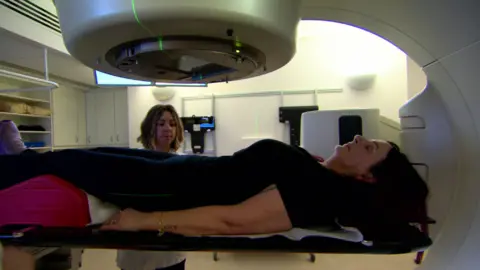
Thousands of men in England who have prostate cancer will be offered high-powered precision radiotherapy that will slash the number of treatment sessions they need from 20 to just five.

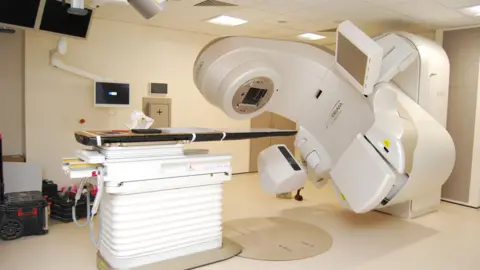
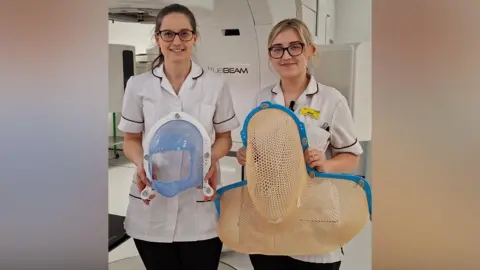
Senior doctors said the technique – called SABR (stereotactic ablative radiotherapy) - would target the disease more effectively than standard radiotherapy and help reduce side-effects.

The treatment is already offered to some patients with other types of cancer, including lung and brain.

This is the first time it will be offered to low- and intermediate-risk prostate cancer patients outside of trials.

Of the 55,000 men diagnosed with prostate cancer each year, around 17,500 are deemed low or intermediate risk.

Modelling suggests a fifth of those - around 3,500 - are likely to take up the option of this form of radiotherapy.

That is largely because some with low-risk prostate cancer opt instead for active monitoring, rather than immediate treatment, since these cancers are very slow growing and may not cause harm.

NHS England said it expected all 48 radiotherapy centres around the country to start offering the treatment "within weeks".

National clinical director for cancer Prof Peter Johnson said while the move would not benefit all prostate cancer patients, it was an important step.

"This technology lets us focus a powerful and precise beam of radiotherapy directly on to the cancer, limiting the damage to healthy cells," he said.

"And the fact it can be delivered in 15 fewer doses will help men get back to living their lives far more quickly."

Amy Rylance, of Prostate Cancer UK, said: "It's wonderful news that thousands of men in England will now have access to this revolutionary targeted radiotherapy.

"It will massively reducing the burden that cancer places on them, and their loved ones."

The charity is hopeful in the future the treatment will become available to even more prostate cancer patients.

Trials are already under way to see if the precision radiotherapy can be used on high-risk prostate cancer patients.

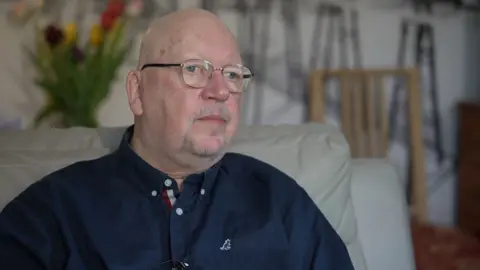
Edwin Lambert, 70, from Suffolk, is in one of the trials.

He was diagnosed with prostate cancer in January 2025 and began hormone therapy. He experienced side effects, including loss of libido, hot flushes, mood swings and fatigue.

He then had the new type of radiotherapy, targeting his prostate and surrounding lymph nodes, which he said was "easier to deal with".

He said while he was treated in hospital he saw men undergoing the traditional radiotherapy who looked "dreadful" in comparison because of the repeated bouts of treatment.

He said he experienced a more frequent need to urinate during and shortly after the precision radiotherapy, but within five weeks was taking part in an archaeological dig he had long been planning.

"This treatment was an absolute godsend," he added.

Northampton General Hospital is using a new state-of-the-art radiotherapy machine.

John Kiely says those needing radiotherapy in north Somerset have to make long journeys to Bristol.

A woman diagnosed with anal cancer has said Northern Ireland should have a clinic for patients who have had pelvic radiotherapy.

"I thought decorating it was a way to make something positive out of it," says
Juliette Beaumont.

Tim Morgan has been able to continue his treatment thanks to a new way of delivering treatment