huffpost Press
Donald Trump Faces A New Political Mess — And There's Little He Can Do To Stop It
Images
1 / 7
2 / 7
3 / 7

4 / 7

5 / 7

6 / 7

7 / 7
California cattle rancher Megan Brown recently sold a bull at auction. By the time the bidding was over, she got more than she’d paid for the same animal six years earlier — a spectacular return on a bull that produced a lot of calves for her while in his prime.

“It boggles my mind,” said Brown, a sixth-generation rancher north of Sacramento. “I don’t think that’s ever happened in the history of the ranch, because that’s a story we would pass down.”

Brown’s appreciating bull tells us a lot about the state of the beef market.

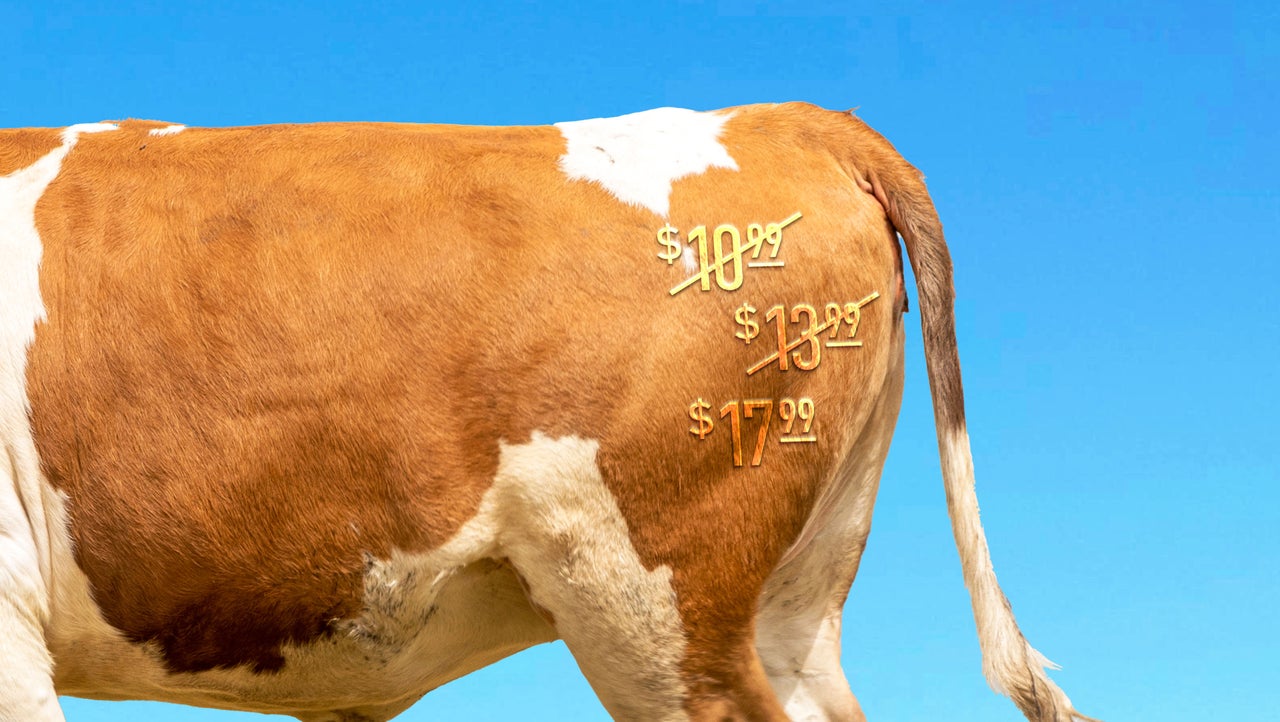
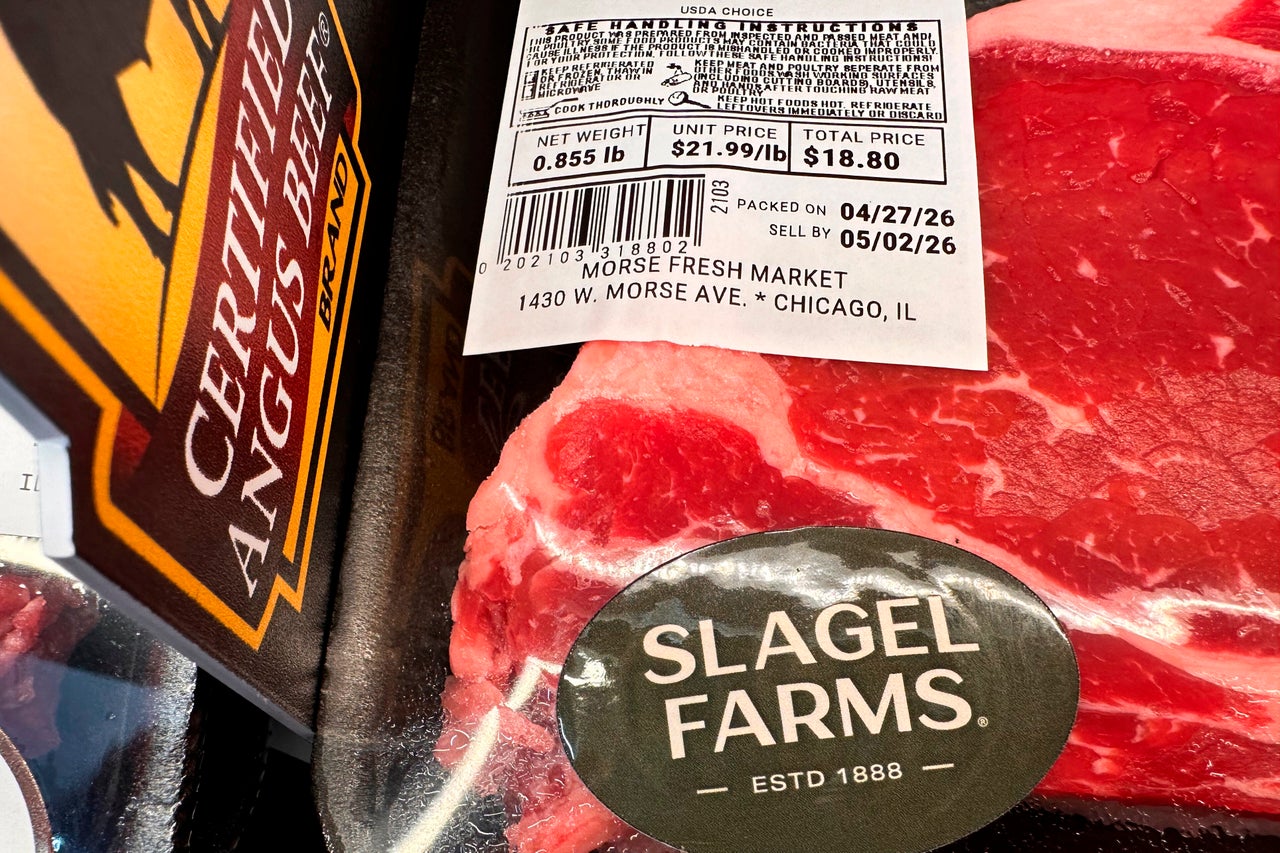
Retail beef prices are hovering near a record high. Last month, consumers paid on average a little over $7 per pound for ground beef, up 13% from a year earlier and 50% from five years earlier, according to the Bureau of Labor Statistics — far outpacing the general inflation rate. A decent ribeye steak from the grocery store now looks like a luxury, with prime cuts typically pushing beyond $20 per pound. Even some beloved Texas barbecue joints are shutting down due to the skyrocketing cost of brisket.

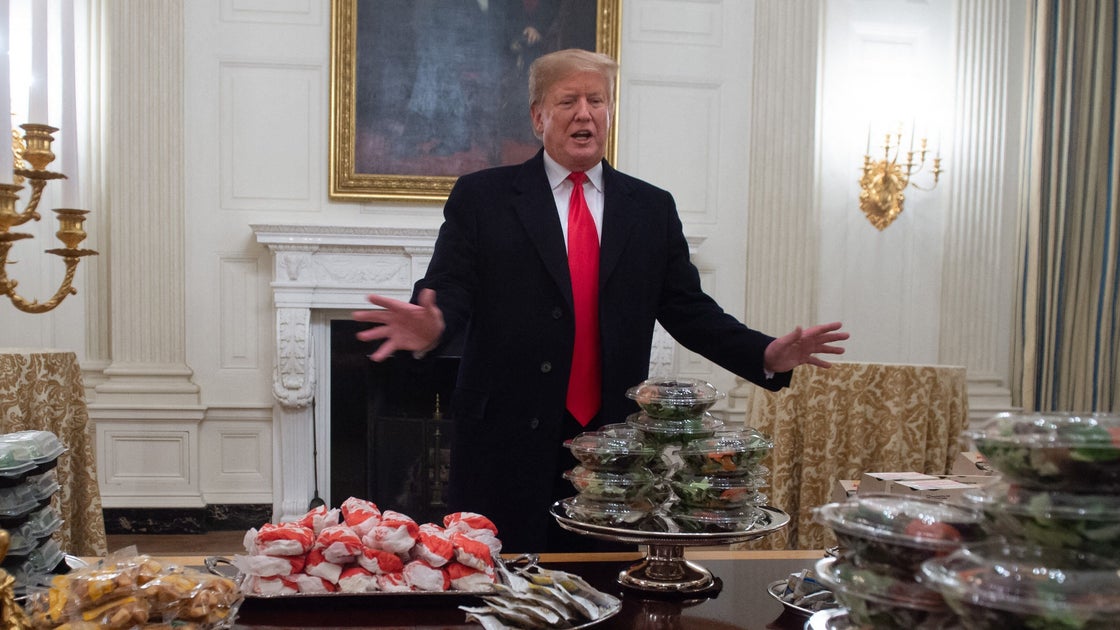
These are good times if you’re a rancher like Brown, who endured years of tight margins before the pandemic. But the steep prices are making shoppers wince — and creating a serious political problem for President Donald Trump and Republicans, whose control of Congress hinges on convincing voters they have inflation under control. Trump hasn’t made it easy for his party: Just this week, he told the press, “I love the inflation” when asked about the latest data showing it spiked last month.

“Cows are produced one at a time. They don’t have litters. It’s a slow biological process. It’s going to take several more years before we can change this [situation] appreciably.”

Unfortunately for the hamburger-loving president, there aren’t many policy levers he can pull to lower the price of a burger in the near future, according to agricultural economists. The administration’s invasion of Iran with Israel has pushed up diesel and fertilizer prices, which, in turn, are putting upward pressure on beef and other staples. But the main underlying issue is a shrunken U.S. cattle herd that was years in the making, paired with a seemingly insatiable demand among the meat-eating public.

“The main thing is we’re producing less beef,” said David Anderson, an economist who specializes in livestock at Texas A&M University. “That’s related to drought conditions in much of the country. We went through a number of years of very low cattle prices and rising costs, so ranchers reduced their herds because they were losing money and they had to cut production. Where we are today is really the culmination of those factors.”

There are fewer cattle in the U.S. than there have been in 75 years, with the domestic herd at 86.2 million head as of Jan. 1. Years of climate change-induced drought made hay harder to come by and more expensive, leading ranchers to send more cattle off for slaughter. Persistently low beef prices — along with rising operational costs — had also given them less incentive to build up their herds over the long term.

And now they must contend with an invasive parasite known as the New World screwworm, which feeds on mammals and can devastate a rancher’s livestock. The flesh-eating fly larva was eradicated from the U.S. decades ago but has recently been migrating north from Central America. The U.S. Department of Agriculture has confirmed at least four recent cases in Texas, sparking alarm in the cattle industry that the screwworm will spread.

Even if ranchers had more clarity, cattle herds cannot be rebuilt overnight, said Derrell Peel, an agricultural economist at Oklahoma State University. Ranchers must first see an incentive in retaining their heifers for breeding rather than sending them off to a feedlot and to slaughter. Cattle are basically a medium-term capital investment, and increasing a rancher’s herd size can take years of planning and breeding.

“Cows are produced one at a time. They don’t have litters. It’s a slow biological process,” Peel said. “It’s going to take several more years before we can change this [situation] appreciably.”

Ranchers like Brown are wrestling with what to do in this environment. There are uncertainties, such as severe weather and parasites, set against the guarantee of strong prices this year — all factors encouraging her to sell heifers now. But she also sees elevated prices for the foreseeable future, an argument for buckling down and rebuilding the herd.

“I see this market just getting better and better, and I see horrible things happening to my peers: screwworm and wildfires and slaughterhouses shutting down,” she said. “To me, the cattle numbers are going to become lower, with more demand [for beef].”

So far, consumers seem willing to swallow the higher prices. Brown runs a direct-to-consumer side of her business where she sells high-quality quarter, half and whole cows to mostly high-income customers. Despite the meat getting significantly more expensive, she doesn’t even bother to keep a wait list anymore — she’s sold out for at least the next two years.

People of more modest means might balk at the current cost of prime rib, but per capita consumption of ground beef is now at its highest level in more than two decades, according to Oklahoma State’s Peel. Changing health perceptions could be a factor, as the share of consumers who say they are trying to avoid meat for health reasons has fallen. Trump’s health secretary is flipping the food pyramid and going whole hog in promoting an animal-based diet, while wellness influencers spread questionable claims about the health benefits of going carnivore.

But restaurateurs and pitmasters are finding that diners do have a limit in what they’re willing to pay.

This past winter, Shawn Jones made the tough decision to shutter Kirby’s BBQ, his well-regarded restaurant north of Houston, in large part due to the rising cost of beef. Texas is brisket country, and Jones became convinced he could no longer serve his barbecue at a price customers could handle.

“I see this market just getting better and better, and I see horrible things happening to my peers: screwworm and wildfires and slaughterhouses shutting down.”

Jones was paying around $100 for a 20-pound, untrimmed full packer brisket, which would ultimately yield around nine pounds of sellable product after smoking. He found he had to charge $36 a pound in order to turn a profit after labor, utilities, rent and other expenses, which means a family of four might spend more than $70 on the brisket alone before throwing in some ribs, sausages and sides.

“It’s hard to justify for most middle-income families in this economy, on top of gas prices. People just don’t have that wiggle room,” Jones said. “They wanna support us and eat the food, they’re just having a hard time fitting it into their budget.”

Though it pained him to close shop, Jones feels validated in his call — the price of brisket has only climbed higher since December, prompting some other acclaimed pitmasters to follow suit.

The Trump administration wants to appear to be doing something to pull prices down, especially as Democrats go all-in on an “affordability” agenda highlighting the rising cost of living ahead of the midterm elections.

In February, the White House announced it would allow Argentina to import more lean beef trimmings tariff-free in order to increase the U.S. ground beef supply. But the White House has already backed off the plan, Politico reported, after pushback from a cattle industry it counts as a political ally.

“The idea of allowing more competition than they’re comfortable with and lowering the price of their cattle is not something they get excited about,” Vincent Smith, an economist and fellow at the center-right American Enterprise Institute, said of ranchers.

An analysis by Smith and a colleague found that the policy would have “de minimus” impact on prices anyway, increasing the U.S. beef supply by only 0.5%. Smith said it wouldn’t alter the underlying issue of a historically small domestic herd facing more drought and possibly screwworm, with high prices that encourage ranchers to sell now.

Brown resisted that urge this spring and didn’t sell a single heifer. She doesn’t see the price of beef coming down much in the medium-to-long term, predicting good years ahead for ranchers who are prepared — and a new normal for shoppers in the grocery store meat department. As she noted, the price of a pound of ground beef could soon surpass the federal minimum wage.

“For a long time, we were getting really similar prices to what we were getting 20 years [earlier],” she said of cattle ranchers. “Maybe now we went too far in the other direction, but I don’t know if we’ll ever go back.”