yahoo Press
Supreme Court won't hear tariff challenge, paving way for new Trump action
Images
1 / 17
2 / 17

3 / 17

4 / 17
5 / 17
6 / 17
7 / 17
8 / 17
9 / 17
10 / 17
11 / 17
12 / 17
13 / 17
14 / 17
15 / 17

16 / 17

17 / 17
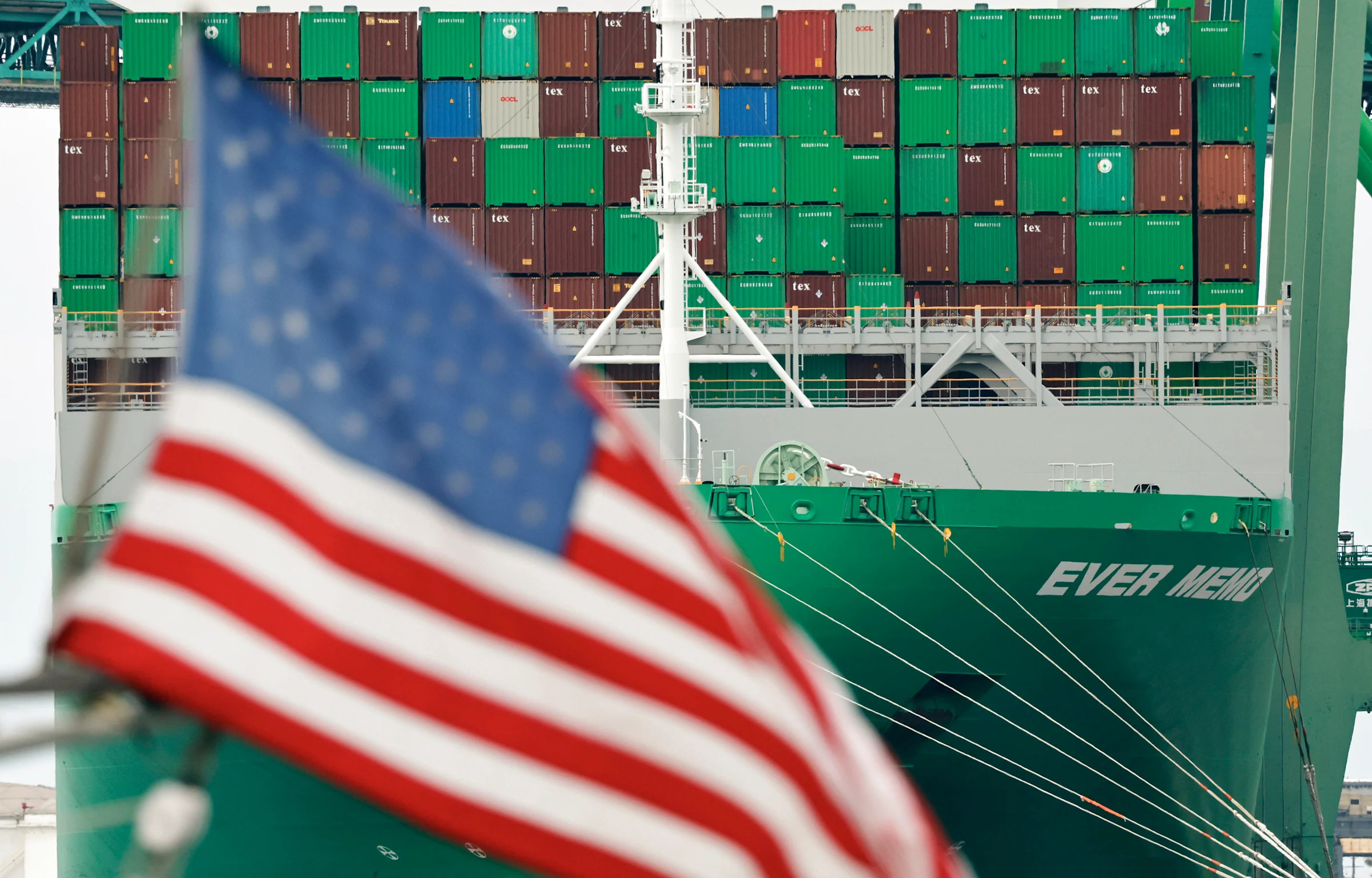
WASHINGTON – The Supreme Court on June 15 declined to hear from businesses challenging President Donald Trump's tariffs on China, which he imposed in 2018 under a different law than the emergency duties the high court struck down in February.

The justices' decision not to review a ruling upholding those tariffs could embolden the administration as it seeks to replace many of the emergency tariffs Trump tried to impose last year.

And it leaves in place import fees that companies opposed to the tariffs said are costing American consumers nearly $75 billion a year.

At issue were some of the tariffs imposed during the first Trump administration on imports from China under the 1974 Trade Act, which allows the United States to take action against another country’s unfair trade practices.

Are Trump's tariffs really dead? Here's what's happening behind the scenes

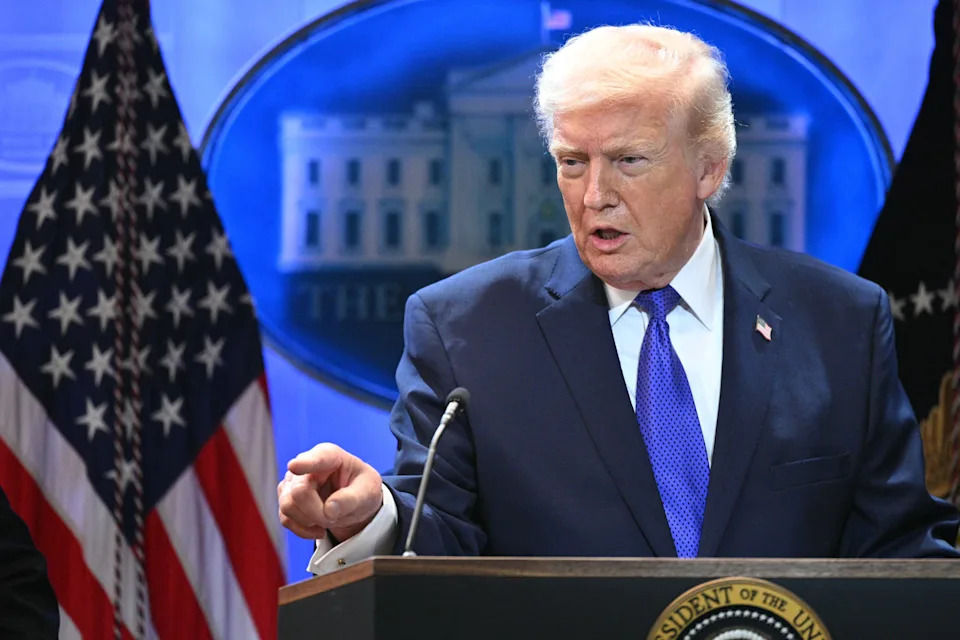
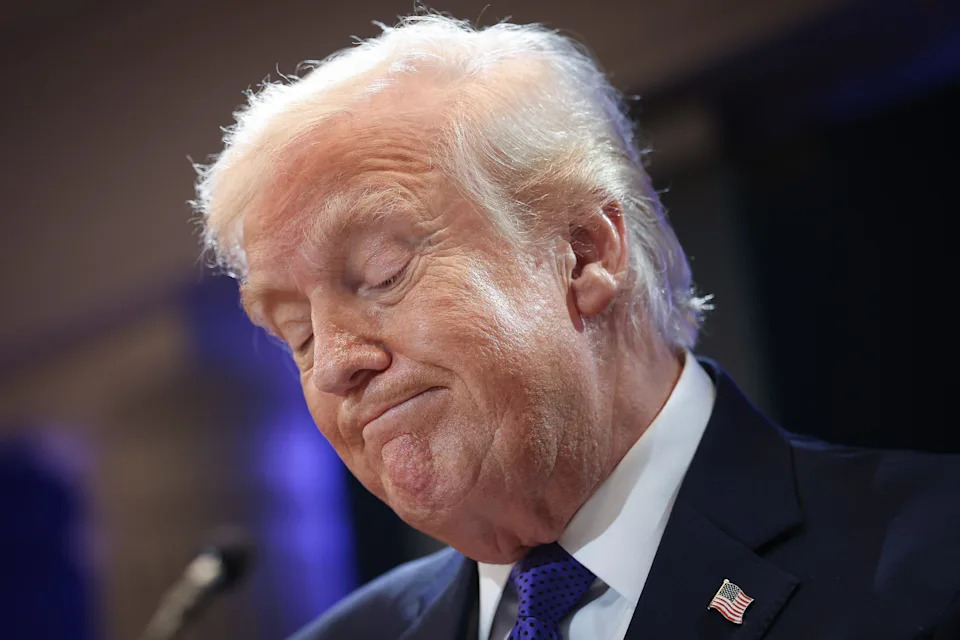
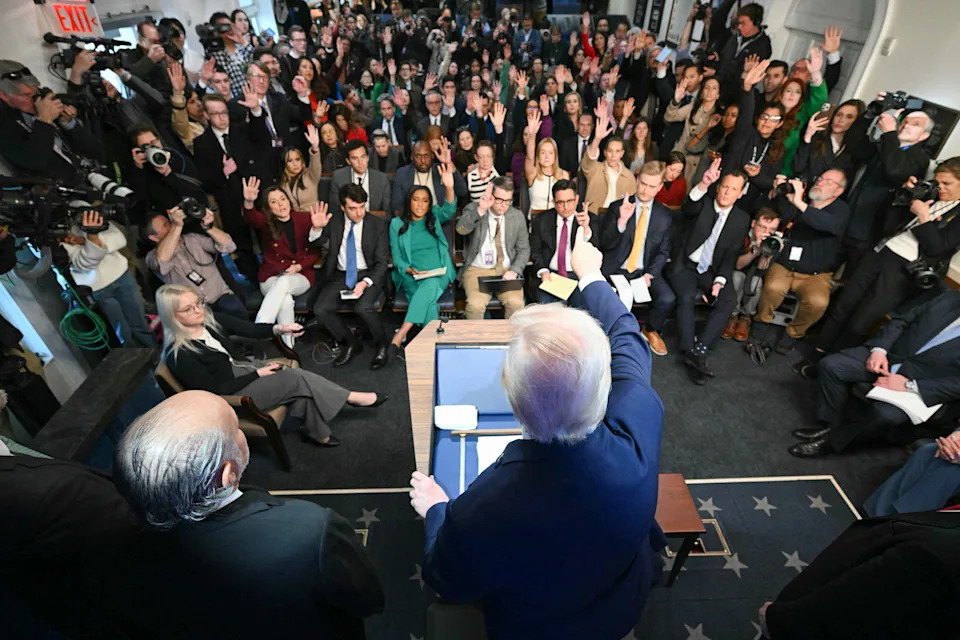
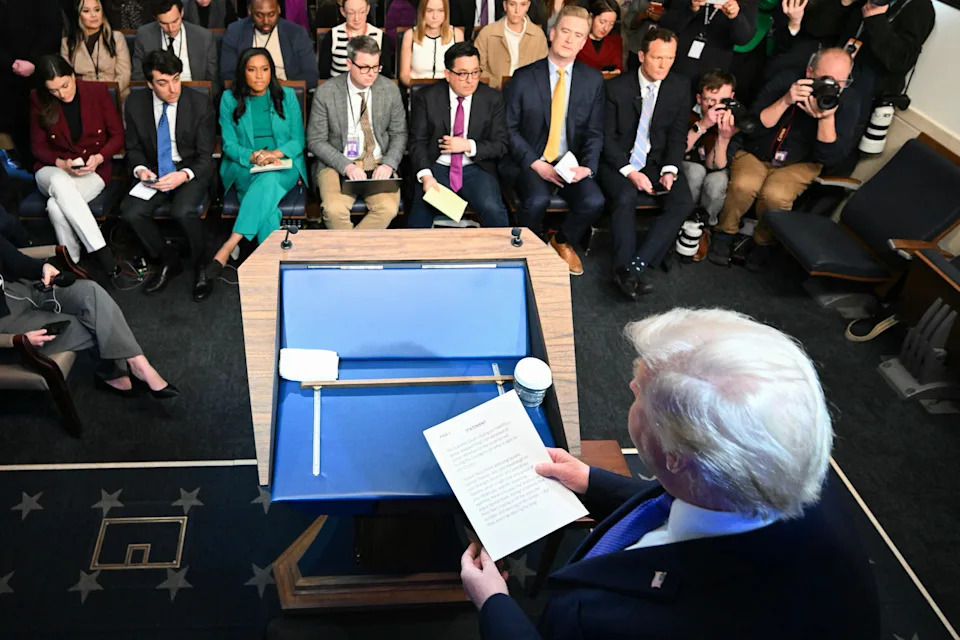
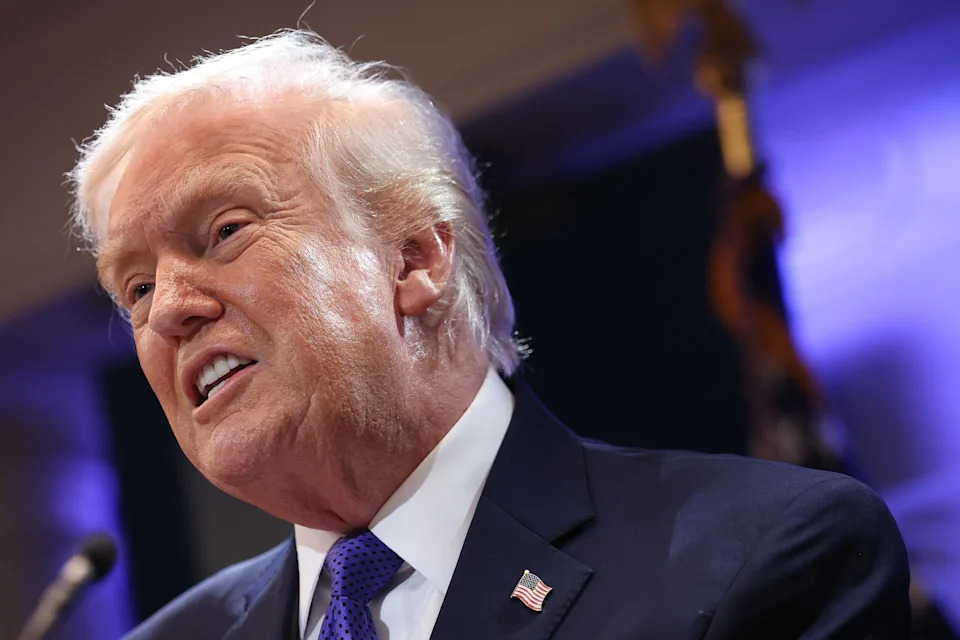
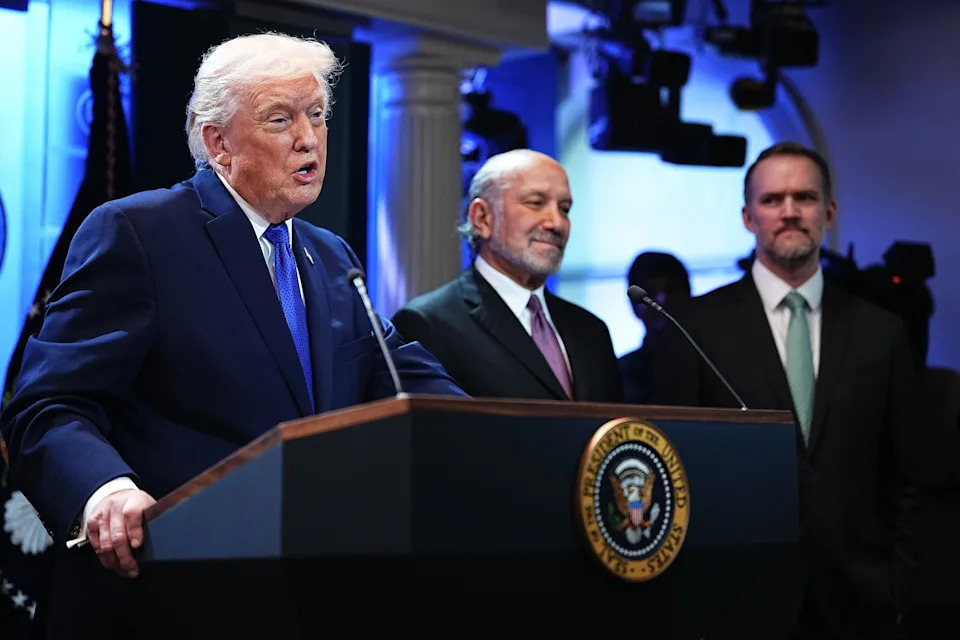
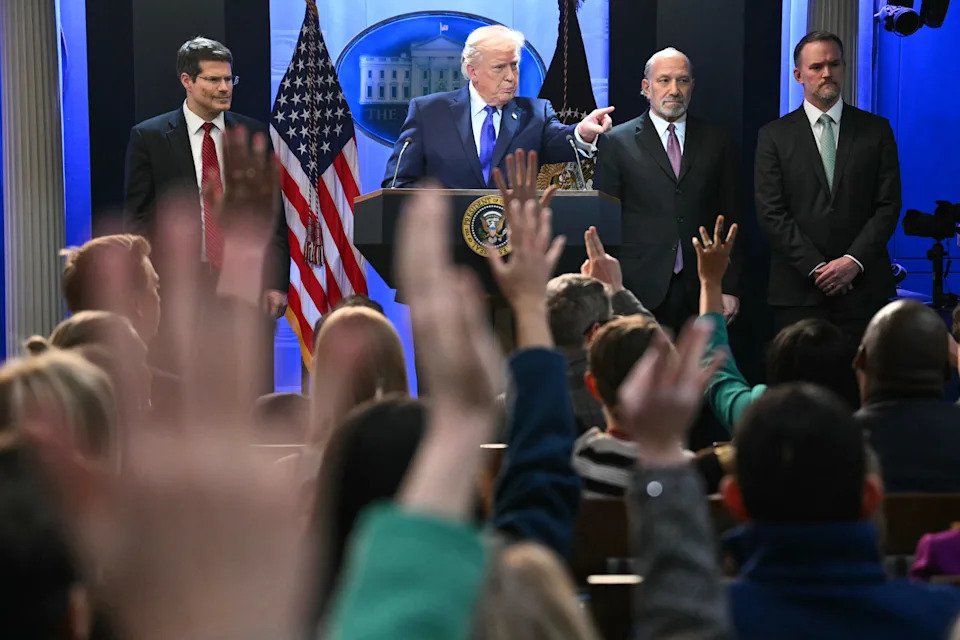
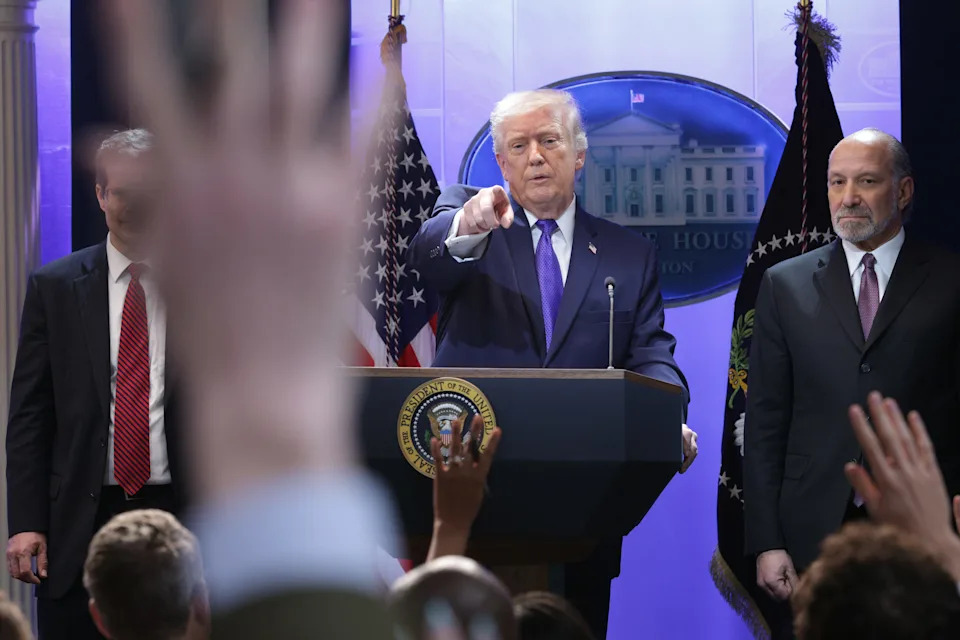
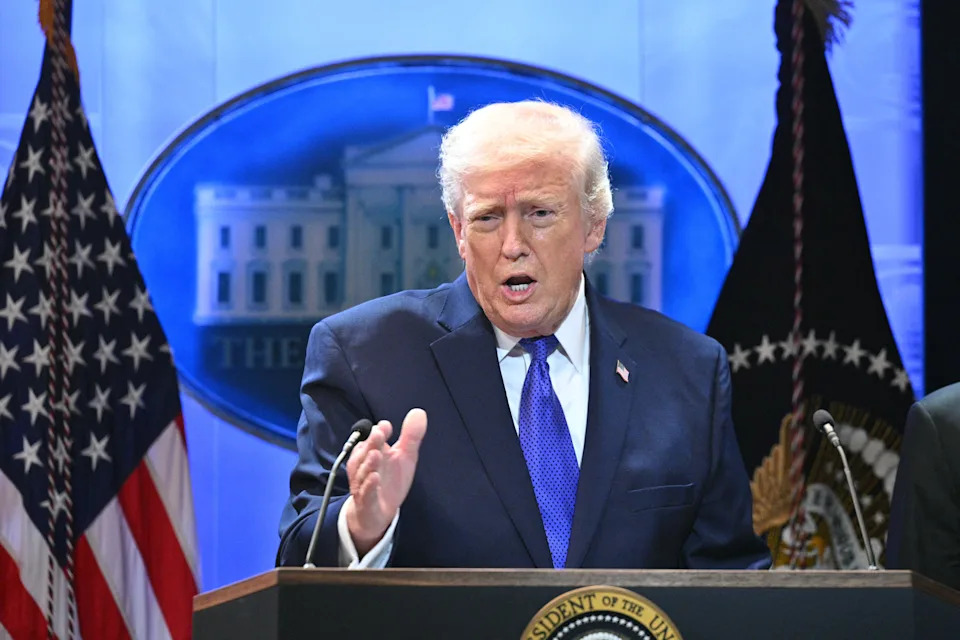
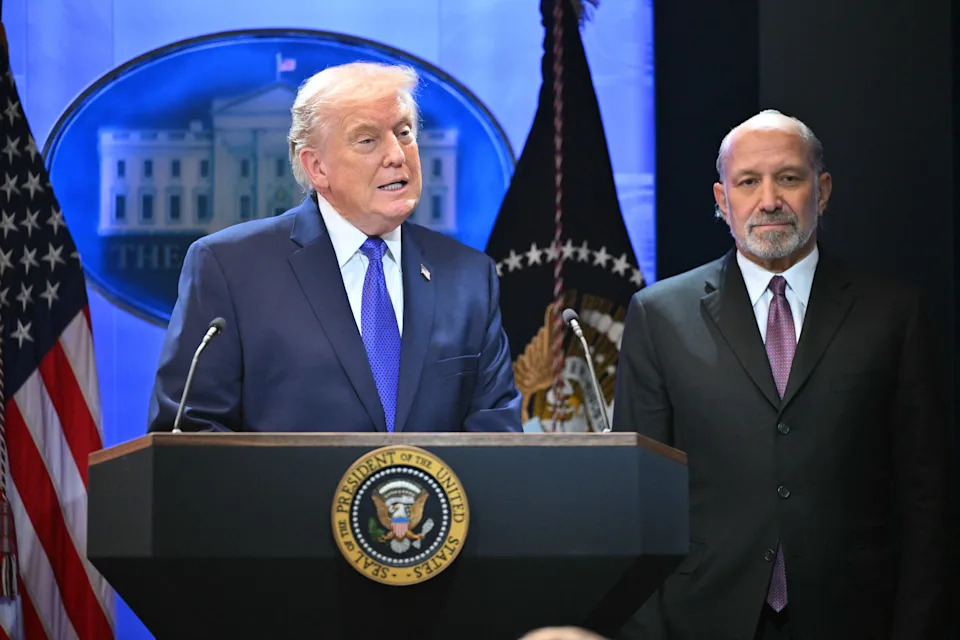
President Donald Trump slammed the Supreme Court in a press conference on Feb. 20, 2026, after the conservative court blocked sweeping tariffs in a 6–3 decision, dealing a major blow to the president’s economic agenda and limiting executive power.

President Donald Trump slammed the Supreme Court in a press conference on Feb. 20, 2026, after the conservative court blocked sweeping tariffs in a 6–3 decision, dealing a major blow to the president’s economic agenda and limiting executive power.

In June, the U.S. Trade Representative’s office proposed tariffs of up to 12.5% on imports from 60 countries it says haven’t done enough to crack down on forced labor. If implemented along with recent changes to steel and aluminum tariffs, the amount of money collected could replace roughly half the projected revenue loss from the Supreme Court’s ruling against Trump’s other tariffs, according to the nonpartisan Committee for a Responsible Federal Budget.

Using the trade act instead of the emergency authority to impose tariffs is a more complicated process.

But once the administration conducts fact findings and holds hearings on another country’s trade practices, it’s still too easy to dramatically ratchet up the tariffs, the companies challenging the 2018 tariffs had argued.

HMTX Industries and other flooring and electronics businesses hurt by the tariffs said that’s what happened after China retaliated for an initial round of tariffs on $50 billion in imports, prompting the first Trump administration to impose additional duties on $320 billion worth of imports.

Tariff refunds: Companies are seeking billions. Will you see a dime?

The administration did so using authority under the trade act to modify existing tariffs.

"But Congress nowhere gave [the U.S. Trade Representative] the vast power to engage in an open-ended trade war under that modest modification provision," lawyers for the businesses that challenged the tariffs said in their appeal.

They said the court should settle whether there are limits on the administration’s ability to expand tariffs under the trade act, arguing it’s "all but inevitable" that the government will use the "loophole" again.

The administration countered that the law does not restrict its ability to respond to developments, as long as the new tariffs "are not radically transformative."

And if Trump does use the trade act again to impose – and then increase – tariffs, the Department of Justice wrote in a filing, the court "will have ample opportunity to address the scope of those provisions."

This article originally appeared on USA TODAY: Supreme Court won't hear tariff challenge. Could it benefit Trump?