Press
Unclear if US-Iran agreement will provide respite to Lebanon
Images
1 / 8

2 / 8
3 / 8
4 / 8
5 / 8
6 / 8
7 / 8
8 / 8
Finally, after what have seemed like countless false starts, a deal has been agreed by the US and Iran. Both sides have predictably claimed victory.

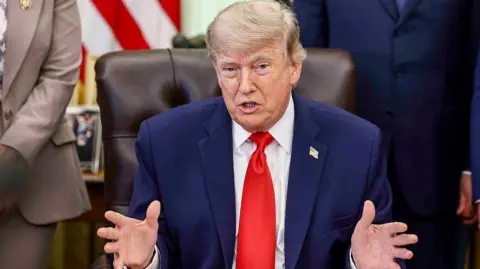
US President Donald Trump has boldly declared: "This Great Deal will bring Peace and Security to the whole Region."

Iran's deputy foreign minister Kazem Gharibabadi hailed what he called his country's military achievements as he confirmed that the Memorandum of Understanding had been signed.

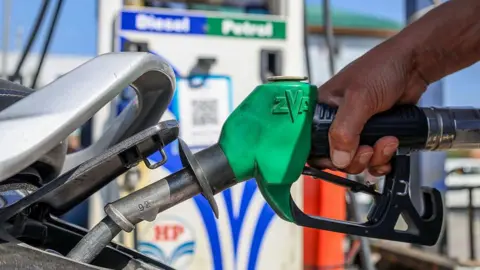
All sides, including the mediator, Pakistan, are saying that the deal will see the lifting both of Iran's closure of the Strait of Hormuz and The US blockade of Iranian ports, although this may not be immediate.

That will go some way to relieving pressure on Trump over the harm to the global economy caused by the former, while Iran's collapsing economy will gain some relief from the latter.

Pakistani Prime Minister Shehbaz Sharif - who was the first to announce the deal - has said that the agreement also calls for the "immediate and permanent termination of military operations on all fronts, including in Lebanon".

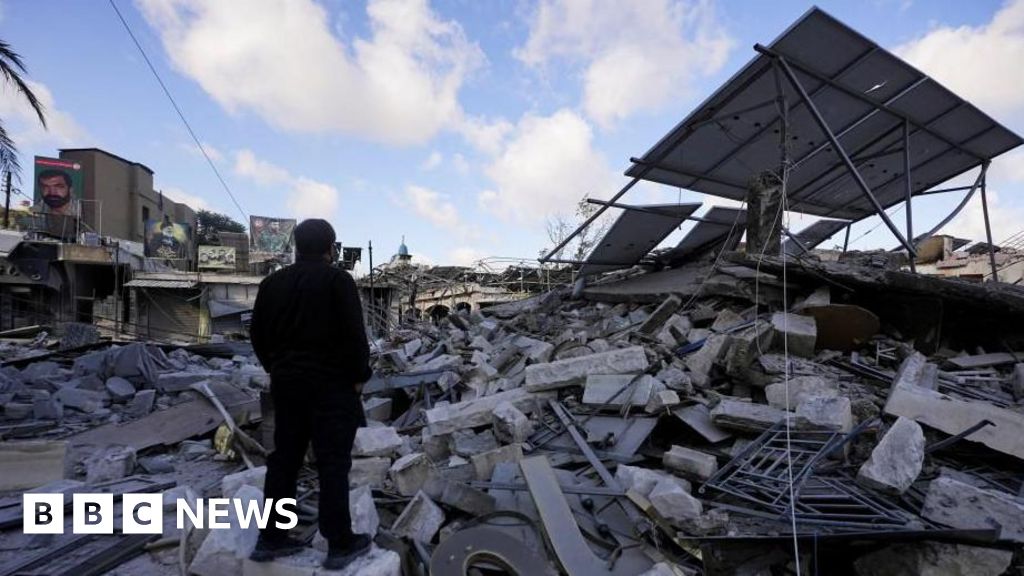
That could be a tall order. Israeli Prime Minister Benjamin Netanyahu has shown no sign so far of being prepared to end Israel's current offensive against Hezbollah in Lebanon.

Indeed, twice in just the past week, Israeli strikes on the southern suburbs of Beirut in response to Hezbollah rockets crossing into northern Israel have come close to derailing the whole process. Iran only just pulled back from responding with another missile attack on Israel in order to get the deal across the line.

So it's unclear if the agreement will provide a respite to Lebanon, where two recent ceasefires have failed to take hold.

But for Iran's Arab Gulf neighbours, there will be a sense of relief that at least for now there could be an end to the threat of Iranian missiles targeting them - a tactic that has raised questions about the very nature of the economic model followed by the UAE, Qatar and Saudi Arabia.

As for the most essential element of any deal from the US perspective, it's unclear for now how far this agreement goes in providing guarantees and mechanisms that will prevent Iran from ever developing a nuclear weapon.

That was the danger that the US and Israel said they were tackling in going to war.  There are indications from what Iranian state media has reported to be in the deal that such a mechanism may have been set up, but that will need to be clarified and is likely to be the subject of intense negotiation after the deal is signed.

That ceremony is still several days away. With all the dramatic twists and turns that this process has taken over recent weeks, no one can be sure that the path towards that day will be straightforward.

But for now, some of the uncertainty over the conflict - which for weeks had wavered between ceasefire and military confrontation - has at least been partially lifted.

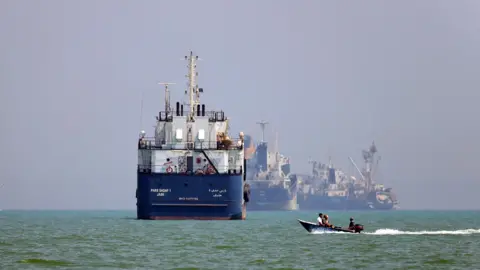
Under the agreement, the key Strait of Hormuz waterway will be reopened, US President Donald Trump said.

Both sides declare "the immediate and permanent termination of military operations on all fronts, including in Lebanon", Pakistan says.

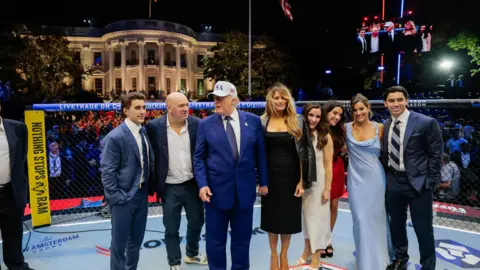
Justin Gaethje beat Ilia Topuria to win the lightweight championship in the main event.

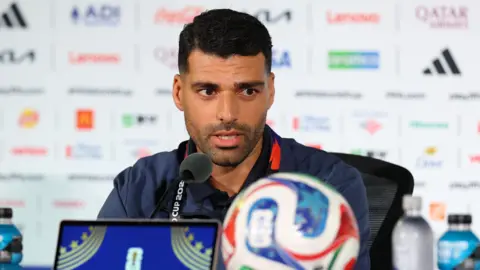
Iran's striker Mehdi Taremi said the country's political predicament "undermines the joy of the World Cup".

The announcement of an Iran deal was a welcome birthday gift for the president – but its success or failure may hinge on the details.