yahoo Press
Does race impact if you can walk away from police? Supreme court won’t decide
Images
1 / 8
2 / 8

3 / 8

4 / 8
5 / 8
6 / 8

7 / 8

8 / 8
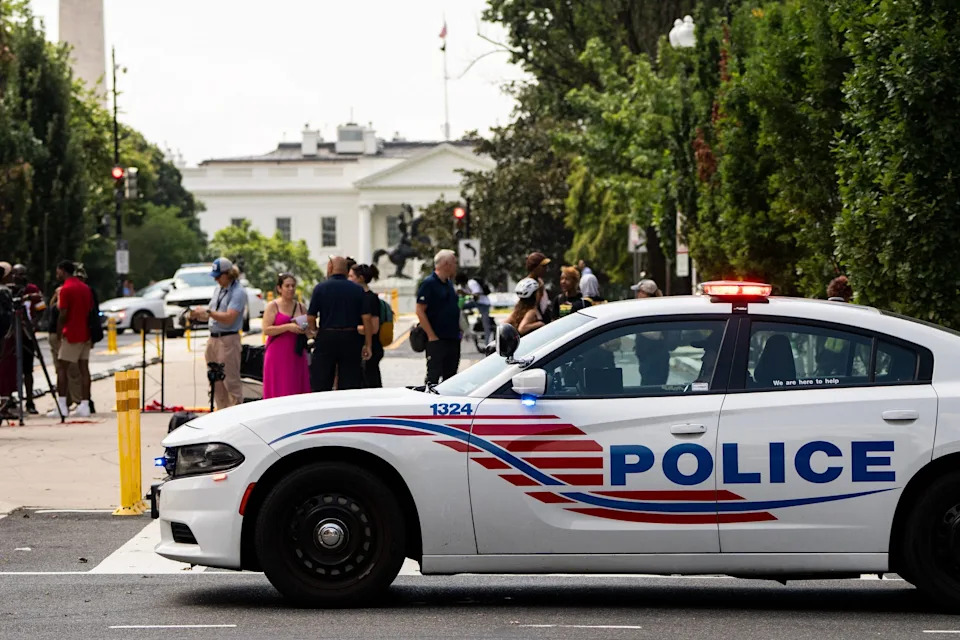
WASHINGTON − Donte Carter was standing on a Washington, DC, sidewalk in 2020 when police officers looking for illegal firearms asked if he had a gun.

Police had no specific reason to approach Carter. And he could have refused a request to “hike his pants” – a move that led to the discovery of a .40-caliber pistol that had been stolen from an FBI agent’s car two months earlier.

But a court threw out his conviction, after factoring in that Black Americans like Carter are disproportionately subject to police violence so he may have felt compelled to comply.

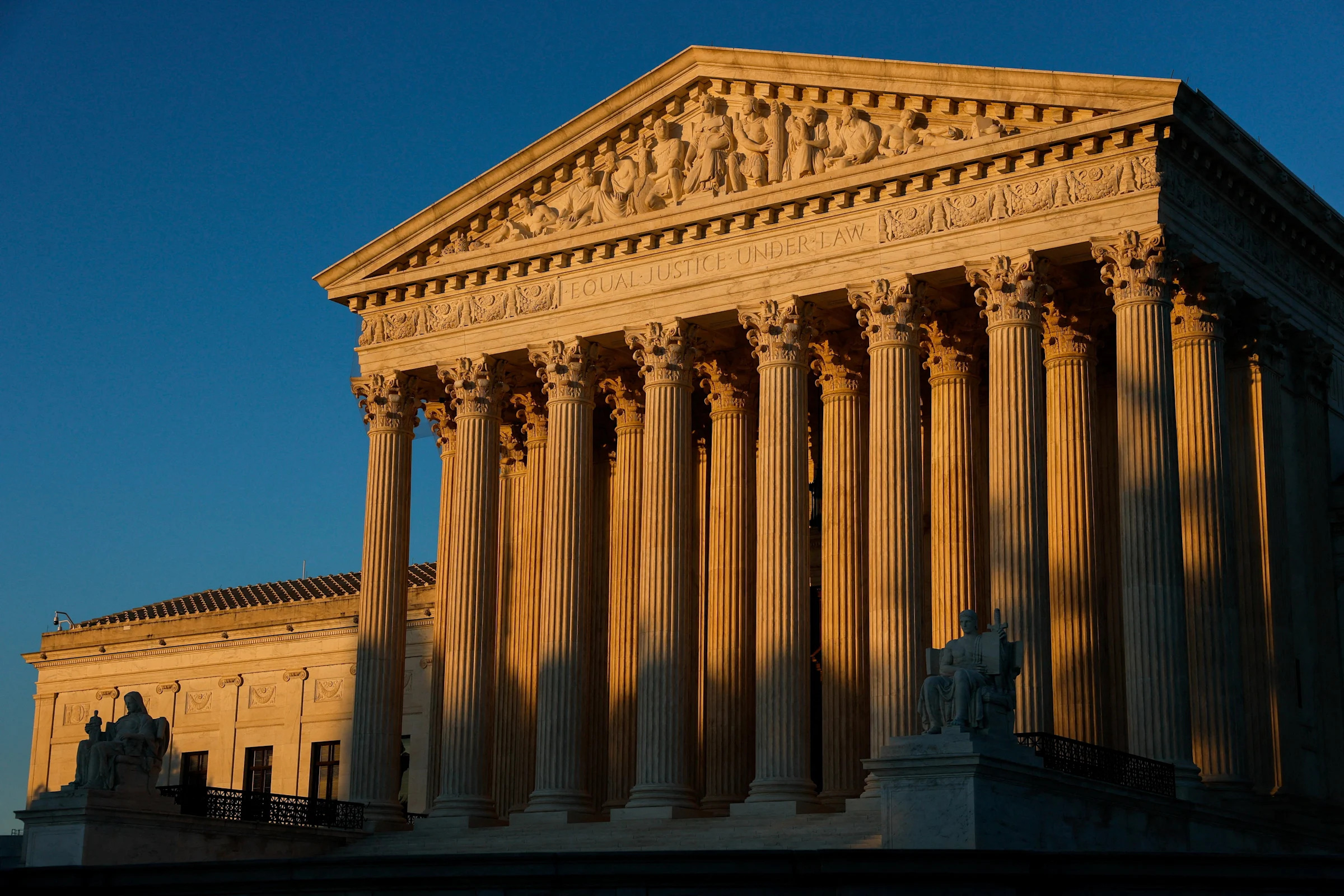
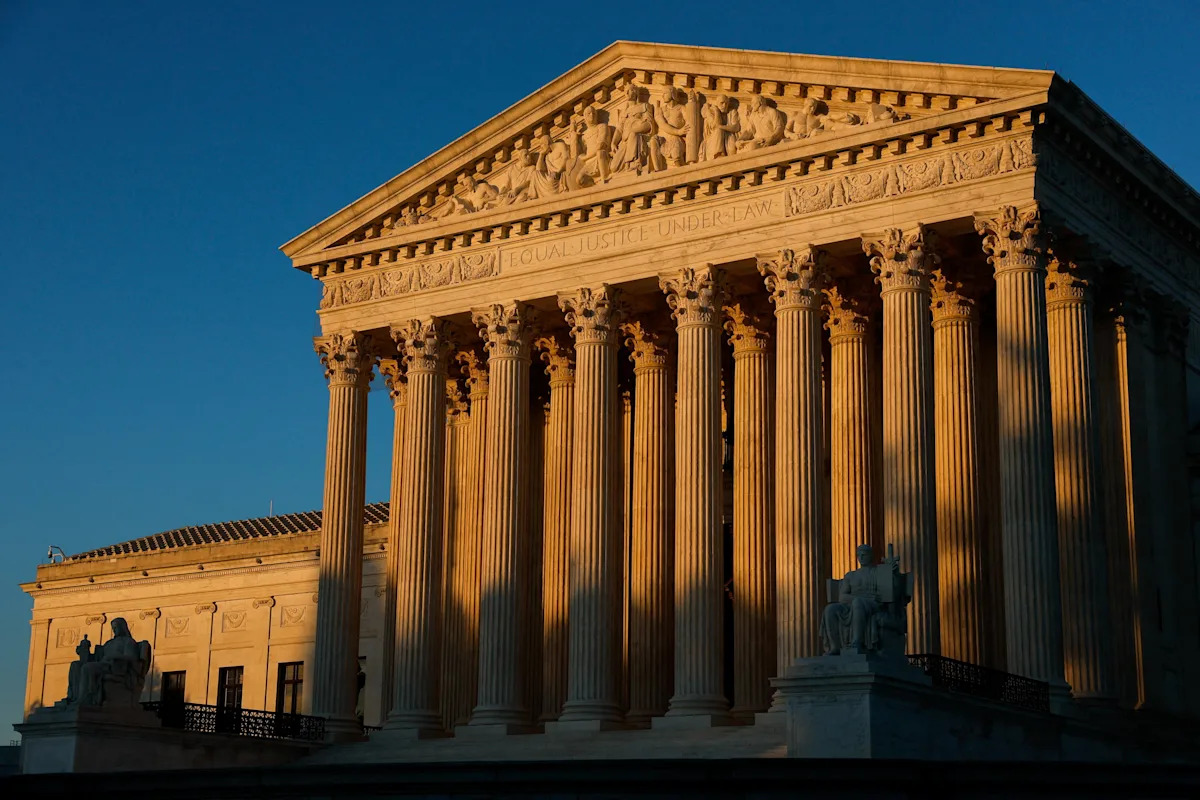
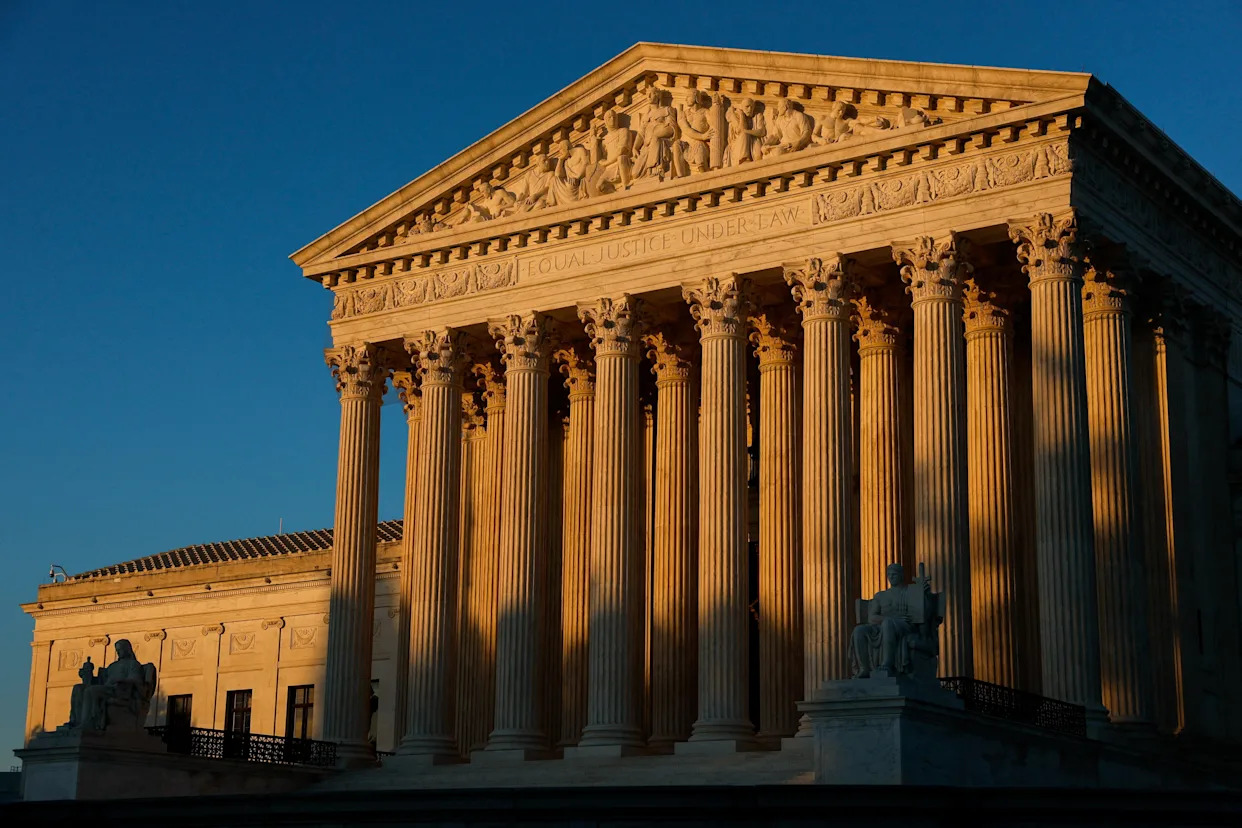
The Supreme Court on June 22 declined to review that decision, including whether the racial factors the lower court cited can be used to determine if someone is free to walk away from an encounter with police.

Two of the court's conservative justices said they would have taken the case.

"It is dangerous to allow an individual to be treated differently based on statistics, studies, or expert testimony that purports to show that members of the racial or ethnic group to which he belongs are more likely to act in a certain way than are members of other groups," Justice Samuel Alito wrote in dissent from the denial of the appeal that was joined by Justice Clarence Thomas. "Here, the special treatment helped the individual; in other situations it will not."

The Justice Department, which had asked the court to take the case, said the lower court‘s “race specific approach” is unworkable and wrong.

“The Constitution does not tolerate, much less mandate, judicial presumptions about how people of a particular race think,” lawyers for the department wrote in their unsuccessful appeal.

Carter’s attorneys countered that his race was not the only factor the lower court considered and said race is a permissible consideration under a 1980 Supreme Court decision.

“Courts must consider all the circumstances of a police encounter to determine whether a reasonable person would have felt free to end the encounter and walk away,” his attorneys wrote. “Race can play a valid role in that inquiry.”

The Fourth Amendment requires police to have a reasonable suspicion or probable cause that a person has committed a crime before conducting a search or “seizure.”

When deciding if someone has effectively been prevented from leaving even if they have not been officially detained, courts look at whether most people in a particular situation would have believed they had a choice.

In Carter’s case, the District of Columbia Court of Appeals said it was a close call.  But one factor that helped tipped the balance was Carter’s race and “generalized lived experiences.”

Black Americans, the court said, “are disproportionately likely to be victims of violence at the hands of police officers, particularly during suspicionless investigatory inquiries like the one here.”

So many Black men have been killed by police that Black parents routinely give their children “the talk” about how to act around law enforcement, the court said.

“Applying this understanding as to why Black men are especially apprehensive around police, it is clear that many of the historical features of blue-on-black interaction that have led to this perception were present in Mr. Carter’s encounter,” the court ruled.

This article originally appeared on USA TODAY: Supreme Court sidesteps case about race in police encounters