yahoo Press
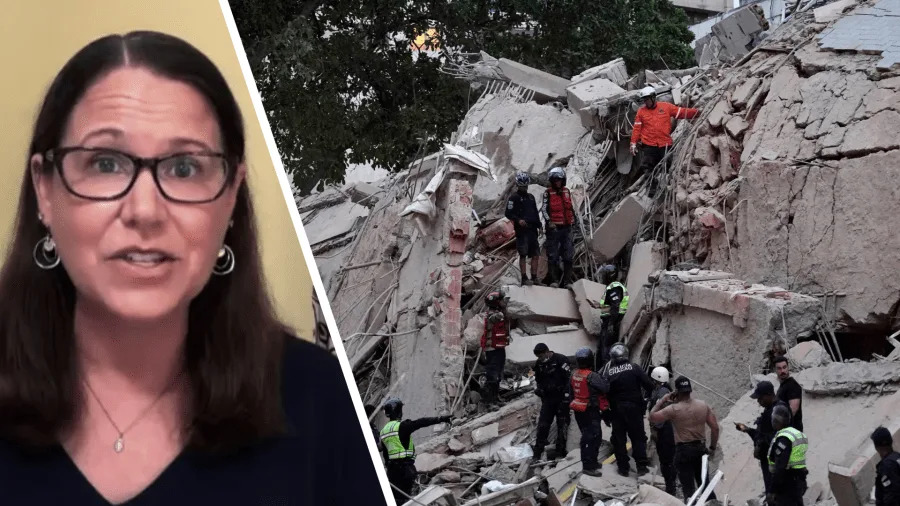
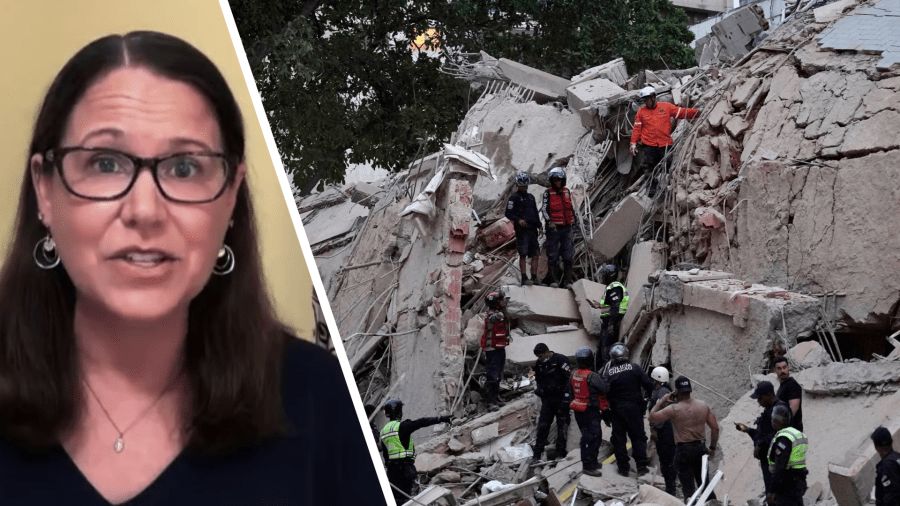
Yale seismologist Maureen Long says recent earthquake surge is normal
Images
1 / 6
2 / 6

3 / 6

4 / 6

5 / 6

6 / 6
(NewsNation) — A recent string of major earthquakes in recent weeks, including a 7.4-magnitude quake that triggered a dramatic rescue of a baby in Colombia, has left many wondering whether the events are connected. According to Yale seismologist Dr. Maureen Long, they're not, and the frequency isn't out of the ordinary.

"This is a question that I get from family and friends all the time," Long told NewsNation's Jesse Weber. "The short answer is yes; this is normal."

Long said roughly half a million earthquakes strong enough to register on scientific instruments happen every year. For quakes of magnitude 7 or higher, the average is between 15 and 18 annually, though that number can vary year to year.

 San Andreas fault reaching critical stress levels, scientists say

Long, who researches seismic activity in the Pacific Northwest and eastern U.S., also flagged an earthquake risk she says the public underestimates: the Cascadia subduction zone off the Pacific Northwest coast. The zone produced a magnitude 9 earthquake roughly 300 years ago, and Long said another is inevitable.

"It's really important for us to continue doing scientific research into what exactly that magnitude 9 might look like in the future and how applying that scientific knowledge so that we can be prepared for it," Long said.

Scientists still cannot predict earthquakes with the accuracy used to forecast hurricanes, though researchers are working to improve early-warning capabilities.

Copyright 2026 Nexstar Media, Inc. All rights reserved. This material may not be published, broadcast, rewritten, or redistributed.

For the latest news, weather, sports, and streaming video, head to NewsNation.