yahoo Press
A mother has spent years caring for her special-needs child. The toll quietly grew.
Images
1 / 14
2 / 14

3 / 14

4 / 14
5 / 14
6 / 14
7 / 14
8 / 14
9 / 14
10 / 14
11 / 14
12 / 14

13 / 14

14 / 14
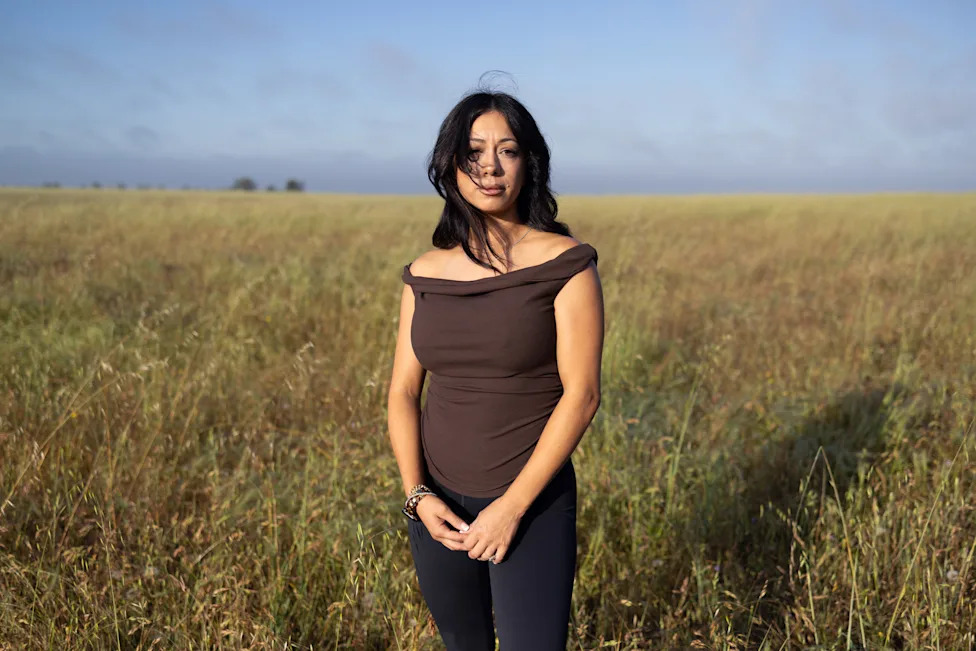
RANCHO CORDOVA, Calif. - Annie Morgan wrapped her arms around her eldest daughter's waist and guided her toward the minivan, the two of them moving in a slow, sideways shuffle.

At 13, Ava was nearly as big as Annie, who stands just 5 feet flat, 110 pounds.

Subscribe to The Post Most newsletter for the most important and interesting stories from The Washington Post.

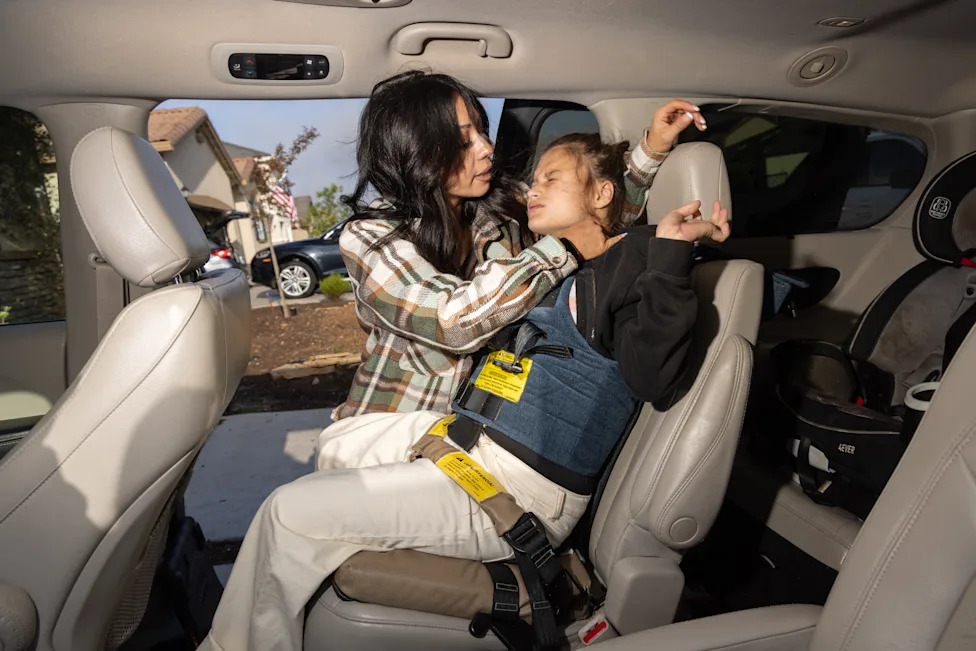
The morning in May had started well. Ava was cooperative and calm, and Annie, 34, smiled as her two other children bolted past them and into the car. Then something shifted. As Annie helped Ava into the vehicle, Ava wailed and slammed her body against the seat. The car rocked.

"Gentle hands," Annie said evenly. "We're okay. We are still going to school."

The struggle lasted six minutes: long enough for Annie to tighten one belt, then another. Long enough to block a blow to the head, catch Ava's hands and dodge them when she couldn't. Long enough for sweat to gather across Annie's forehead and beneath her shirt.

When she finally settled into the driver's seat, the clock read 7:49 a.m. Still on time for school (basically).

In one form or another, scenes like this unfold every morning in millions of American homes. Sons and daughters lifting aging parents out of bed. Spouses managing medications. Parents helping adult children get dressed.

Family caregivers - who provide ongoing support for children or adults with chronic, disabling or serious health conditions - now number roughly 63 million Americans, up from 43.5 million a decade earlier. That's based on a nationally representative survey conducted in 2025 by AARP and the National Alliance for Caregiving, and represents about 1 in 4 adults. Just over 60 percent are women. The Centers for Disease Control and Prevention has documented a similar burden through its own surveillance programs. Together they provide countless hours of unpaid or modestly reimbursed care each year, work that would cost hundreds of billions of dollars if replaced by paid labor.

Health Secretary Robert F. Kennedy Jr. has called caregivers "the foundation of America's health care system," warning that without them hospitals and nursing homes would buckle under the demand.

But decades of shifting norms around caregiving have given rise to millions of new caregivers who are suffering elevated rates of depression, anxiety, burnout and suicidal ideation, as well as a range of physical conditions.

Only recently has the toll of caregiving begun to register as a public health problem in its own right. The National Institute on Aging has backed new technologies aimed at easing caregiver burden, including AI tools, and in February a Department of Health and Human Services's Administration for Community Living document framed the strain as a national infrastructure issue.

That enormous, largely invisible workforce is in part due to an aging population, rising rates of chronic disease and one of the most consequential shifts in U.S. social policy of the past half-century.

The United States has steadily moved away from housing people with disabilities in large institutions and toward a model centered on families and community life. The shift, which accelerated in the 1980s and 1990s, represented a profound change that allowed people who once would have spent much of their lives segregated from society to be part of their communities.

There was the promise of government support: respite care, behavioral services, trained aides, accessible schools and robust community programs that would make family-based care sustainable. But today many of those systems remain fragmented, understaffed or difficult to access. Families became the foundation of the new model, and things haven't turned out well for many of them.

Ava is 14 now. With her long, light-brown hair braided in the latest styles and a wardrobe of T-shirts and lightly ripped jeans, Ava, who is starting ninth grade this fall, blends easily into a crowd of teens. She loves Costco muffins, squeeze yogurt, slime and any music with a strong beat, from Aretha Franklin to Bollywood soundtracks and beyond. She loves Disney's "Zombies," the Gen Z/Alpha version of "High School Musical."

It's only when she speaks - or rather, doesn't - that the difference becomes clear.

Ava communicates through points and sounds, due to a rare, genetic nervous system disorder that affects roughly 1 in 15,000 people.

Angelman syndrome is caused by the loss of function of a gene known as UBE3A on Chromosome 15. Most cases occur randomly and are not inherited.

The condition is often mistaken for autism, and from the outside the two can look similar. They are not. Autism encompasses a broad spectrum: Some people require lifelong support, while others build careers, marry and live independently. Angelman syndrome follows a more predictable pattern, marked by severe developmental delays, intellectual disability, and lifelong difficulties with balance and movement.

In the early years, Annie held on to the possibility that science might somehow alter Ava's course. She followed promising research, sought out specialists across the country and enrolled her daughter in a clinical trial involving gene therapy. Nothing changed.

As Ava grew older, the distance between the life Annie once had imagined for her and the life they were living became harder to ignore.

When puberty hit in Ava's preteens, her sweetness was increasingly punctuated by moodiness, and she became more physical. Other girls her age were experimenting with makeup, talking about crushes, navigating the awkward rituals of adolescence. Ava had chew toys, cloth books and diapers.

Annie found herself looking back at those same years in her own life - a time defined, above all, by movement.

Dance had been the organizing force of Annie's childhood. Raised by her grandmother because illness had left her mother unable to care for her, she spent her afternoons moving from ballet to jazz to tap. By high school, she had made the dance team. Then, during her senior year, she showed up at an open audition for the Oakland Raiders cheerleading squad.

She remembers stopping at a Safeway for false eyelashes and finding a dress at Forever 21, then walking into an audition room filled with women who seemed impossibly polished. Somehow, she made the team.

Annie cheered for two seasons. Then she became pregnant with Ava, bringing her time with the Raiders to an abrupt end. Not long after, she and Ava's father separated.

One day, on the drive home from visiting a friend in the Bay Area, Annie glanced in the rearview mirror. Ava, who was about 18 months old at the time, was slumped in her car seat, frighteningly still. Annie pulled off the freeway and rushed her to an emergency room.

Ava had had a seizure, the doctors told her. The harder news was why.

Not long before Ava was diagnosed, Annie had ventured back into dating. At the urging of her co-workers at the restaurant where she was working as a waitress, she was scrolling through Tinder one day when a message popped up from a guy she thought was cute.

His name was Daniel, he was working as a personal trainer, and like her he came from a mixed ethnic background. She was a mix of Italian, Puerto Rican, Mexican and Native American; he, Spanish, Irish, Scottish, German and Native American. Like Annie, he considered himself nondenominational but took his Christian faith seriously: Their second date was at church. What stood out most, though, was his kindness. He was patient with Ava. Thoughtful toward strangers.

Four months later, Daniel proposed. Annie wanted to say yes but hesitated.

She worried about future children. Angelman syndrome is almost always not inherited, but Annie wondered if something in her had led to Ava's condition. Daniel told her it didn't matter.

Annie Trujillo and Daniel Morgan, then 24 and 25, were married on a sunny day in October 2016 at a winery to Celine Dion's "The Power of Love." Ava was 4 at the time, and the couple went on to have two more children, a son, Brody, now 7, and a daughter, Naomi, now 4.

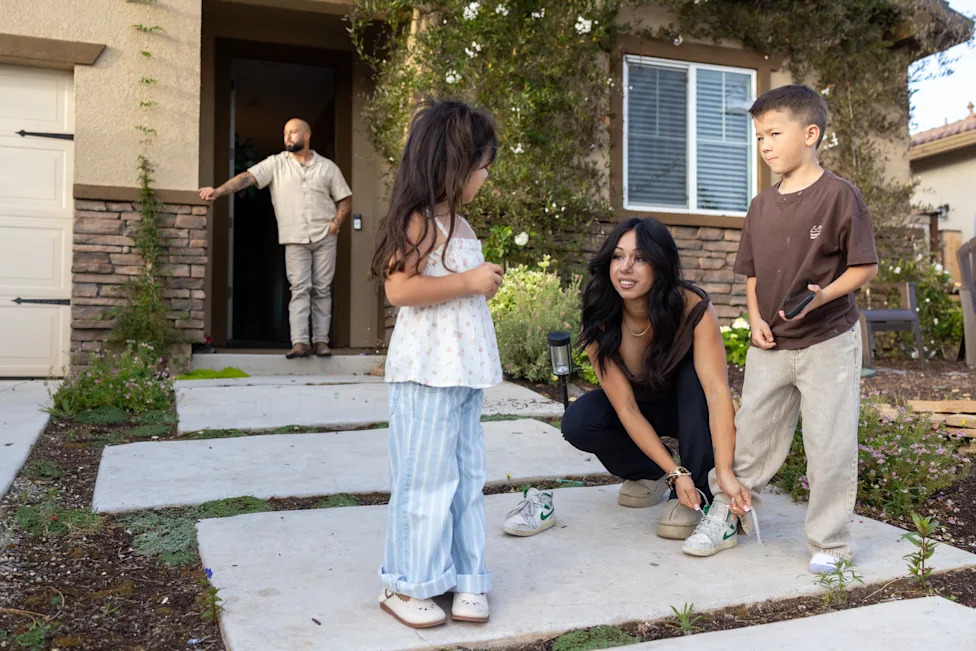
When Ava was young, Annie and Daniel tried to keep a semblance of an ordinary life. There were playdates and birthday parties, afternoons at the pool, Sundays at church. They packed the walker and whatever else Ava needed and went.

Daniel shared the work when he was home. But as his career working for the state of California's housing department took off, he was increasingly on the road, sometimes for a week at a time. And taking Ava out was becoming more complicated. Leaving the house became a logistical operation, necessitating contingency upon contingency in case Ava swept food and plates off a restaurant table, bolted or began screaming. Annie learned to keep one eye on her daughter and another on the room, gauging the expressions of strangers and deciding when an explanation - or an apology - was necessary.

Gradually, it became easier to stay home.

There, Annie's days acquired their own relentless rhythm.

She was often up before 5 a.m., preparing food and medications, dealing with paperwork, getting Ava ready for school. After drop-off came the calls: a prescription that needed filling, a therapy that needed scheduling, a specialist to chase down. When Ava got a new version of her communication device, Annie had to learn that, too. A broken wheelchair could mean an afternoon fighting with the insurance company. A problem at school could erase whatever Annie had planned to do that day.

By 9 p.m., sometimes later, she would fall into bed.

At night, practical worries would give way to larger ones.

Annie worried about whether Ava was safe at school and whether she could keep her safe at home. She worried about the future. Ava was becoming a striking young woman without acquiring the ability to recognize all the dangers that came with being one. Annie had read stories about the sexual abuse of disabled women in institutions. Sometimes they kept her awake. What would happen to Ava when she and Daniel were gone?

She would wake up a few hours later and start again.

The family receives some caregiving support through Medi-Cal, California's Medicaid program, and other state programs, including a few hours of weekend care and financial support for caregiving. But it hasn't been enough, and recently Trump administration officials, including Mehmet Oz, who oversees the Centers for Medicare and Medicaid Services, have questioned Medicaid programs that pay relatives to provide care and have subjected in-home services to increased scrutiny over alleged fraud.

Annie spent less time wondering what might become of her own life. Every so often, though, she tried.

She trained to sell tiny homes as the market expanded across California, considered starting a consulting business, launched a podcast called "Blessed for This Mess," enrolled in nursing classes and brainstormed furniture designed for children with disabilities. Each new venture offered, briefly, a glimpse of a life that belonged to her as well as to everyone who depended on her. Then something would happen: a medical emergency like a seizure, a crisis at school, a bureaucratic fight that could not wait. Annie would turn her attention back to Ava.

In the summer and fall of 2023, Annie's already crowded world of caregiving had expanded again. Her mother was in the hospital with an infection; her uncle had suffered a heart attack. Alongside caring for her three children, Annie began running errands and tending to the small necessities that accumulate when someone else can no longer manage them alone.

Daniel was accustomed to finding ways to make things work. But this was a time when even he ran out of answers. At Ava's medical appointments, Daniel began asking what he could do to help Annie. The advice rarely went beyond the familiar: Make sure she rests, takes care of herself. He asked about classes, training, anything more concrete. "Who takes care of the caregivers?" he remembers asking. "There's no one. How does that make sense?"

When people ask how they are doing, Daniel, now 35, said, "We always say we are doing awesome, but it's such a lie."

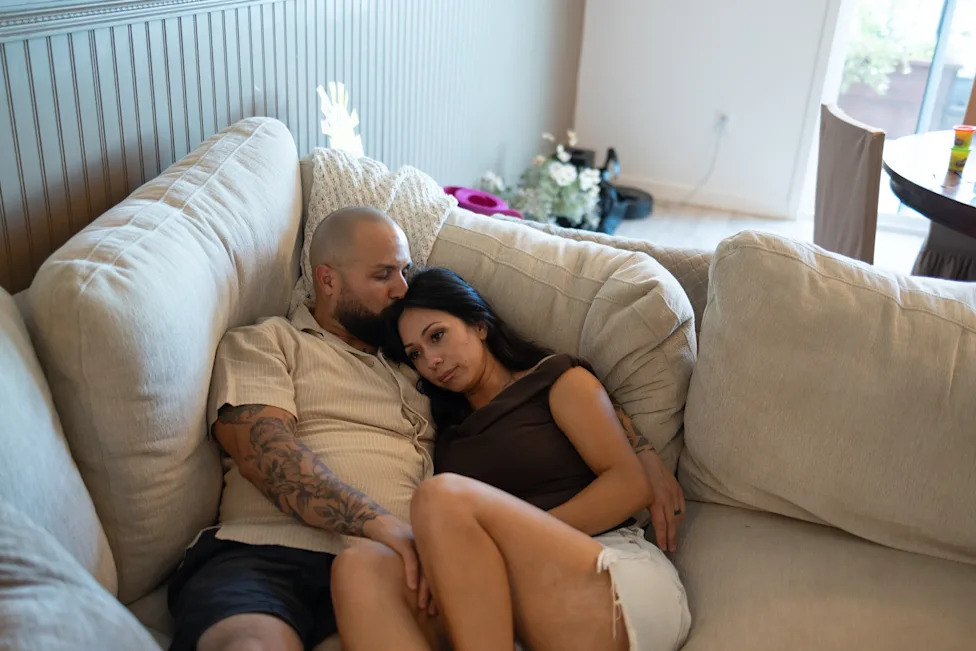
On the hardest nights, after their children were asleep, he and Annie would retreat to the bathroom at the far end of the house. They would slide onto the floor, hold each other and cry.

Driving alone sometimes, Annie found herself having thoughts that frightened her.

"I thought, what if I just hit the accelerator and turned the wheel a little …" she recalled.

The thoughts were less about death than escape. She wanted to live but could no longer imagine how to keep living this way.

One night in November of that year, she walked into the bathroom, grabbed Daniel's clippers and shaved off her long brown locks. Looking back, she said she can see the panic on his face at that moment. But at the time he just offered to help, and she politely declined, saying it was something she needed to do on her own because it was "on my bucket list." The gesture solved nothing. But for a few moments it gave her something she had not felt in a long time: control.

That Christmas, she downed too much wine, which was very unlike her, and broke down in front of her extended family: "I can't do this anymore."

Not long afterward, a cousin, who is a nurse, called to check on her. "Do you have hope for the future?" she asked, a question medical professionals often use to screen for thoughts of depression or worse.

Annie didn't answer.

Instead, she began to sob.

Annie's cousin helped her find a therapist. She went for about a month. She wasn't opposed to therapy but left each session frustrated by explaining a world the therapist couldn't quite see.

She couldn't change anything related to Ava's care, but she could change other things.

The way back was less a breakthrough than an accumulation of small decisions.

Annie began dancing again. She signed up for poms, jazz and funk classes in Sacramento and danced at home with the children, telling Alexa to play Meghan Trainor or Taylor Swift and spinning down the hallway.

"It felt poetic," she said. "When I dance even a little bit, I'm showing up for the younger version of me."

Other changes were almost comically small: She warmed her pillow with a heating pad before bed, made time for a skin care routine. She learned to let things go, pulling her younger children out of afternoon jujitsu classes and finding that they delighted in their unprogrammed '90s-style afternoons even better.

Because Ava's condition made travel impossible, Daniel helped Annie build a life that asked less of the outside world. Their weekends filled with tending blueberry bushes and olive trees and decorating projects.

Annie had also begun posting pieces of her life on Instagram and TikTok. Most attracted little notice.

In April, one of them, about their school-morning routines, took off.

The video begins with Annie braiding Ava's hair. Without warning, Ava throws her head backward and strikes her mother in the face. Annie recoils, then keeps going.

"You're giving your best," she tells the camera. "But some days it just gets you. And today was one of those days."

The video eventually drew 7.7 million views and more than 228,000 likes.

Soon, Annie was hearing from parents, caregivers and people with disabilities she had never met. "Feeling seen," one person wrote. Another commented, "I've never seen another family actually show this side of it."

Some others criticized and judged. She tried not to be upset about those, she said, "For the communities that don't live this life or have access to it … those communities were seeing a reality that they've never seen."

The platform did not solve Annie's problems, but it eased her isolation.

Annie kept posting.

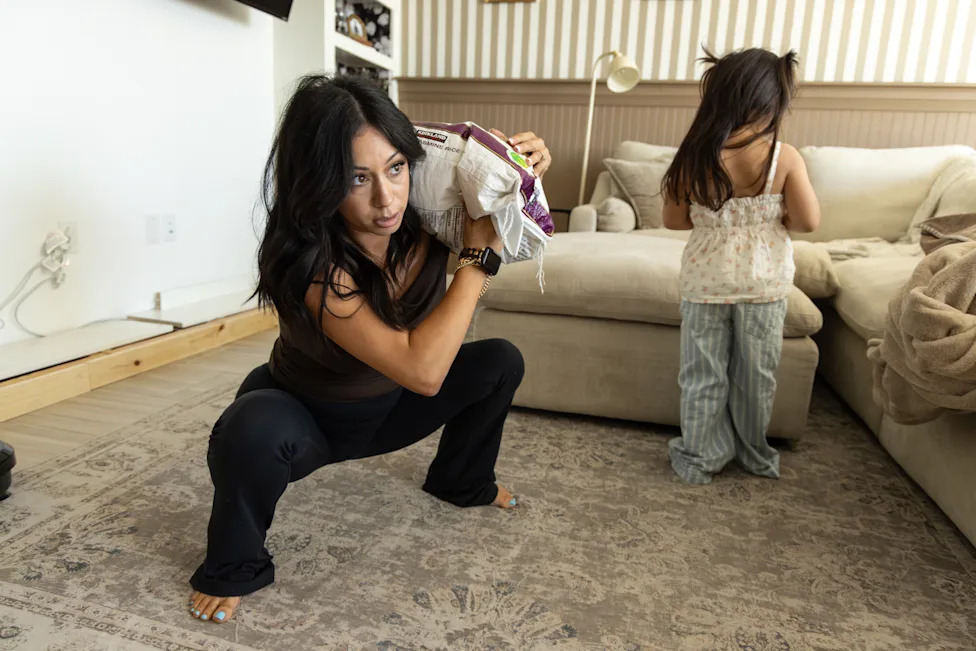
On a recent weekday morning, Annie set up her phone in the living room and hoisted a 25-pound bag of Costco's Kirkland jasmine rice onto her back.

She began squatting. The bag lurched slightly with each movement.

"It's better than weights," she said, turning toward her phone, which was on a tripod. She explained that unlike a dumbbell, the rice shifted unpredictably, more like a squirmy teen.

The clip would later end up on TikTok, where Annie now posts several times a week.

"I look at it as I'm going to war with the syndrome that is trying to burn me out," she said.

Annie knows there are decades of caregiving ahead. Increasingly, she finds herself wondering where Ava's siblings will fit into that future - whether Brody and Naomi will one day help care for their sister. For now, they are only beginning to understand that Ava's life is different from theirs.

Brody, a blond version of his father, is the chill, protective one.

Naomi takes after Annie. Headstrong and constantly in motion, she is always asking questions. One recent weekend, Brody and Naomi were going to spend a few hours with Daniel's parents. Ava wouldn't be joining them. As Annie and Daniel explained the plans, Naomi asked, "Why does Ava have to go to day care?"

The evening routine is difficult with Ava even on good days.

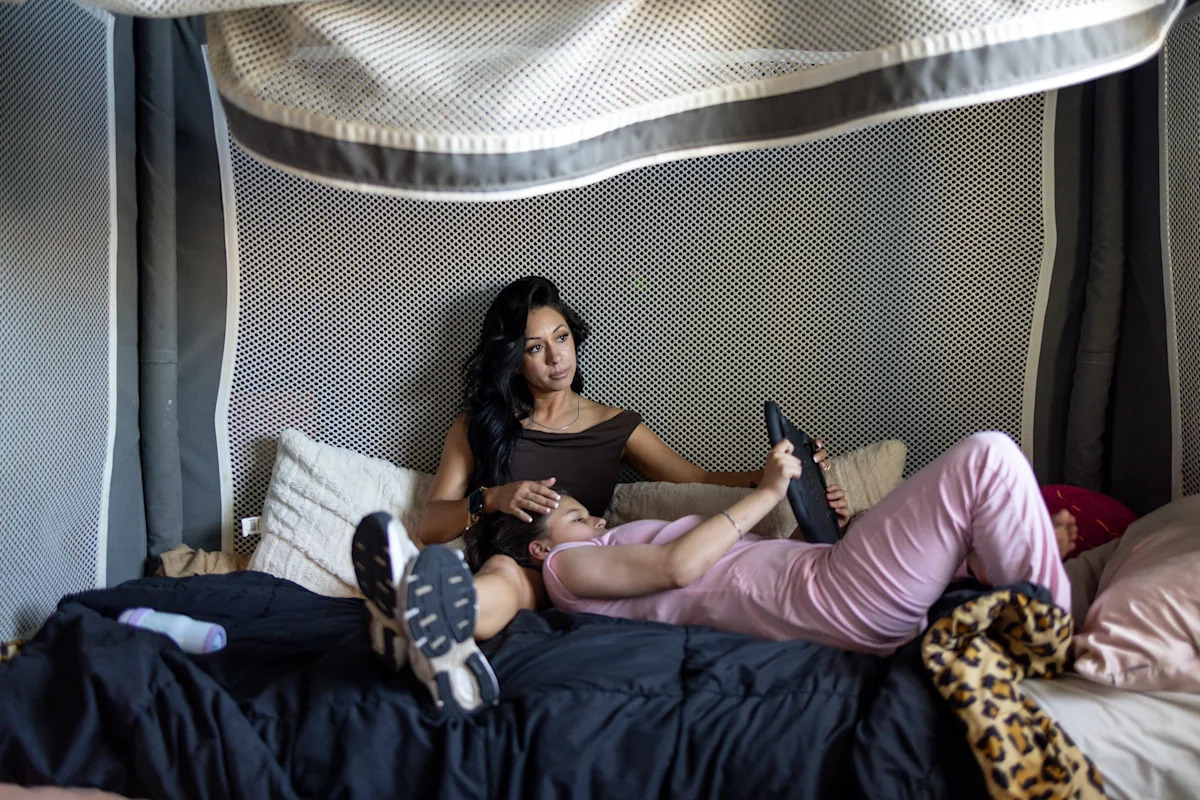
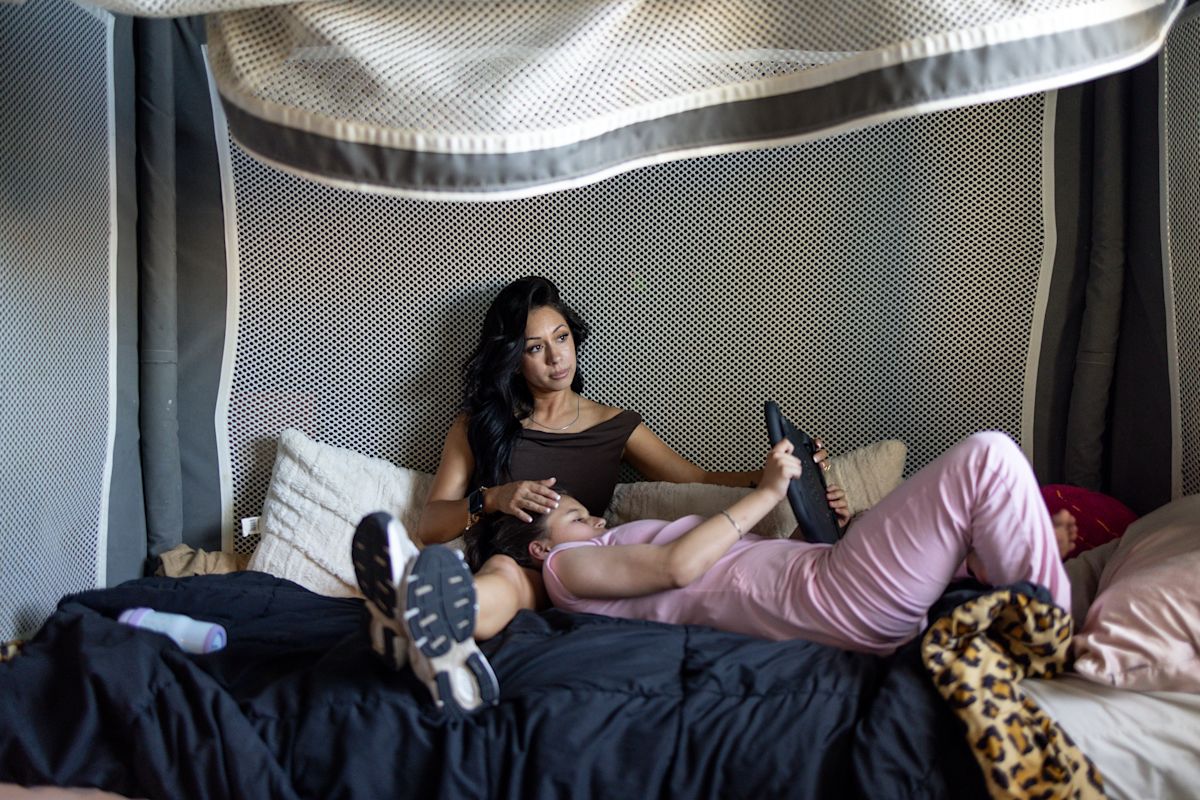
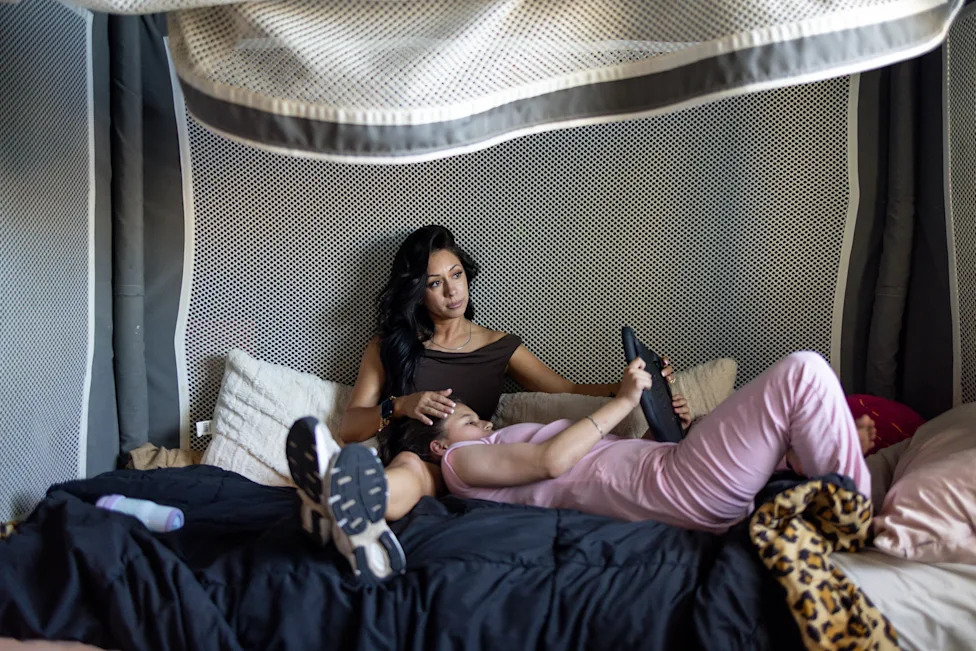
First comes the bath. Then clean clothes. Eventually, Ava is zipped into a specialized safety bed, an essential hand-me-down from another family because Ava tends to wander at night and is unsteady. In October, she sprained both ankles after sliding out of the bed.

On a recent evening, the trouble started after the bath.

As Annie tried to help Ava into her back brace - she has scoliosis - and pajamas, Ava became agitated. She screamed, pulled Annie's hair, tried to bite. Daniel came running over. The two of them wrestled with Ava to keep her from injuring herself while they finished getting her dressed.

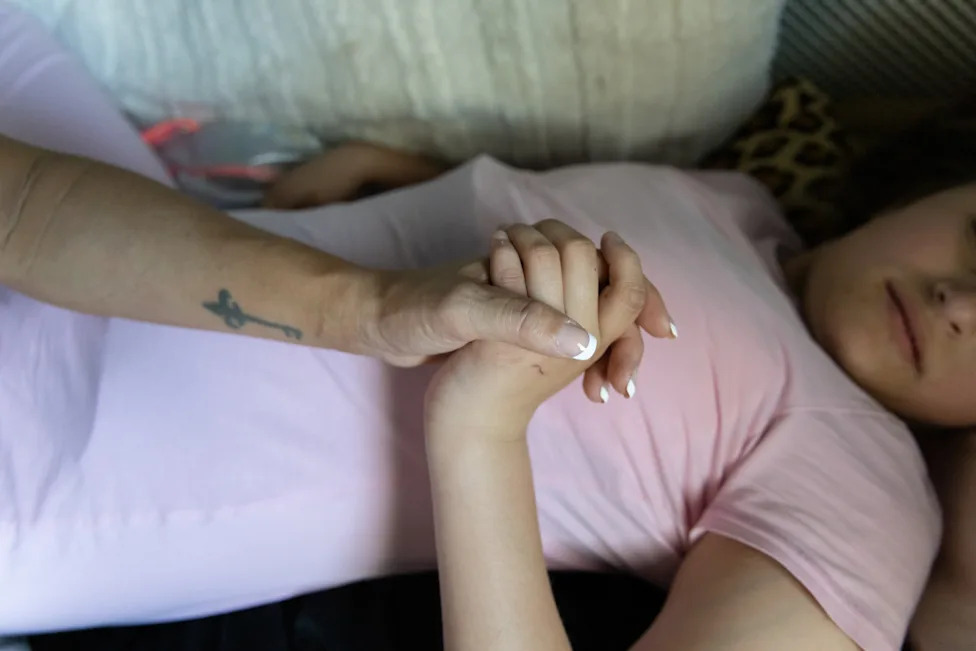
When it was over, Ava began to cry. Annie did, too.

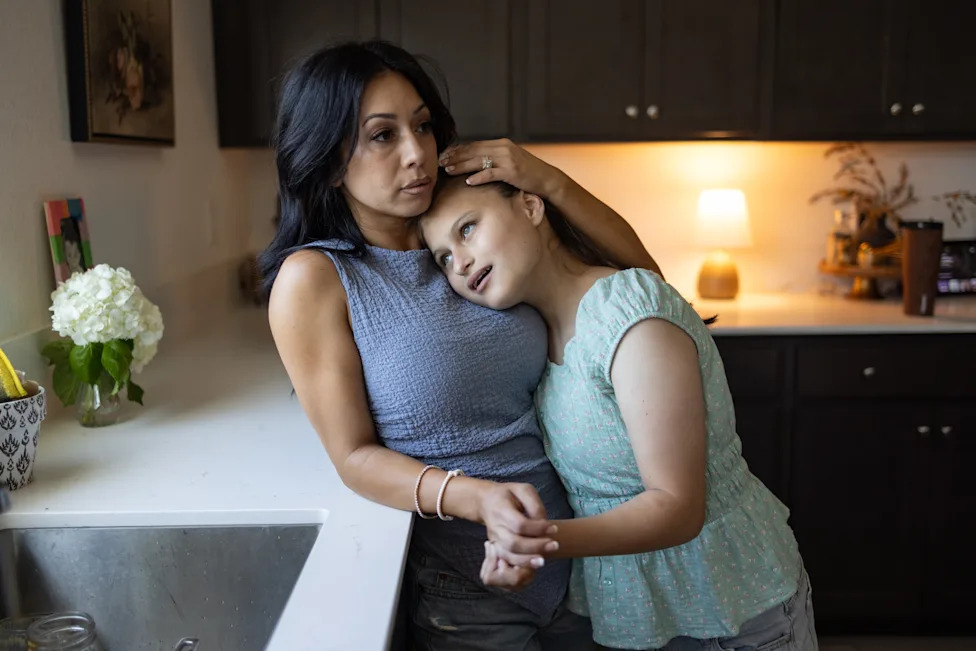
She pulled her daughter close and closed her eyes. When she opened them again, Ava's face was still wet with tears, but she was also smiling.

Editing by Lynh Bui. Photos and video by Rachel Bujalski. Photo editing by Thomas Simonetti and Dominique Hildebrand. Video editing and production by Drea Cornejo. Design by Betty Chavarria. Copy editing by Carey L. Biron.

Related Content