buzzfeed Press
8 Fascinating "Avatar Aang: The Last Airbender" Behind-The-Scenes Stories From Star Eric Nam
Images
1 / 14
2 / 14

3 / 14
4 / 14
5 / 14
6 / 14
7 / 14
8 / 14
9 / 14
10 / 14
11 / 14
12 / 14
13 / 14
14 / 14
From discovering his speaking voice was the perfect Aang to never seeing a full script, star Eric Nam shared fascinating behind-the-scenes stories about “Avatar Aang: The Last Airbender.”

I’m a pop-culture writer covering everything from TV and movies, to music, Broadway, books, and games.

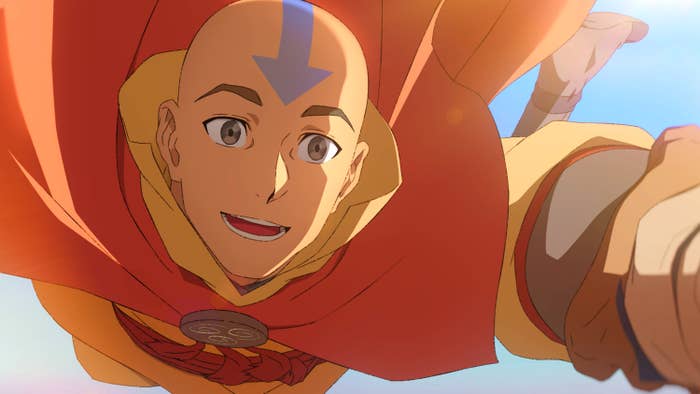
In Avatar Aang: The Last Airbender, Eric Nam steps into the iconic role, bringing a grown-up version of the Avatar to life while putting his own spin on the beloved character. And, as Eric revealed when I spoke with him, becoming adult Aang wasn't as simple as trying to recreate the voice fans already knew.

To celebrate the release of Avatar Aang: The Last Airbender, we sat down over Zoom to discuss finding his version of Aang, recording the film's most intense scenes while on tour, and some of the biggest surprises he discovered along the way.

Eric: Sad to say, I did not watch it when it first came out. I think I was in college at the time, without a TV of my own. This was before anything was streaming, and so I didn't have access. But for my youngest brother, Brian, it was like his childhood show, so I'd always see Aang and the characters pop up randomly.

When I went through the audition process, that's when I had the opportunity to dive in and really fall in love with the characters and the stories. There's such an incredibly warm and amazing fandom around Avatar. So I'm a little late to the party, but here I am. I'm fully in it, and it's really great.

Eric: I think I blacked out when I got the part. My agent called me, and I had a little freakout moment. But it really hit me when I walked into the first proper recording session. There were a lot of eyes on me, and I was like, "Oh, right, this is it. This is the film. This is Aang."

(Laughs) I have to say, the first recording session was very embarrassing. Finding Aang's actual voice and having never really voice-acted to this extent was a little daunting. We'd do some lines, and then we'd do "efforts," which are basically grunts and punches and all of those sounds. You just sound like a crazy person — you're groaning and moaning and huffing and puffing.

It was that first session where I realized, "Wow, there are so many people who are working on this. There's such a massive fandom around this. I really have to do a good job." So, yeah, the process was a bit scary, and it took me a while to ease into it and find my stride.

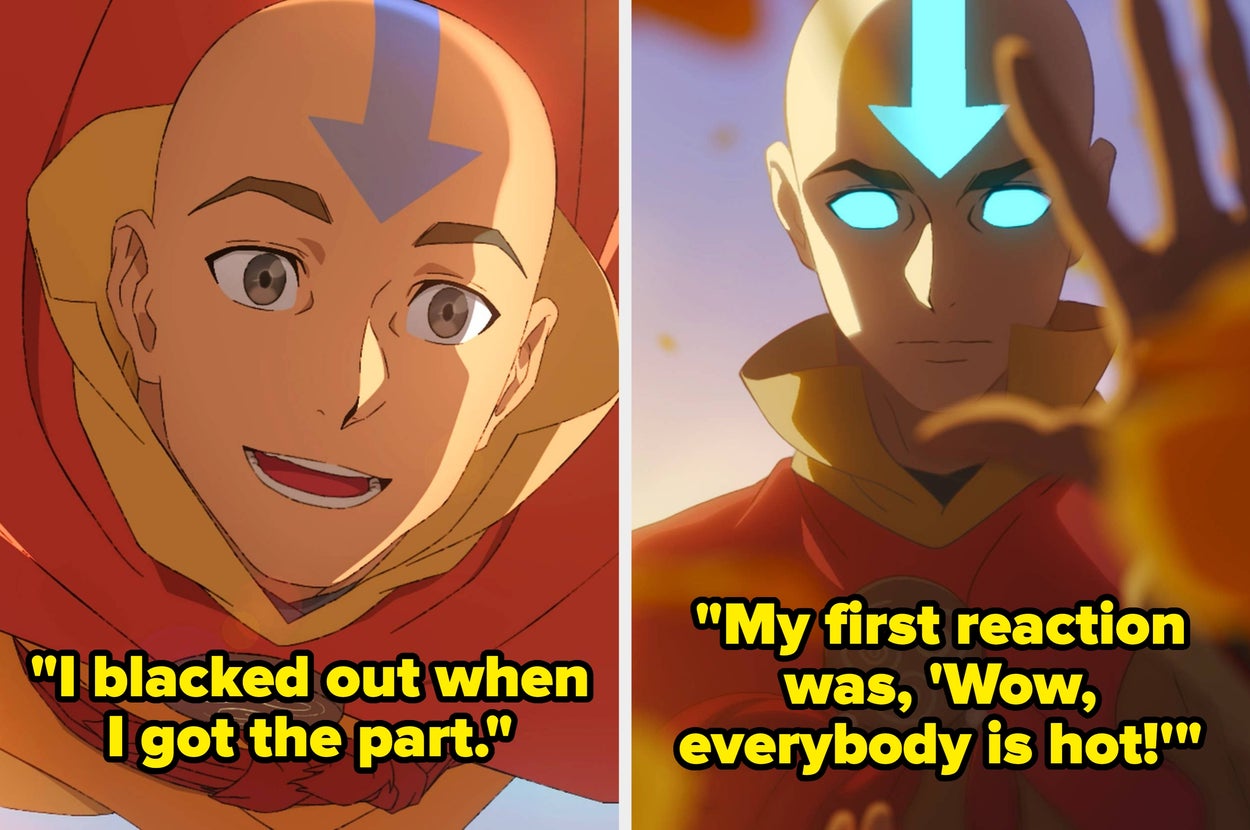
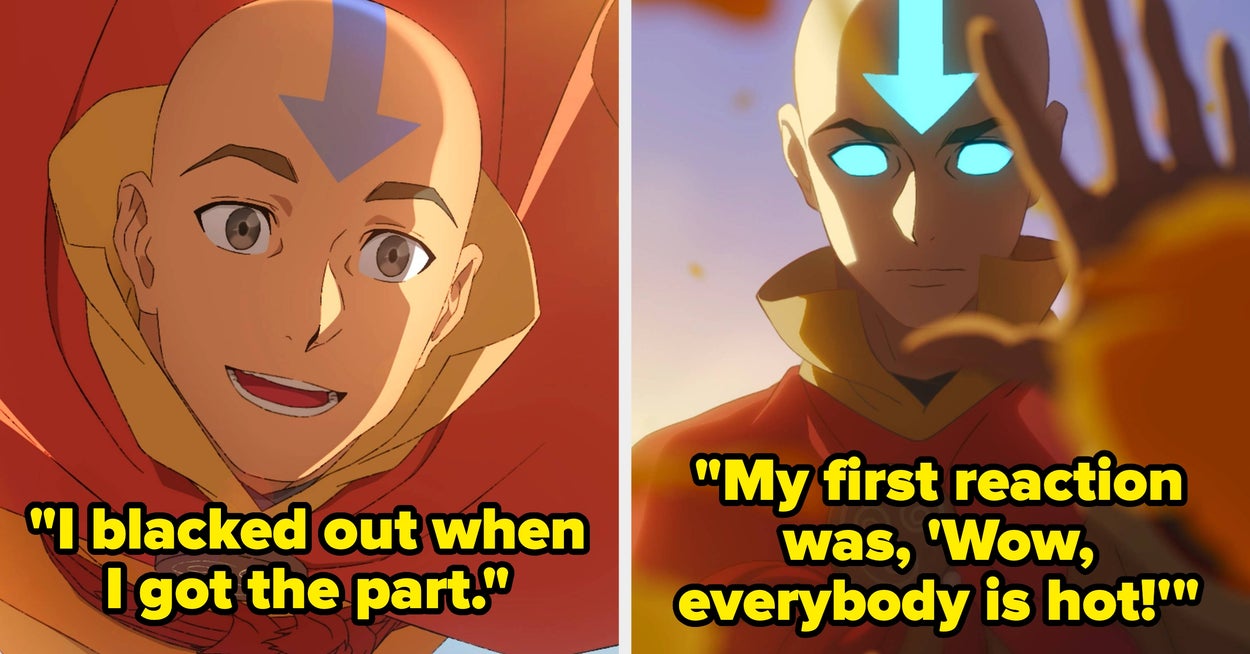
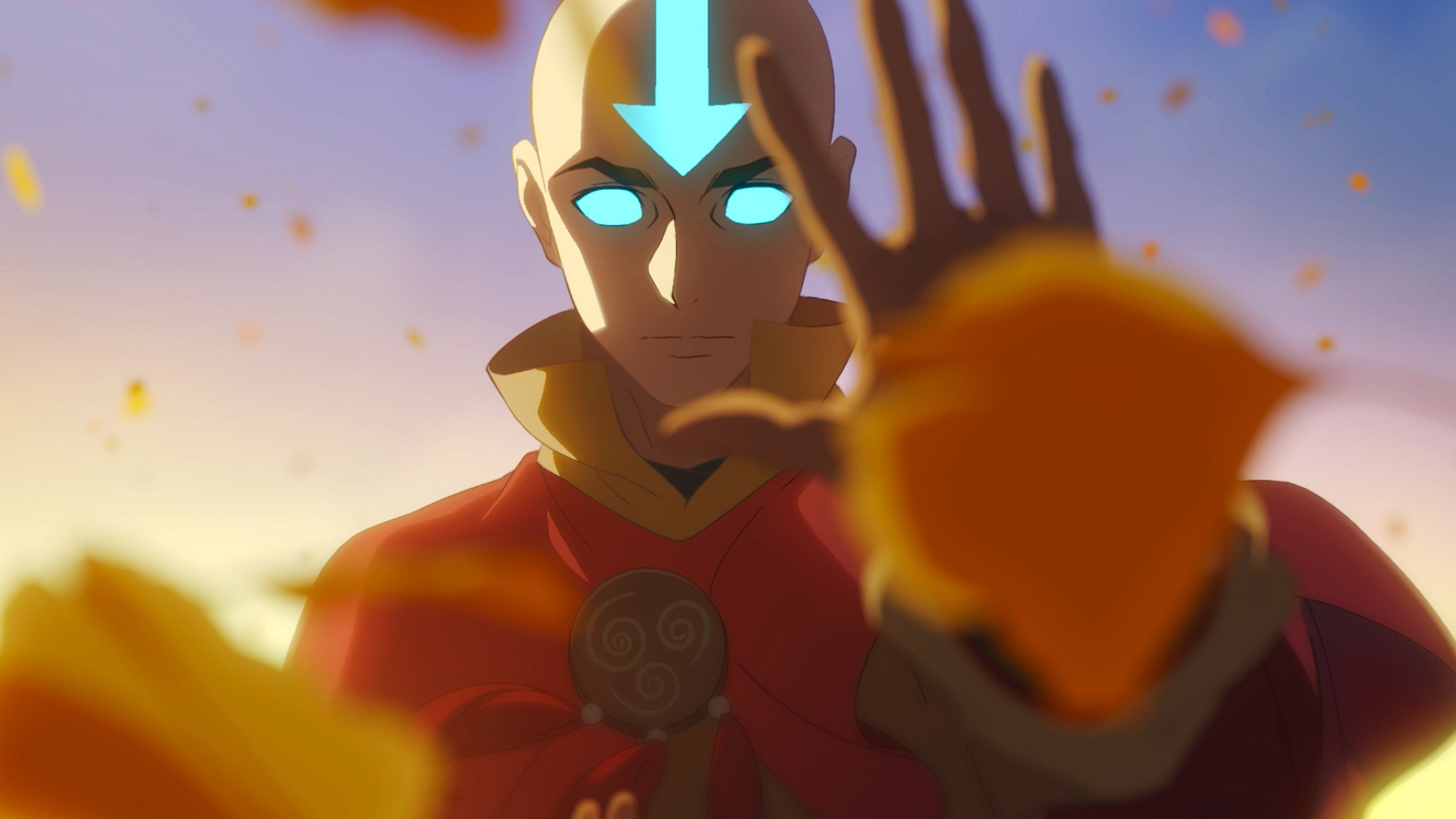
Eric: The animation is beautiful. Everything about this film is so pretty. In the beginning, they only showed me little clips or little sketches. I was almost halfway through when I saw an actual completed scene, and I was like, "Wow, everybody is hot! Everybody's ripped." I was thinking, "Aang is like a six-foot-tall, hot dude with ripped abs, and I'm a tiny little Asian guy — I need to go work out!"

Eric: When I was finding Aang's voice, I had to stop relying on the original series. If I wasn't very conscious about it, I found myself going back or trying to recreate the voice that we all know. They would be like, "Whoa, whoa, whoa, it sounds too young, it's too happy."

Then I started going the opposite way, talking more deeply and seriously. They're like, "No, we just want you to talk the way you talk. Your voice is Aang." That was a very weird moment for me. I was like, "What do you mean?" They said, "Your normal talking voice is Aang. So just do that. Just give us the emotions that are being asked of you on this paper."

That was a very interesting process of going from young kid to overly serious guy to just getting comfortable with my speaking voice. I'm used to hearing my singing voice, but hearing my talking voice is very different.

Eric: I was in the middle of a tour as we were doing the recording sessions. So I'd be touring the world, and then I'd fly in for a day or two. Early in the process, I was very cautious about how I used my voice because the last thing I would want to do is damage my vocal cords by screaming "Tagah" a billion times.

But once we got off tour, I was like, "Listen, we can do whatever we want. We can scream. I can yell." I started making sure that if I was booking a session, I didn't have a show, a concert, or another recording for a few days afterward. The scheduling didn't allow for that at the beginning, but in retrospect, I would have done it that way from the start.

It was always top of mind to protect my vocal cords, but also to make sure that I'm giving as much feeling and oomph and all the emotions as possible. The production team and [director] Lauren [Montgomery] were very kind and understanding.

I think my voice actually settled into a different place once I got off tour. We'd go back and nitpick certain parts, and I'd be like, "I feel like we could do this in a darker, more mysterious, or more mature way." I was able to lean into it a bit more.

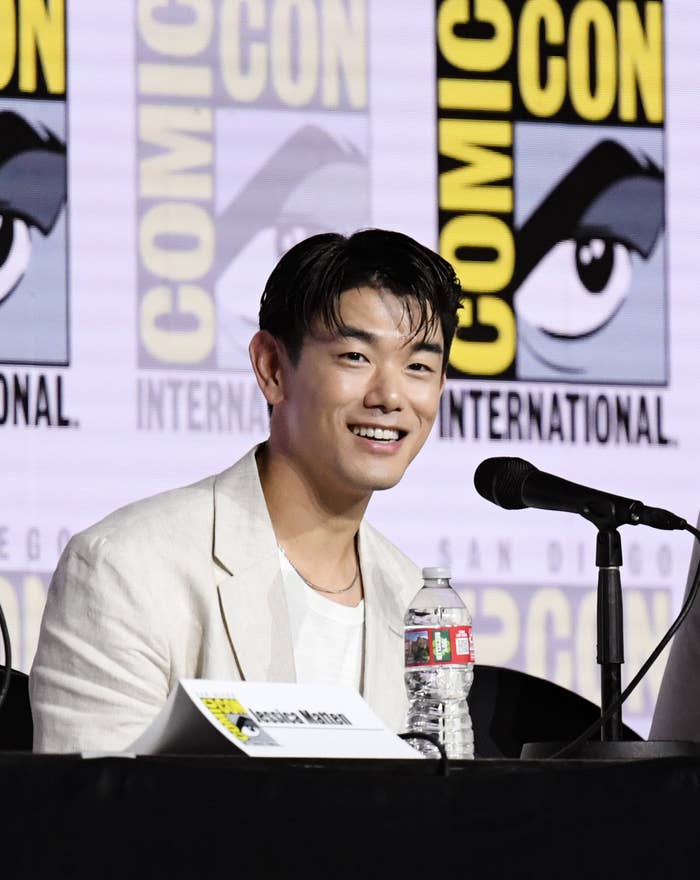
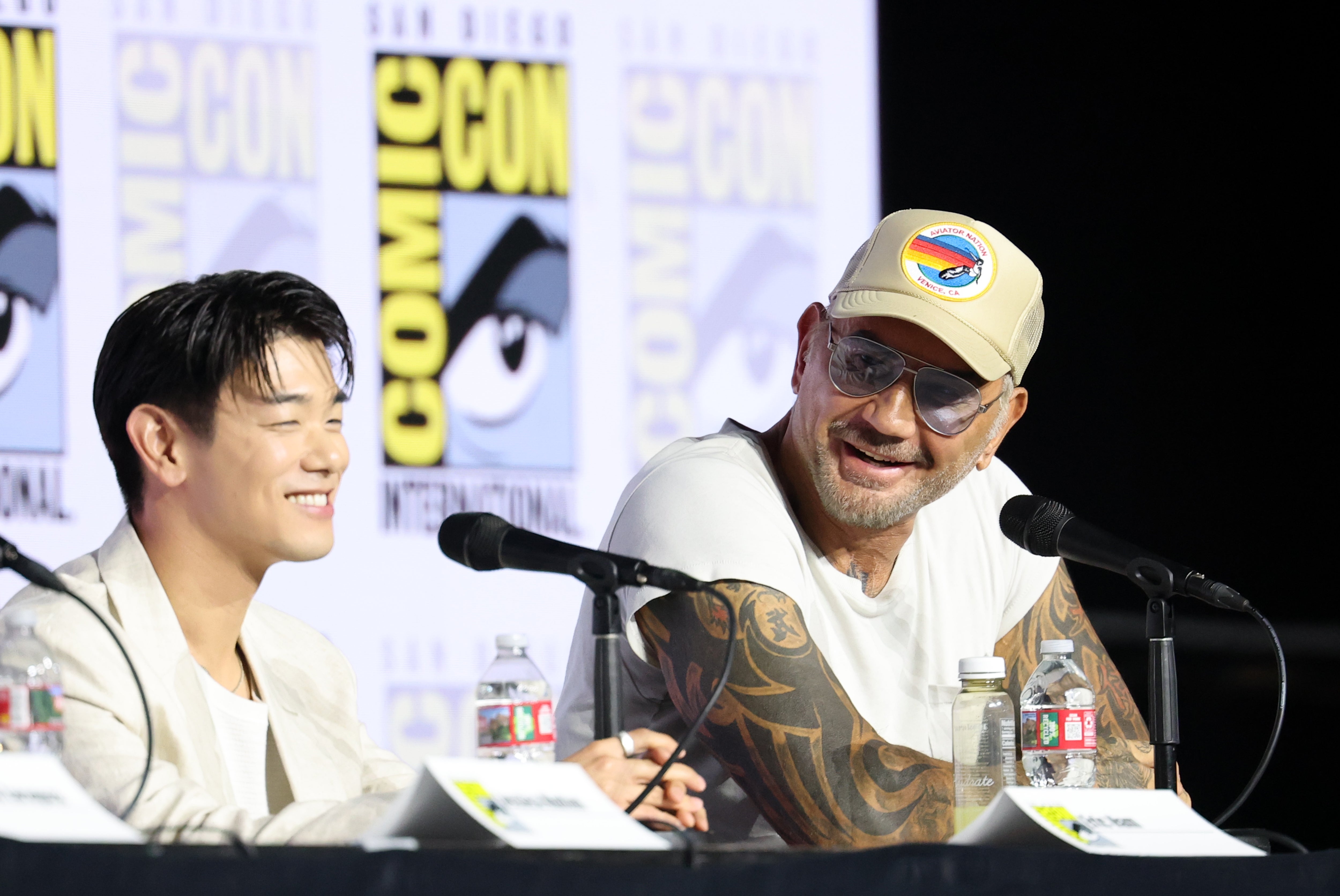
Eric: The wild thing is, Dave Bautista and I actually met for the first time at Comic-Con.

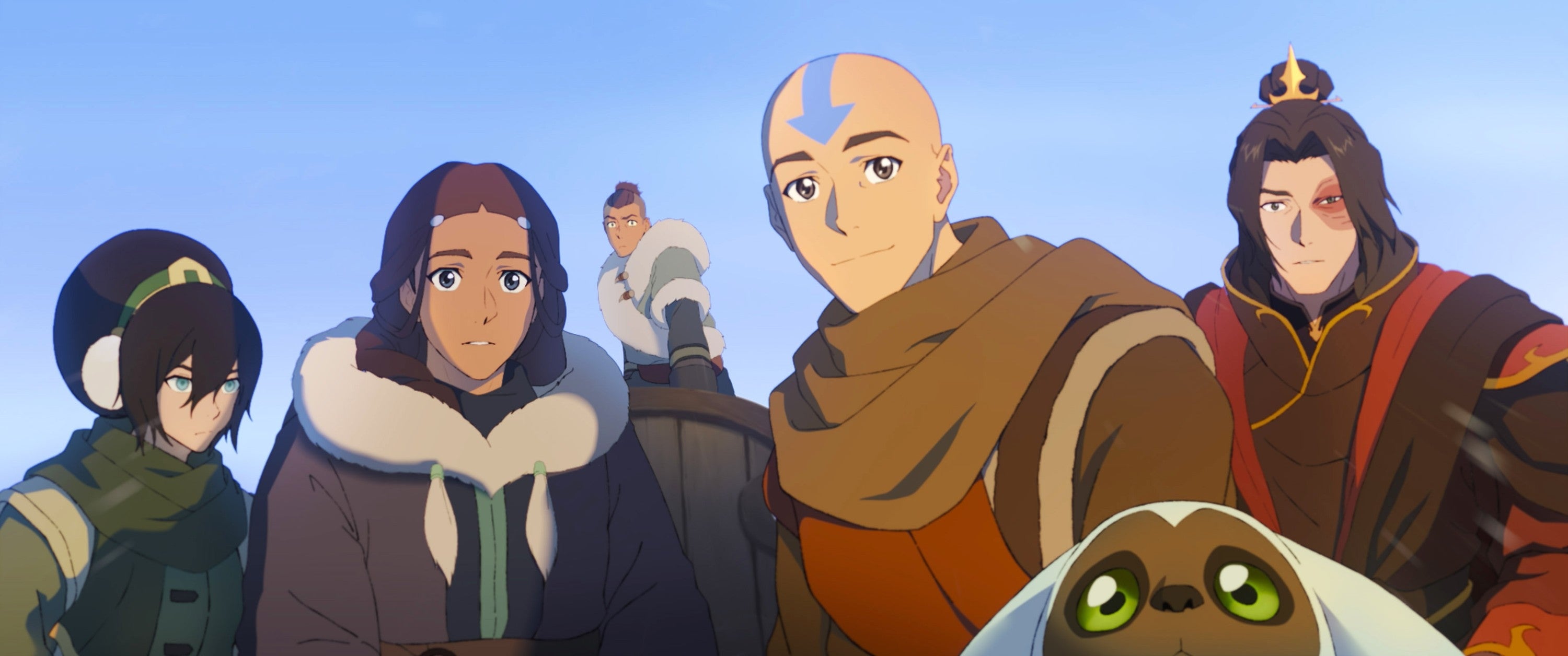
Even Steve Yeun [Zuko] and I have known each other for years through mutual friends, but we've never met in the context of this film. When I was cast and knew Steve had been cast as well, we were at a gala, and the news wasn't public yet. He was like, "Hey, we're working together!"

It would have been so cool if we were all recording together, but since everybody's doing multiple things around the world, we would all come in independently.

We relied so much on Lauren and Latifa [Ouaou], our producer, for context. They were the ones who knew how something should be delivered, and usually, it was me doing the first pass. At a certain point, I got to hear Dave's part, and that gave me more context, and then we would build. I would come back in and do it differently, and it was kind of like this back-and-forth remotely. But it would have been so cool if we could have done it together.

Eric: We didn't really do any improvising during recording. When I'm doing a live-action film, I improvise a good bit. I'll give them the take that's on the script, and then once we have that — or if I feel like it's not working — I'll improvise something. In this case, because there are animators drawing by hand all around the world and so many different moving pieces, we did our best to stick to the script as much as possible.

Another fun fact is that, to this day, I've never seen the full script. I never got one. They would be like, "This is what we're working on this week. Please read through this," and it would be bits and pieces of random scenes, so I would have no idea what was happening.

I'd be like, "What happened here? There's a new character. Is that Ke Huy Quan's voice?" It was really funny.

So I didn't get a full sense of the movie until the very end.

Eric: My reaction was, "Oh my God, this is so cool, and it's so beautiful." The animation is gorgeous. The sound and the music are so incredible. I think everybody did such a great job, from all the main characters to my friend Ronny Chieng, who plays the Fire Nation Messenger to Zuko. I didn't even know he was in it. I was like, "Is that Ronny?" There were just so many fun surprises for me.

It was so cool to think, "That's my voice on screen with this beautiful movie and this incredible cast." I felt very lucky, blessed, and fortunate to be part of something so amazing.

Eric: The album is called Confessions of a Lonely Heart, and it's about loneliness. We're so connected through the internet and social media, but we're perhaps the loneliest and most disconnected we've ever been because we live through our phones.

The physicality of me being a musician and an actor and doing so many different projects is that I'm always traveling, oftentimes alone. I find myself in beautiful places and incredible destinations, doing really cool work with nobody to share it with.

I wanted to write about it and sing about it in a way that was like, "Life is beautiful. Life is tough. A lot of it can feel lonely, but we're gonna find our way through it."

The album ends with "Someday," which is a very optimistic, hopeful moment. It's about wanting to find love — wanting to find my people and my community. I've somehow ended up in Paris a lot over the past few years, maybe three or four times a year, for fashion shows, shoots, or concerts. It's a city of romance and love and all these whimsical things, but I always found myself so lonely. I'm always just at this table by myself, watching these beautiful people in love.

I was like, "This is sad. But someday I'll come back to Paris, and it'll be amazing. It'll be beautiful." That was the kind of inspiration behind it. And if you don't have it right now, someday you will have whatever it is you're looking for.

Pre-save Confessions of a Lonely Heart out October 2 and catch Eric on his upcoming tour.

Check out my 20th anniversary interview series with the OG cast:

- Bryan Konietzko/Mike DiMartino on creating Avatar