Press
Families' agonising search for answers as thousands still missing in Gaza
Images
1 / 20
2 / 20
3 / 20
4 / 20
5 / 20
6 / 20
7 / 20
8 / 20
9 / 20
10 / 20

11 / 20
12 / 20

13 / 20

14 / 20

15 / 20

16 / 20
17 / 20

18 / 20

19 / 20
20 / 20
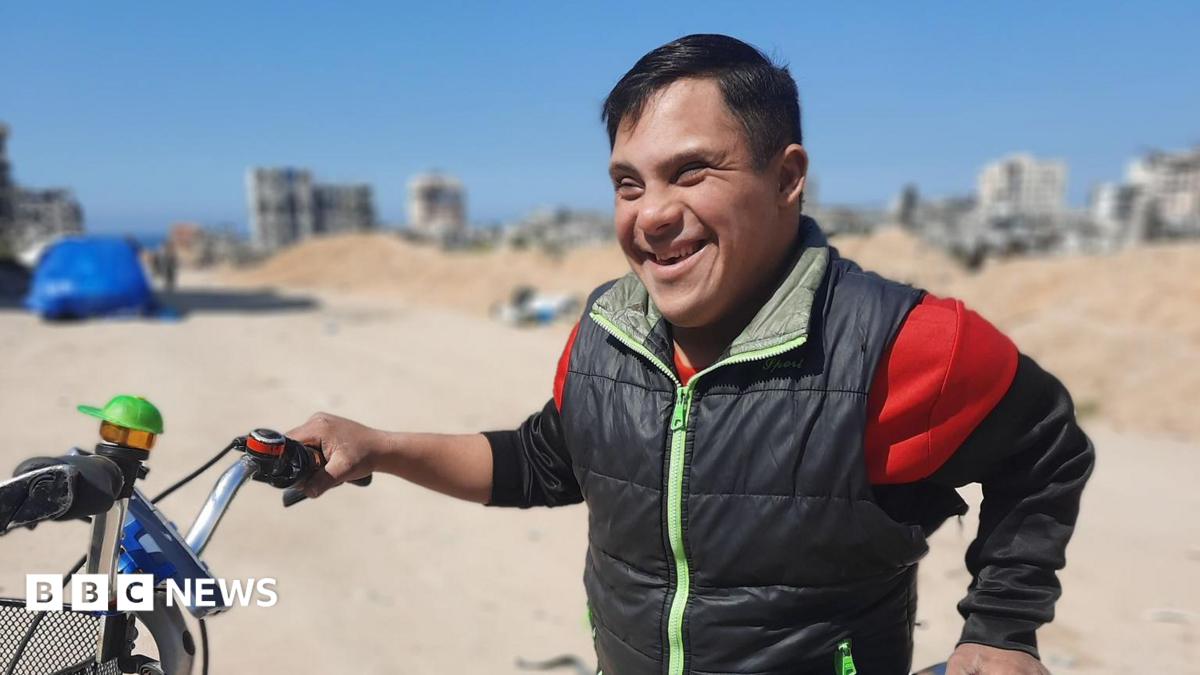
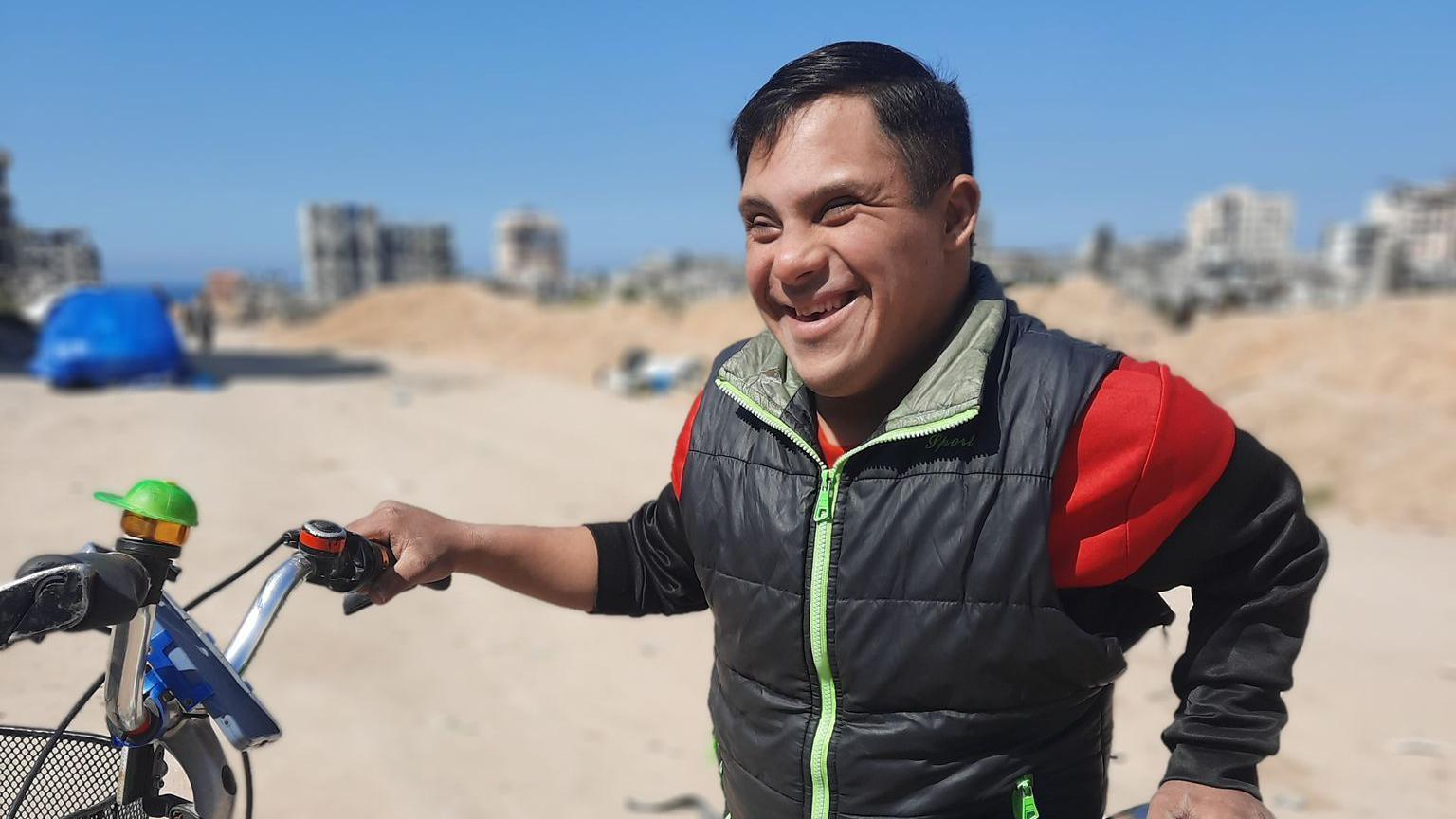
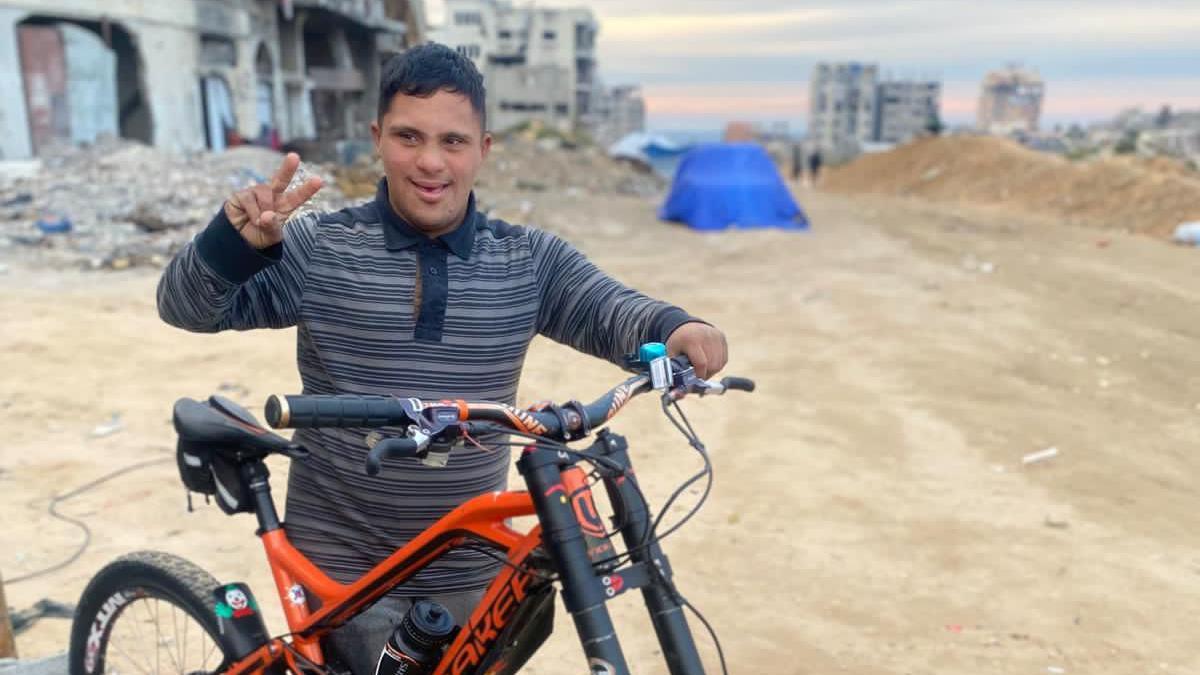
Ahmed al Madhoun, who has Down's syndrome, has been missing since May 2025

Ahmed al Madhoun looked like a man who, despite the hardship, loved life. A cheeky, chunky little fellow with an exuberant smile.

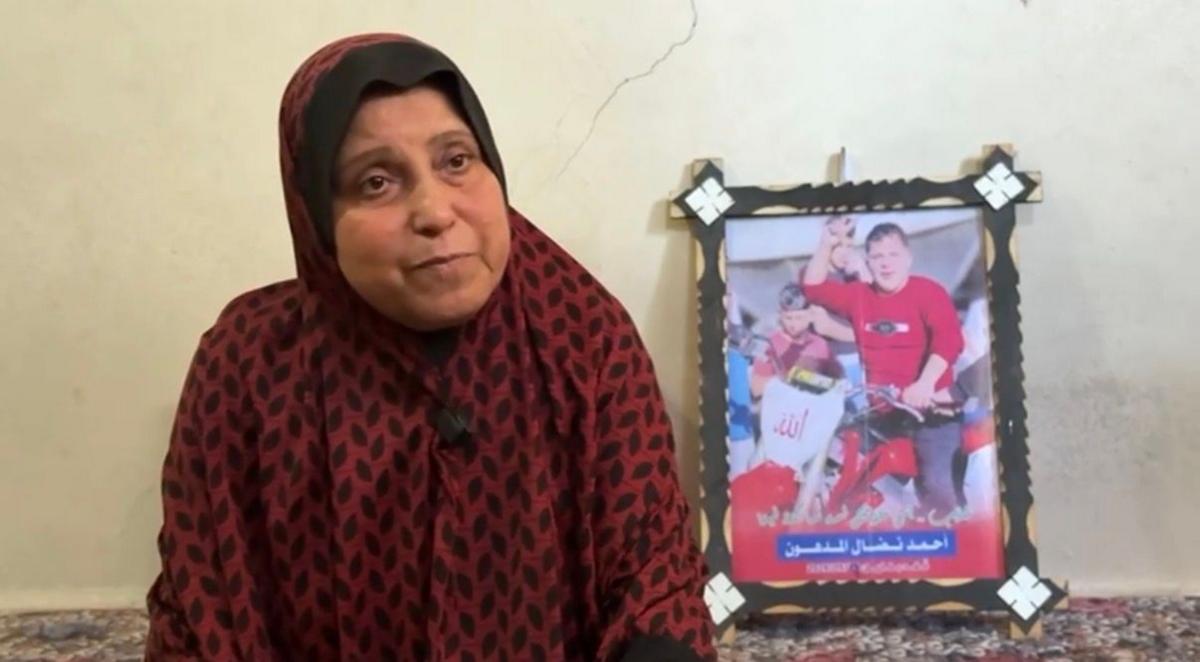
From her partially destroyed home in Gaza City, his mother Majdiya shows us videos of him on her phone.

In one, Ahmed is cuddling a kitten. He sticks out his tongue and squeals with glee. In another, he belly flops into a swimming pool, before emerging from the water grinning from ear to ear.

"Everyone was his friend," Majdiya tells the BBC. "He was loved wherever he went, and he always had a smile on his face."

But Ahmed, who has Down's syndrome, is missing. The 21-year-old disappeared in May 2025 after popping to the local shop.

At the time, the war in Gaza between Hamas and Israel was raging.

That day there were Israeli strikes in the area, and Majdiya fears her son is dead. But she doesn't know for certain.

"My God, I am not at peace," she says. "I have not lost hope but whether they find him alive or dead, buried under the rubble, only then will I be at peace."

Pain like Majdiya's is felt by mothers all over Gaza.

More than 73,000 people have been killed in Gaza since Israel launched its military campaign, including about 1,200 since a ceasefire was announced last October, according to the territory's Hamas-run health ministry - figures considered reliable by the UN.

Israeli media reported in January that a senior Israeli security source said the military accepts the figures are accurate.

But the true number of dead Palestinians could be significantly higher. The health ministry's death toll doesn't count bodies buried under the rubble, meaning many of the missing are not part of the count.

The Red Cross says it has received more than 5,000 requests to trace missing people who could be buried amid the destruction. The Civil Defence agency in Gaza believes the number of missing people is over 8,000.

Bodies are being discovered on a daily basis.

Earlier this month, a mass funeral took place in Gaza City for more than a hundred people killed in an Israeli attack in 2023. Their remains were only recently recovered and identified, allowing them to be laid to rest.

The Red Cross says recovering bodies is difficult given the scale of the destruction and a lack of bulldozers.

In many cases, identifying the remains is also challenging when people have been dead for so long and with a lack of DNA testing, due to Israeli restrictions on what can enter Gaza.

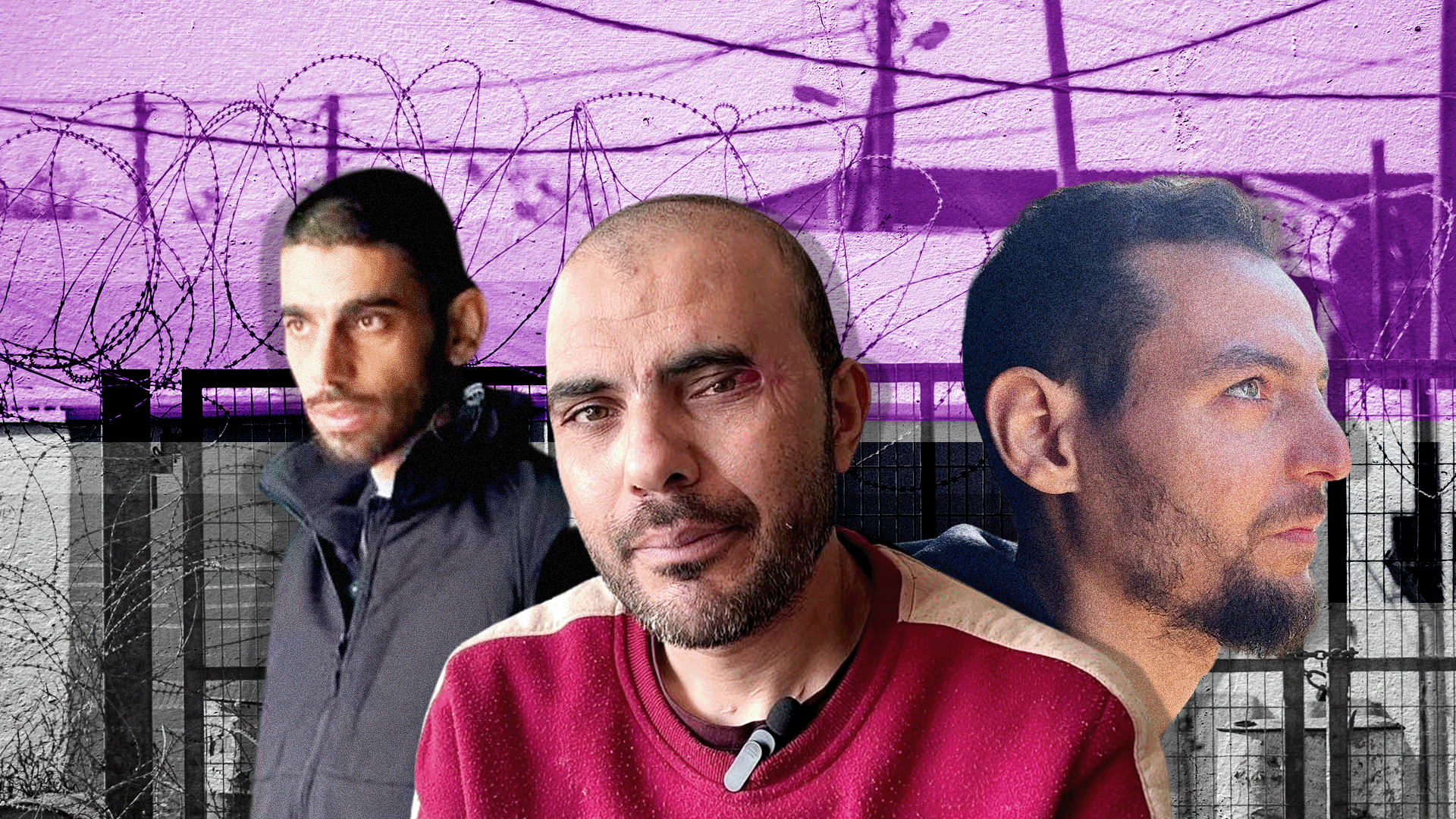
Ahmed al Madhoun's family knows he may well have been killed - but they also fear he may have been detained by Israeli security forces.

Majdiya al Madhoun has been searching for her son for more than a year

Over almost three years of war, Israeli forces have detained approximately 7,000 Palestinians from Gaza, more than 5,000 of whom were later released without ever being charged, according to the Israel-based Public Committee Against Torture, external.

As of this month, around 1,300 detainees from Gaza were being held in Israeli jails without charge or trial, according to the Israeli human rights group HaMoked. The group says these figures do not include Gaza detainees held directly by the Israeli military.

Palestinian families have frequently not been notified by Israel of the arrest or whereabouts of their relatives, according to HaMoked and other rights groups - forcing many to rely on NGOs and lawyers to help track them down.

The BBC has asked the IDF and Israel Prison Service (IPS) about their reported failure to contact relatives of those they have detained.

Israeli authorities have previously said prolonged detentions were due to wartime security grounds and rejected claims that detentions are arbitrary.

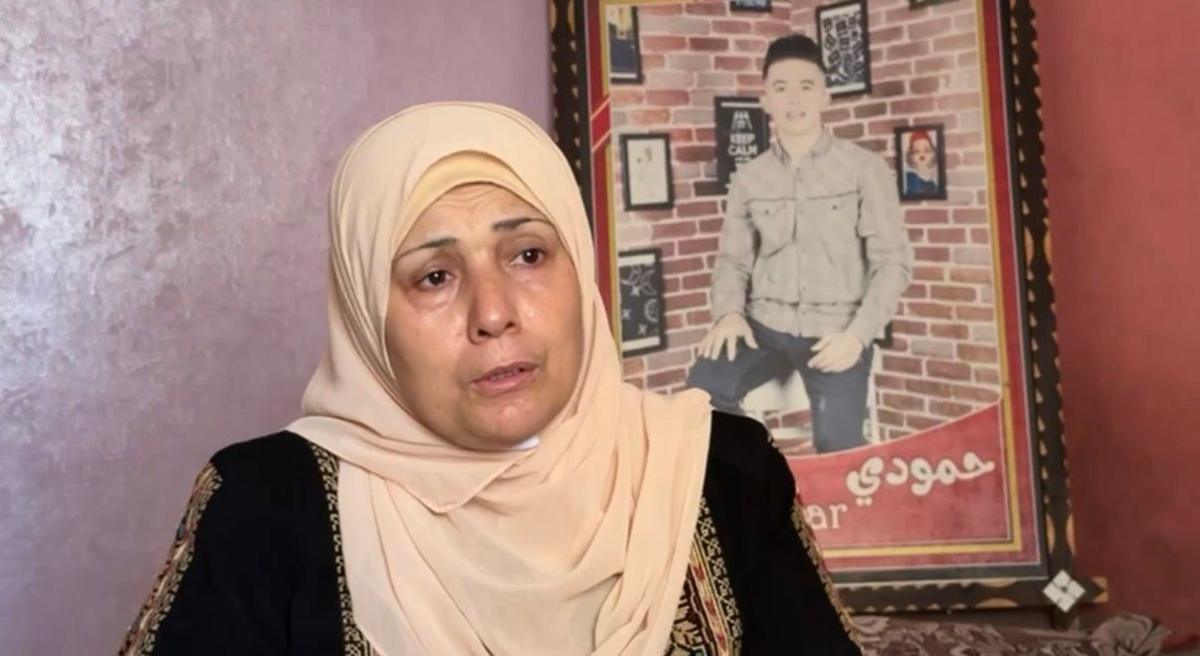
Aida al Drimli from the Sabra district of Gaza City, shows us a picture of her son, Mahmoud, a fresh-faced young man draped in a Palestinian scarf.

Aida al Drimli has been searching for her son since 2024

"He was a calm well-mannered young man," Aida says. "He loved everyone and everyone loved him."

Mahmoud disappeared in 2024. His family feared he had been killed in an Israeli attack.

"His father would go to the hospitals and look at the bodies," Aida tells us. "But I couldn't face it. I was completely devastated."

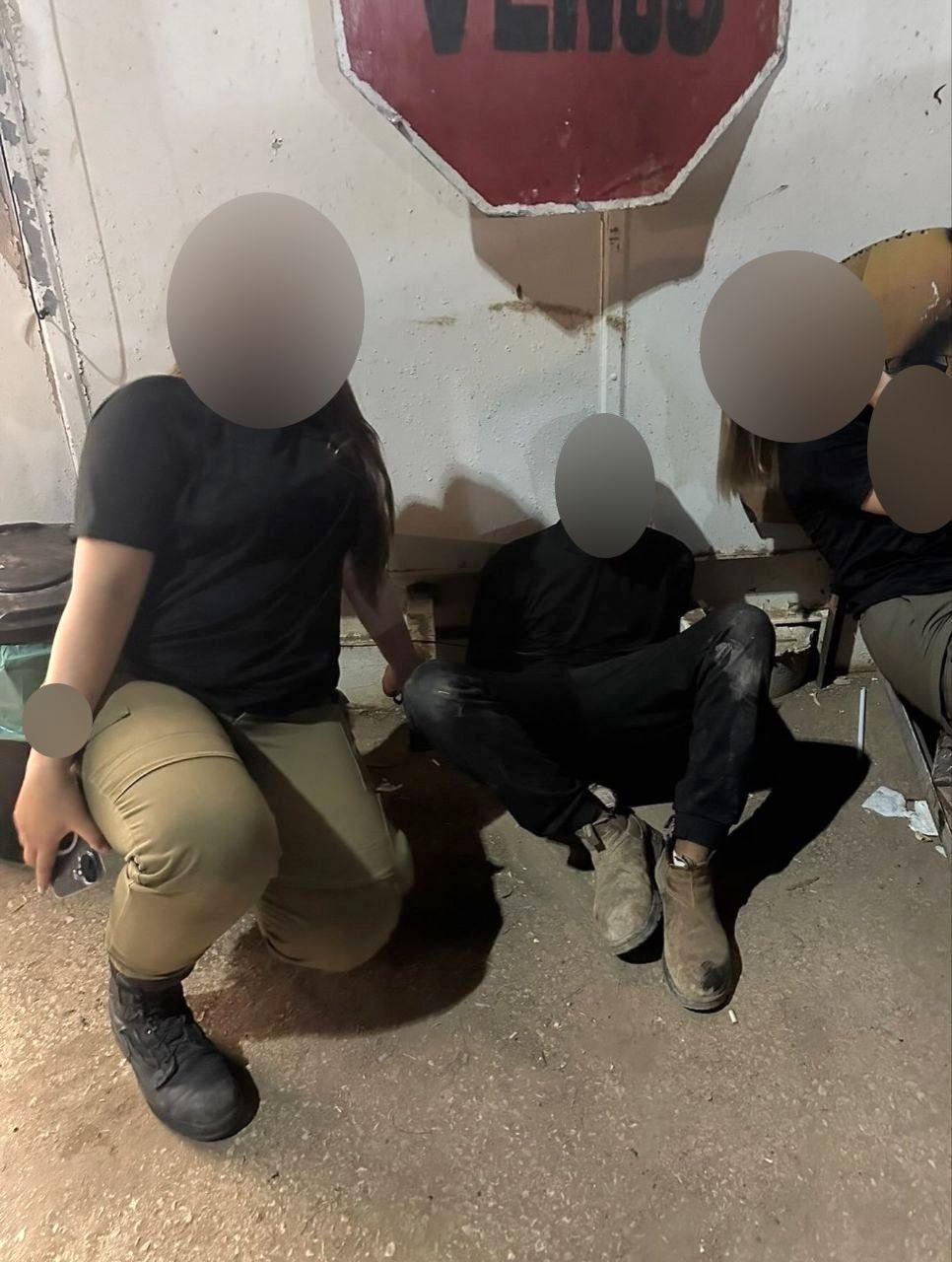
But then this summer a photo emerged on social media showing two Israeli soldiers posing with a Palestinian detainee, blindfolded and bound.

Aida is certain it's Mahmoud.

"From his features, from his forehead, his mouth, his nose, the way he sits, the way he closes his mouth, his hands, his legs from below. He has the exact same features as my son," she says.

Aida al Drimli believes this photo shows her son

But with only a single photograph she knows she can't be sure.

"When my husband sat down and showed me the photo, I was relieved," she says. "But at the same time, I was very upset and my heart was broken when I saw my son looking like that. It was humiliating."

Both the al Drimli and the al Madoun family say neither they nor their sons have any affiliation with Hamas or any of the militant groups in Gaza.

The BBC asked the IPS about both men. They said they had no record of holding either of them.

We put the same question to the Israeli military which also runs detention centres and prisons, but it did not give a response.

Israel does not allow international journalists, including the BBC, independent access to Gaza.

The Al Drimli family has asked the Red Cross to try to find out if Mahmoud has been detained. But Israel does not allow the Red Cross access to its prison records.

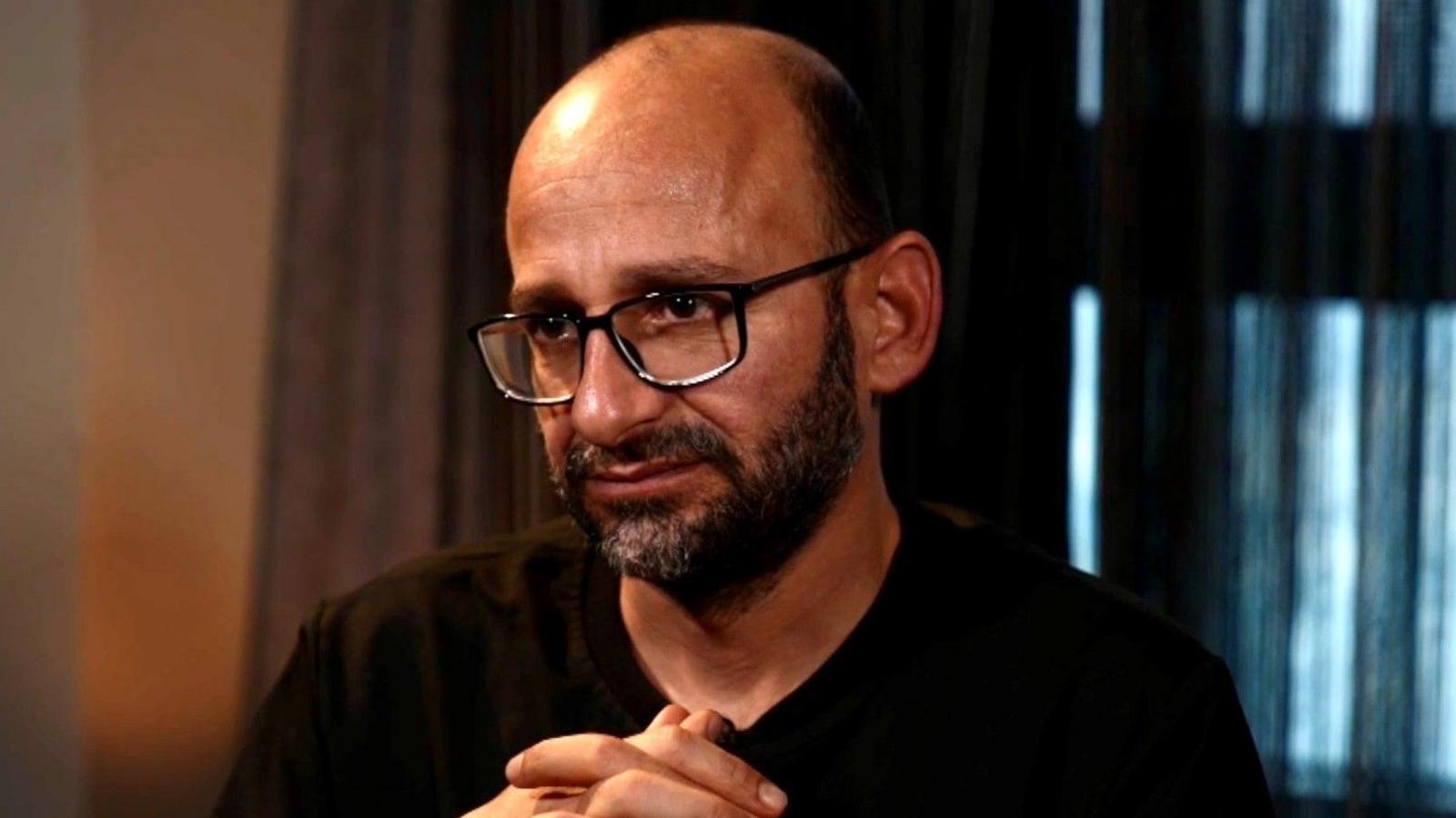
Tal Steiner, an Israeli lawyer who works to locate Palestinians who may have been detained by Israel, told the BBC "Oct 7th changed everything".

"The ban on the International Red Cross [visiting prisons] and the fact that the ICRC itself holds no lists of people held by Israel means we have to trace them individually one by one, per request by their families. It's a big strain on the ability to find those people, today."

She also says for the families, it's the not knowing that is the hardest.

"It's an open wound. It doesn't heal. They have no rest not even knowing if their relative is dead or alive," she tells us.

And she says over the last three years Israel has made it much more difficult to trace possible Palestinian detainees.

"To those not knowing where their family members are, that really adds insult to injury. It's a very difficult mental situation that can be carried for months and years."

Palestinians tell BBC they were sexually abused in Israeli prisons

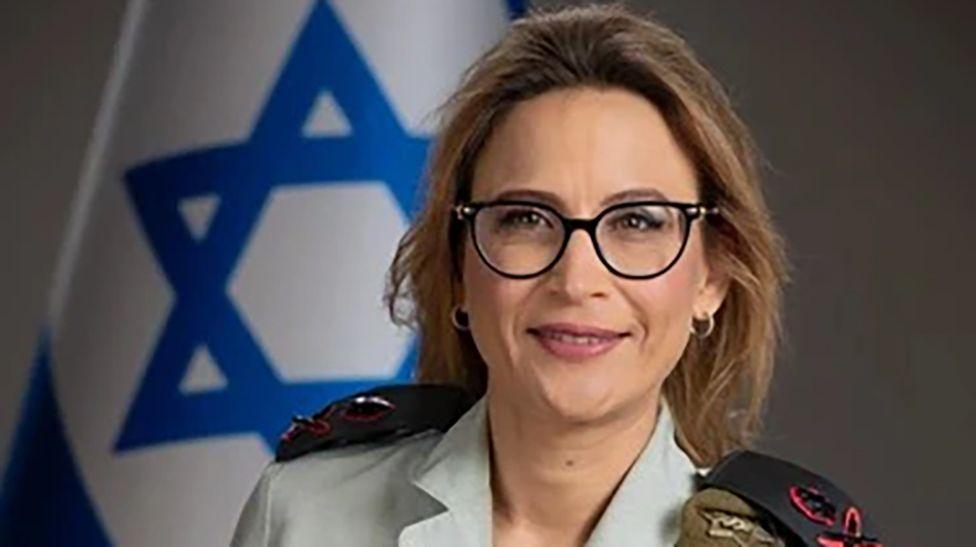
Israeli military's ex-top lawyer arrested over leak of video allegedly showing Palestinian detainee abuse

Chemical burns, assaults, electric shocks - Gazans tell BBC of torture in Israeli detention

Kushner hails 'very good' meeting with Netanyahu after Hamas talks on Gaza peace plan