foxnews Press
Mystery voicemail scam can hit without your phone ever ringing
Images
1 / 20

2 / 20
3 / 20

4 / 20

5 / 20

6 / 20

7 / 20

8 / 20

9 / 20

10 / 20

11 / 20

12 / 20

13 / 20
14 / 20

15 / 20

16 / 20

17 / 20

18 / 20

19 / 20

20 / 20
Kurt "CyberGuy" Knutsson explains how a mystery voicemail scam can shows up on your phone multiple times without notice.

It starts quietly. Your phone buzzes with a voicemail notification. The strange part is that your phone never rang. Then it happens again. Before long, your voicemail inbox is filling up with messages you never heard come in. That's exactly what Mike from Westport, Connecticut, is dealing with right now. He wrote to us saying:

"I am so upset. Every 20 to 30 minutes, I am getting voicemails, but what's weird is my phone never rings. After blocking the number, it just rolls over to a new source number. When I go to play the message, there is no audio. Is this a scammer just trying to get me to call them back? Not sure what the endgame is here. What can I do to stop this from happening? I really appreciate your help."

Mike's experience has the hallmarks of automated spam activity, but there is an important distinction. A voicemail that appears without your phone ringing does not automatically mean a scammer used a special "ringless voicemail" system. Your phone's call-screening settings, your wireless carrier's spam filters and automated robocalls can all produce a similar result.

FTC REVEALS WHERE SPAM CALLS HIT HARDEST

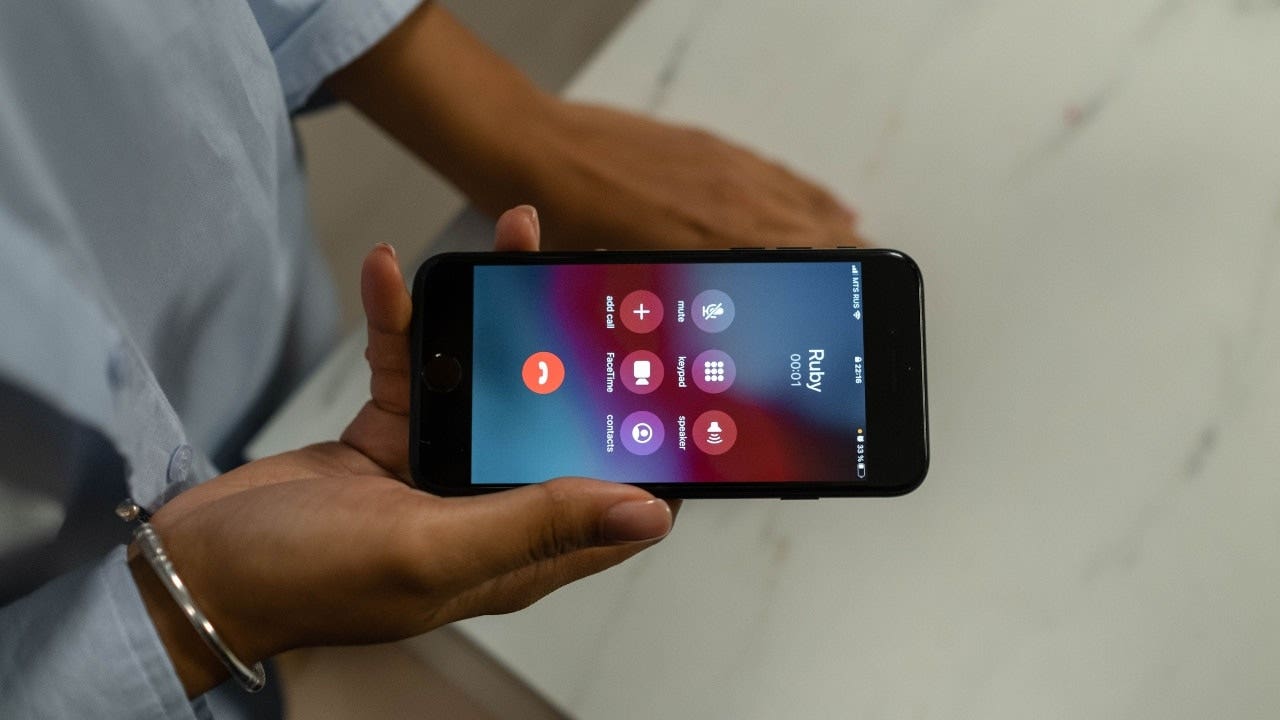
An unexpected call from an unfamiliar number can be the first step in a robocall or callback scam designed to get you to engage. (Kurt "CyberGuy" Knutsson)

The safest approach is to treat repeated unexplained voicemails from unfamiliar numbers as suspicious and avoid calling those numbers back. Here's what may be happening behind those mystery voicemails, why the numbers keep changing and what you can do to make them stop.

New! Free live CyberGuy class: Protect Your Money From Today’s Biggest Threats

Join us Saturday, August 29, at 10 AM ET for a free CyberGuy LIVE class covering five simple steps to help defend yourself against AI scams, fraud, identity theft and financial hacks. Kurt "CyberGuy" Knutsson will explain how to set up bank alerts, strengthen your account logins, protect your phone number, freeze your credit and help secure your retirement savings against unauthorized transfers. No technical experience is needed. You’ll also receive our financial protection checklist, and every registrant will get a link to the class recording afterward.

Reserve your free spot today at CyberGuyLive.com.

There are several ways a voicemail can appear even though you never heard your phone ring. One is ringless voicemail, sometimes called direct-to-voicemail. This technology can deliver a prerecorded message to a wireless voicemail inbox without making the phone ring. The FCC ruled in 2022 that ringless voicemail to wireless phones qualifies as a "call" under federal robocalling rules when an artificial or prerecorded voice is used and therefore is subject to applicable consent requirements.

Another possibility is that the call reached your number, but your phone or wireless carrier filtered it before you heard it. On current iPhones, for example, calls identified by a carrier as potential spam or fraud can be silenced and sent to voicemail. Apple also allows you to screen or silence callers who are not saved in your contacts. Automated calling systems can also result in extremely short or silent messages when a call reaches voicemail, but the recording never plays properly. So, the symptom alone cannot tell you exactly what caused the voicemail. We discussed this issue in detail on The CyberGuy Report podcast at cyberguy.com/podcast/.

Mike also noticed that blocking one number does not help for long. Another number simply replaces it. Caller ID spoofing is one reason this happens. Scammers can falsify the caller ID information that appears on your phone, making a call appear to come from a local number, a company or even another person's phone.

That means the number you see may have little connection to whoever actually placed the call. In some cases, the displayed number can belong to an innocent person whose number is being misused. This is why manually blocking every number can become a frustrating game of whack-a-mole. Blocking can still help with repeat callers, but broader spam filtering is usually more useful when the displayed numbers keep changing.

AMAZON RECALL TEXT SCAM COMES WITH RED FLAGS

Apple’s Call Screening can ask an unknown caller to identify themselves and explain why they are calling before your iPhone rings. (Kurt "CyberGuy" Knutsson)

A completely silent message may seem pointless. Sometimes it may simply be an automated call where the recording failed to play correctly. However, unwanted calls can also be designed to get you to respond.

An unfamiliar voicemail notification creates curiosity. You may wonder whether you missed something important and return the call. That's where you need to be careful. The FTC advises people who receive illegal robocalls to hang up, avoid pressing buttons and not call back.

There are also callback scams specifically designed around curiosity. In so-called one-ring or Wangiri scams, criminals place short calls hoping you'll return them. A callback can lead to an international or premium-rate number and unexpected charges. You can read more about unexpected international call scams and why calling back can cost you. A silent voicemail isn’t automatically a one-ring scam. Still, the same safety rule applies. Do not return an unexplained call simply because you want to know who was behind it.

A voicemail merely appearing in your inbox does not prove that you listened to it or that a scammer successfully confirmed you as a responsive target. Engaging is different.

Calling back, pressing prompts or interacting with an illegal robocall gives the other side a response. The FTC specifically warns that pressing a number to supposedly get off a calling list can lead to more unwanted calls. That's another reason to let suspicious calls end with you.

Some robocall campaigns operate at enormous scale. A system can place call after call with little or no human involvement. If the call reaches voicemail but the recording does not start correctly, you may end up with a blank or extremely short message.

When the same thing happens repeatedly from changing numbers, automated calling activity becomes one possible explanation. However, the voicemail alone isn’t enough to identify the exact system or caller behind it.

Samsung’s Call screening feature can help screen unknown callers and show what they say before you decide whether to answer. (Kurt "CyberGuy" Knutsson)

Repeated silent voicemails by themselves are not evidence that someone has hacked your phone. The more likely explanations involve calls being routed, screened, blocked or sent to voicemail rather than someone gaining access to the device.

Still, pay attention to other warning signs. If your phone suddenly loses cellular service, you stop receiving verification codes or your carrier says your SIM or eSIM was changed unexpectedly, that is a different problem and could point to a SIM swap scam.

You should also contact your carrier if you notice unexpected changes to your voicemail greeting, voicemail PIN or call-forwarding settings. For the pattern Mike described, however, the immediate concern is unwanted calling activity and what happens if he engages with it.

You may not be able to eliminate every unwanted voicemail, especially when callers constantly change numbers. However, these steps can reduce the disruption and make it harder for suspicious calls to reach you.

If there is no meaningful message and you do not recognize the caller, there is usually no reason to return the call. A legitimate caller with an important reason to reach you can identify themselves in a voicemail, send you a message or try again. If someone claims to represent your bank, a government agency or another organization, look up the organization's official contact information yourself rather than using a callback number from an unexpected message.

Apple's current iPhone software gives you several ways to handle unknown and suspected spam callers.

Turn on Call Screening

With this setting, calls from unknown numbers are asked for more information before your iPhone rings. Once the caller provides a name and reason for calling, you can decide whether to answer. You can also select Silence , but keep the tradeoff in mind. Calls from unsaved numbers will be silenced and sent to voicemail, while still appearing in your recent calls. That can be useful if you never want unknown callers interrupting you, but it can also mean more legitimate unsaved callers end up in voicemail.

Turn on spam filtering

Calls identified by your carrier as potential spam or fraud can then be silenced, sent to voicemail and moved to the Spam list. That is also one legitimate reason you might find a voicemail on your iPhone even though you never remember hearing it ring. For more ways to deal with these calls, see our guide on sending spam calls to voicemail on iPhone and Android.

Samsung Galaxy phones offer Caller ID and spam protection through the Samsung Phone app on supported devices.

The first option blocks calls identified as spam or scams regardless of risk level, while the second focuses on calls identified as higher-risk scams.

You can also block unknown numbers:

That is a fairly aggressive setting, so consider whether you regularly receive legitimate calls from doctors, delivery drivers, businesses or other people who may not be in your contacts.

Samsung now offers an AI-powered Call screening feature on compatible Galaxy phones running Android 16 with One UI 8.5 or later.

To turn it on:

You can also enable Auto screen calls to automatically screen unknown callers. When Call screening handles a call, Galaxy AI can provide a live transcription so you can decide whether to accept or reject it. Automatic screening can also explain some unusual call behavior because the AI may answer an unknown call before you interact with it. If Call screening does not appear, your Galaxy model, software version or carrier may not support it. For even more options, check out our guide on how to trace and block anonymous calls.

For Mike's situation, where blank messages arrive every 20 to 30 minutes, I would involve the wireless carrier. Tell the carrier that you are receiving repeated silent voicemails from rotating numbers without hearing the incoming calls. Ask what network-level spam controls are available and whether anything can be done to prevent the unwanted callers from reaching voicemail. Your carrier may also have more information about how the incoming calls are reaching your line than you can see from the phone itself.

Call-blocking and call-labeling tools can help identify known spam patterns before you answer. The FTC recommends looking into call-blocking and call-labeling solutions as one way to reduce unwanted calls. Before installing a third-party app, check the company's privacy policy and what access the app requests. We have more options in our guide to getting rid of robocalls with call-blocking apps and privacy tools.

Scammers and marketers can obtain phone numbers in many ways, including databases, people-search sites and data brokers. Some robocalls may also simply be placed randomly, so reducing online exposure cannot prevent every unwanted call. Still, having less personal information publicly available gives strangers fewer places to gather details about you. You can submit removal requests to data brokers yourself or use a reputable data removal service to help manage them. Check out my top picks for data removal services and get a free scan to find out if your personal information is already out on the web by visiting Cyberguy.com

Our guide explains how to remove your personal information from the web and keep checking when it comes back. Keep expectations realistic. Removing a phone number from data broker sites will not instantly stop a robocall campaign that already has your number. You can also learn about 9 ways scammers can use your hone number to try to trick you.

Antivirus software will not stop a silent voicemail from reaching your phone, so I would not position it as a robocall blocker. However, it becomes important if the person behind the call follows up with a text message, email, malicious link, fake website or dangerous download.

Strong antivirus protection can help detect phishing attempts, malicious websites and malware before they compromise your device or personal information. That extra layer matters because a suspicious voicemail may only be the first contact in a scam that later tries to get you to click or download something. Get my picks for the best 2026 antivirus protection winners for your Windows, Mac, Android & iOS devices at Cyberguy.com

The key is still not to engage with suspicious callers. However, keeping strong security software on your devices can provide another layer of protection if a scam attempt moves from your voicemail to your browser, texts or email. See our guide to what to look for in antivirus software without the jargon.

If you're receiving illegal robocalls, the FTC says to report them at DoNotCall.gov .

When filing a report, it helps to provide:

Those reports can help regulators identify calling patterns and support call-blocking and enforcement efforts. You can read more about what complaint data shows in our report on where spam calls are hitting Americans hardest. If you lost money or gave personal information to a scammer, you can also file a fraud report at ReportFraud.ftc.gov .

The National Do Not Call Registry can help reduce unwanted sales calls from legitimate companies that follow the law. However, it does not physically block calls and will not stop scammers who are already making illegal calls. Registration is free for both mobile and home phone numbers. If you've registered and wonder why unwanted calls still get through, we explain the problem in The 'Do Not Call' list loophole: Why your phone still won't stop ringing.

Getting voicemail notifications when your phone never rang can be unsettling, especially when they keep appearing from different numbers. However, there is no single explanation for every case. Ringless voicemail technology exists, but phone screening, carrier spam filtering and automated robocalls can also result in messages appearing without you hearing a ring. The biggest mistake is letting curiosity pull you into calling an unexplained number back. Delete meaningless messages, use your phone's spam controls and get your carrier involved when the problem becomes relentless. For Mike, the rotating numbers and repeated blank messages make automated spam activity a reasonable concern. Nothing he described, however, is proof that his phone has been hacked. For more on this topic, be sure to listen and subscribe to The CyberGuy Report podcast at Cyberguy.com/podcast/ .

Have you ever found a voicemail on your phone even though you swear it never rang? What did the message say, and did you figure out where it came from? Let us know by writing to us at Cyberguy.com

Sign up for my FREE CyberGuy Report

CLICK HERE TO DOWNLOAD THE FOX NEWS APP

Copyright 2026 CyberGuy.com. All rights reserved.

Kurt "CyberGuy" Knutsson is an award-winning tech journalist who has a deep love of technology, gear and gadgets that make life better with his contributions for Fox News & FOX Business beginning mornings on "FOX & Friends." Got a tech question? Get Kurt’s free CyberGuy Newsletter, share your voice, a story idea or comment at CyberGuy.com.

Stay up-to-date on the latest AI technology advancements and learn about the challenges and opportunities AI

By entering your email and clicking the Subscribe button, you agree to the Fox News
        Privacy Policy
       and
        Terms of Use
      , and
      agree to receive content and promotional communications from Fox News. You understand that you can
      opt-out at any time.

Subscribed

You've successfully subscribed to this newsletter!