Press
Salmonella outbreak: What we know so far
Images
1 / 20
2 / 20
3 / 20

4 / 20

5 / 20

6 / 20

7 / 20
8 / 20

9 / 20

10 / 20

11 / 20

12 / 20

13 / 20

14 / 20
15 / 20

16 / 20

17 / 20

18 / 20

19 / 20
20 / 20
The UK Health Security Agency (UKHSA) has recently declared a national outbreak, external of salmonella food poisoning after one person died and hundreds more fell ill with the bug.

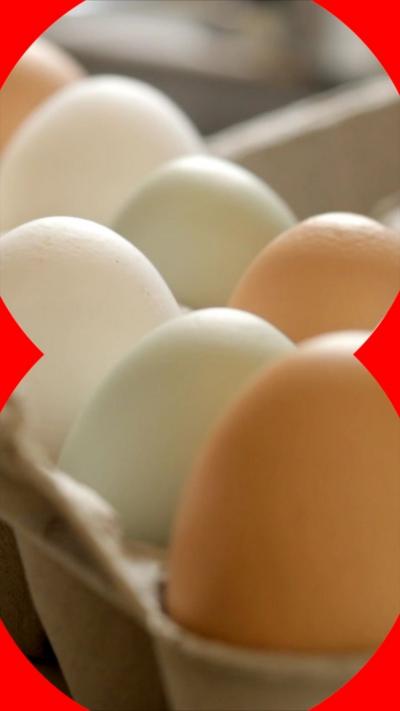
Although not yet proven, imported eggs or products containing them are the leading suspects as to the cause.

Evidence also suggests people caught the bug while eating out, rather than at home - with catering and food services such as restaurants or cafes likely to play a part.

But there is still a lot to be discovered.

What do we know and what questions remain?

Salmonella are a family of bacteria that typically live harmlessly in the digestive tract of animals including cattle, pigs and chicken - which is why eggs and poultry are among foods commonly associated with the infection.

The bacteria are shed in animal faeces.

You can catch the bug by:

eating contaminated food that has not been cooked properly

drinking contaminated water

coming into contact with infected animals

cross contamination after mixing raw and cooked food in the kitchen for example

Signs to watch out for include stomach cramps, diarrhoea, vomiting or fever. These usually develop between 12 and 72 hours after becoming infected.

In most cases people recover without further help but older people, babies and people with weakened immune systems are at greatest risk of severe disease.

Hospital care with fluids and sometimes antibiotics can help in these cases.

Anyone who is concerned should contact their GP or out of hours service in the first instance.

Yes, cooking eggs and other food thoroughly can prevent infection.

Other ways to protect yourself include washing your hands before preparing food, after using the bathroom and after contact with animals.

The majority of cases recently - 199 of the 207 - have been in England, including 47 in London and 38 in Yorkshire and Humber.

There have been six cases in Scotland, one in Wales and another in Northern Ireland.

While the cases are spread out, scientists used a type of comprehensive genetic fingerprinting called whole-genome sequencing, which revealed the bugs involved are all closely related.

Tests show there are only a handful of differences in their DNA sequences, which indicate the infections are part of the same outbreak, with a common source.

Genetic testing of the bacteria suggests there are similarities with a previous outbreak involving imported eggs.

UKHSA experts questioned 114 people involved in the current outbreak and their answers indicate that eggs provide the "strongest signal" or clue.

Some 24 cases had links to five businesses (which have not been named), with 11 people reporting they ate dishes containing eggs.

Investigations suggest these premises may use eggs that are supplied from multiple sources, including imported sources.

"At this time there is no identified link to UK-produced eggs or poultry," the UKHSA says.

Jacquelyn McCormick, head of incidents at the Food Security Agency, says the standard advice remains unchanged - thoroughly cooked eggs that are handled hygienically should not present a food safety risk.

Infants, young children, those who are pregnant and older adults should only eat runny or raw eggs if they have a British Lion mark or are produced under the Laid in Britain egg assurance scheme.

People who are immunocompromised should follow their doctor's advice.

Meanwhile Dr Kathleen O'Reilly at the London School of Hygiene and Tropical Medicine recommends checking out food hygiene ratings when deciding on cafes or restaurants.

The vaccination of commercial hens against common salmonella strains, which began in the mid-1990s in the UK, has been a "major public health success" and has "substantially reduced egg-associated salmonella infections," according to Dr Charlotte Hammer at the University of Cambridge.

Another quality control measure is the British Lion Scheme, launched in 1998.

Any suppliers of eggs given the British Lion mark have to stick to a strict code that covers the vaccinating of hens and a passport system to make sure hens are traceable.

Paul Wigley, professor in animal microbial ecosystems at the Bristol Veterinary School, says improved surveillance and detection has also helped.

"However, we do still import a large number of eggs and egg product, and salmonella could be contained within these because the countries in which they're produced don't use that same level of control," he added.

Meanwhile, Mark Williams, chairman of the British Egg Industry Council, said food businesses which import eggs should check their supply lines for vaccination information and that all the food safety checks have been done.

Health experts still need to confirm that eggs are the source.

They then need to track where the eggs or egg products came from and the next step would be to take steps to limit further infections.

One challenge is that when a business imports a large number of eggs, they can come from mixed sources.

The UKHSA has alerted other countries about this outbreak so they can check for any genetically similar infections.

And while salmonella infections occur every year in the UK, outbreaks potentially linked to a single food source that lead to hundreds being unwell are relatively unusual so scientists will want to examine the factors that led to this situation.