Press
Ukrainian suspect, a ‘trained scuba diver’, arrested over Nord Stream blast
Images
1 / 6
2 / 6
3 / 6

4 / 6

5 / 6

6 / 6
The suspect was arrested in Croatia a year after another, an ex-army officer, was charged.

Save

Share

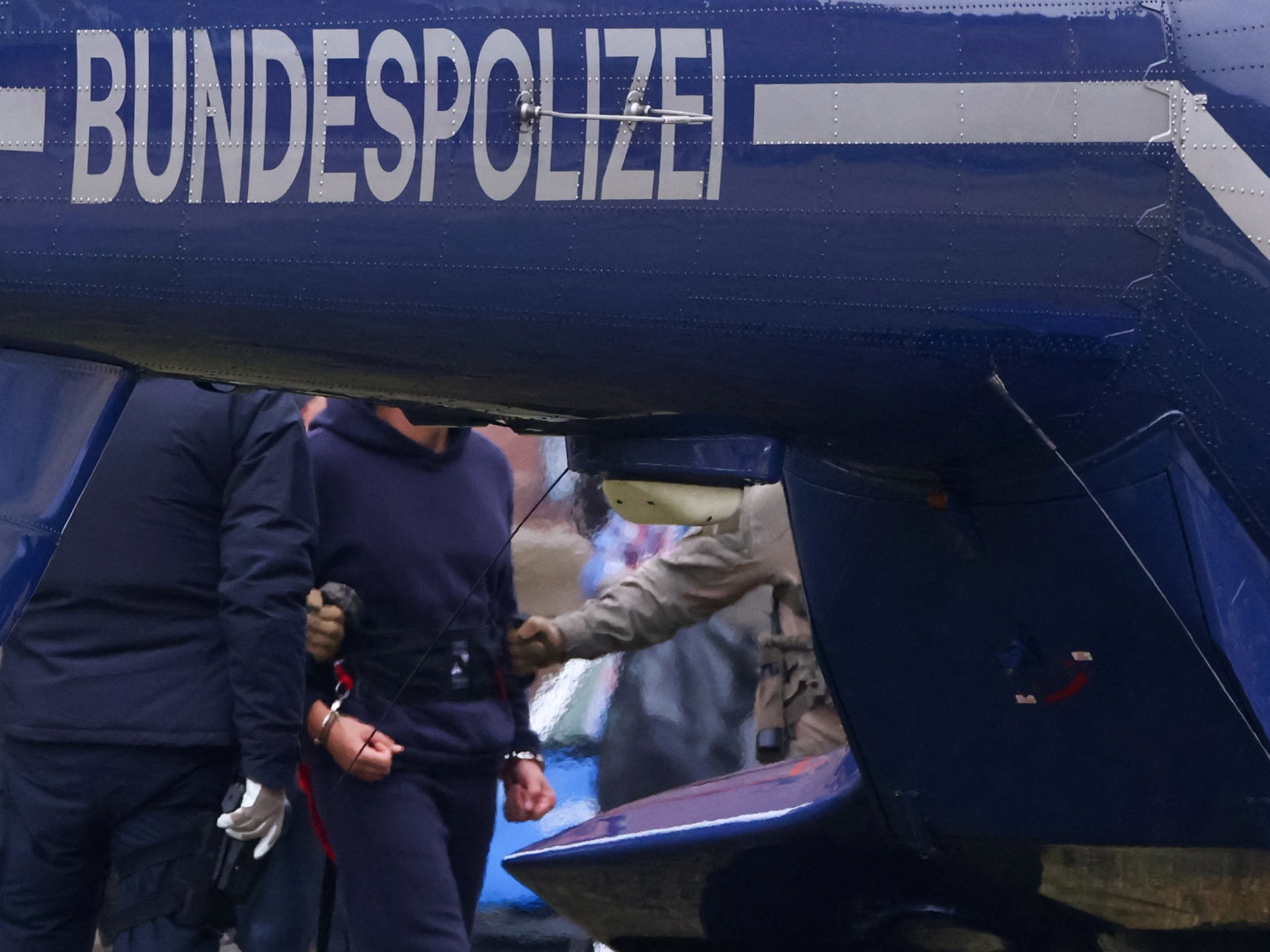
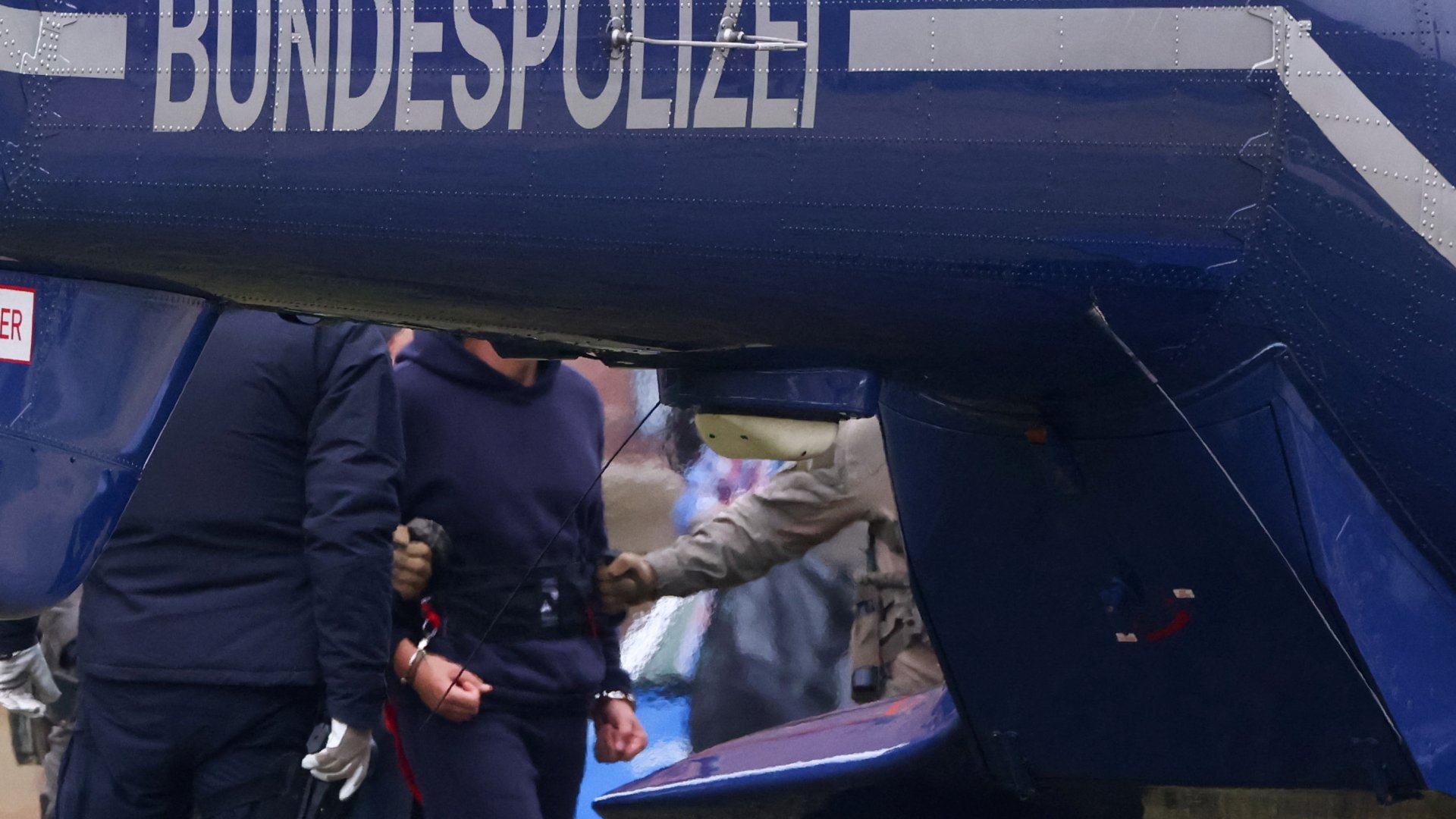
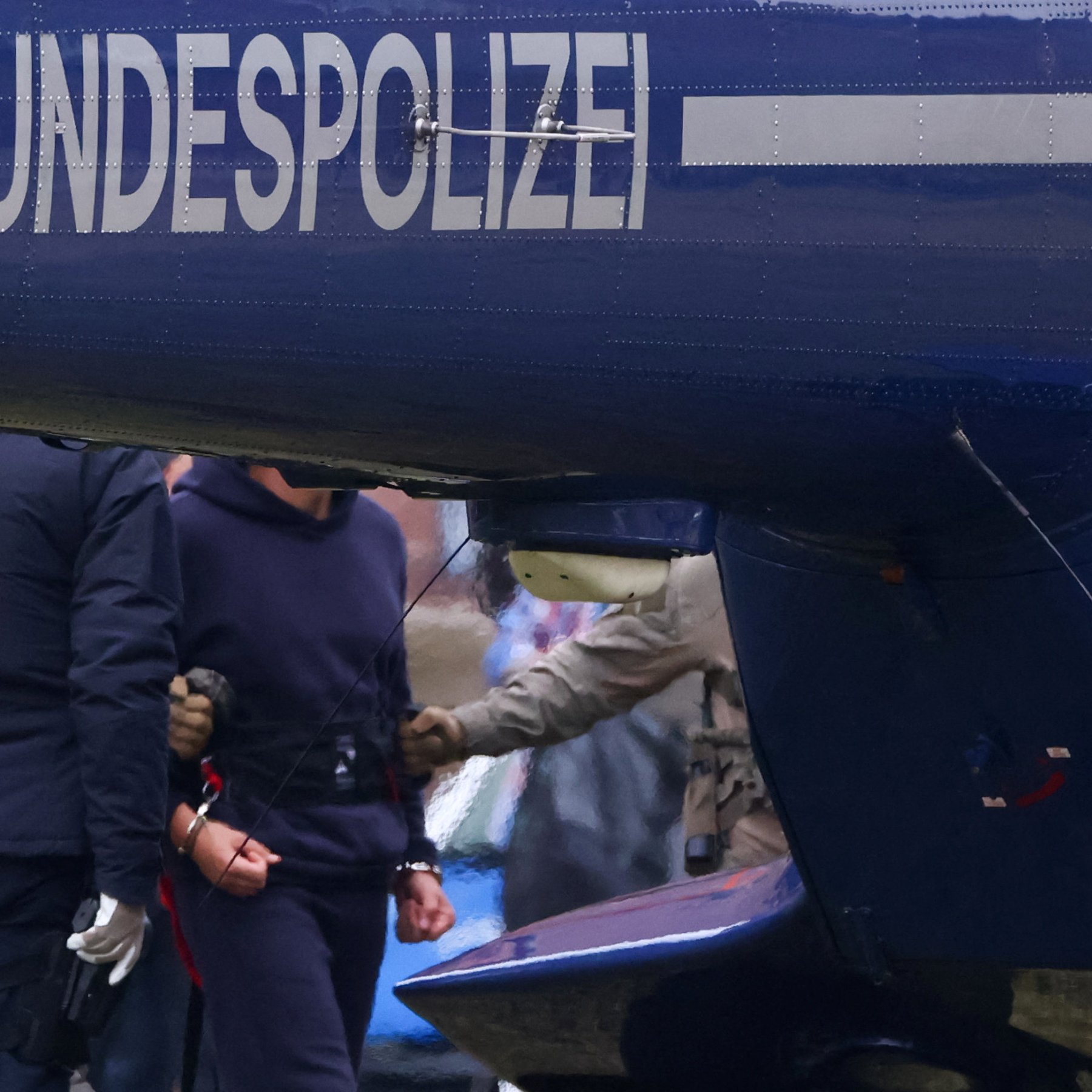
A second Ukrainian suspect alleged to have been involved in the 2022 Nord Stream pipeline blasts has been arrested in Croatia and will be extradited to Germany, German prosecutors said on Wednesday.

The German government welcomed the arrest of the man, identified as Vladimir Z, on Wednesday.

“We’re simply glad that the federal prosecutor’s office is making progress in these investigations, because it’s important that the bombing of the pipelines be clarified as well,” Ministry of Justice spokesman Nicholas Limmer told reporters in Berlin.

The first suspect in the case, former Ukrainian army officer Serhii K, was charged by prosecutors in July with orchestrating the blasts while acting on behalf of Ukrainian state entities. The Ukrainian national, who was arrested in Italy in August 2025 and transferred to Germany in November, has denied any involvement in the blasts near the Danish island of Bornholm.

Authorities in Kyiv have said they did not have enough information to respond in detail to the German allegations.

Germany’s federal prosecutors’ office said Vladimir Z was arrested in the Croatian city of Pula by local police forces acting on a European arrest warrant.

The prosecutors said he was a trained scuba diver who was part of a group led by Serhii K that planted explosives targeting the Nord Stream 1 and Nord Stream 2 gas pipelines.

Russia and Western countries have described the September 2022 explosions, which followed Moscow’s full-scale invasion of Ukraine earlier that year, as sabotage.

The explosions damaged the Nord Stream 1 pipeline, a vital route for Russian gas exports to Europe, as well as the Nord Stream 2 branch, which had yet to enter service.

At the time, Moscow had recently halted gas deliveries via Nord Stream 1, blaming Western sanctions and technical issues, though Europe accused it of weaponising energy supplies.

Poland has long opposed the Nord Stream pipelines, viewing them as an attempt by Russia to use its vast energy resources to gain leverage across Europe.

German prosecutors have said the aim of the alleged attack was to permanently halt gas deliveries through the pipelines and thereby prevent Russia from using revenue from the natural gas trade to finance its war effort.

German courts have treated the case as falling within their jurisdiction because the damaged pipelines end in the German state of Mecklenburg-Vorpommern, and their loss affected Germany’s energy security and internal safety.