Press
Israel is betting on Islamophobia to save its standing in the West
Images
1 / 7
2 / 7
3 / 7
4 / 7

5 / 7

6 / 7

7 / 7
Netanyahu’s government is using anti-Muslim fear to rally a Western right increasingly receptive to its message.

Save

Share

It had been a lengthy and productive meeting with the chief of staff to a Republican member of Congress. We had discussed United States policy towards Israel, and the scepticism of many of the Grand Old Party members towards the relationship and the challenge they face in saying anything about it given President Donald Trump’s iron grip on it. But there was one final agenda item I needed to raise: the member’s participation in the newly created “Sharia-Free America Caucus”, a group of US representatives standing against what one founding member described as “a religion of violence, abuse of women, and ruthless political conquest. Its laws and practices have no place in American society.”

“Oh, don’t worry about that,” the staffer said, with a wave of his hand. “Muslims are just the low-hanging fruit. Really it is about Indians. And brown people in general. And the Jews, too. It won’t get in the way of putting America first. Really the only Member [of the Caucus] who believes all the bullshit about Israel is Randy Fine.”

The whipping up of Islamophobia in the US has become visible and visceral, to the extent that many in the Muslim community now look back almost wistfully to the days of George W Bush, who made a point, in the wake of the September 11, 2001 attacks, of visiting a mosque and declaring that “Islam is peace”. Such efforts at inclusivity have almost vanished entirely from the Republican Party, replaced by an outright bigotry that has inspired a spike in anti-Muslim attacks, such as the shooting at the Islamic Center of San Diego in May that killed two worshippers and a security guard. A recent proposal by Dallas Fort Worth international airport to add unobtrusive foot-washing stations for Muslims wishing to perform wudu (and presumably anyone else with dirty feet) was swiftly abandoned in the face of condemnation by Texas Governor Greg Abbott that the installation of such stations would be unconstitutional.

Where is all this coming from? To be sure, some of it is a reflection of the politics that Trump has promoted since his very first day of presidential campaigning in 2015 to divide Americans by suggesting that the country’s White majority and its historic place atop the social hierarchy are at risk; in this context it is not only Muslims who are under attack, but all minorities, as demonstrated by his administration’s attacks on Black history or Hispanic culture. But when it comes to Islamophobia, there is a more targeted driver of the trend.

In January this year, the government of Israel hosted an anti-Semitism conference in Jerusalem. This, by itself, is rather unremarkable. But what is noteworthy is who attended: leaders from across the European far right, including representatives from Poland’s PiS, Spain’s Vox, Hungary’s Fidesz, and France’s Rassemblement National. The event was, perhaps, the largest gathering of European right-wingers to discuss anti-Semitism since the US-led umerziehung (re-education) process in post-war Germany.

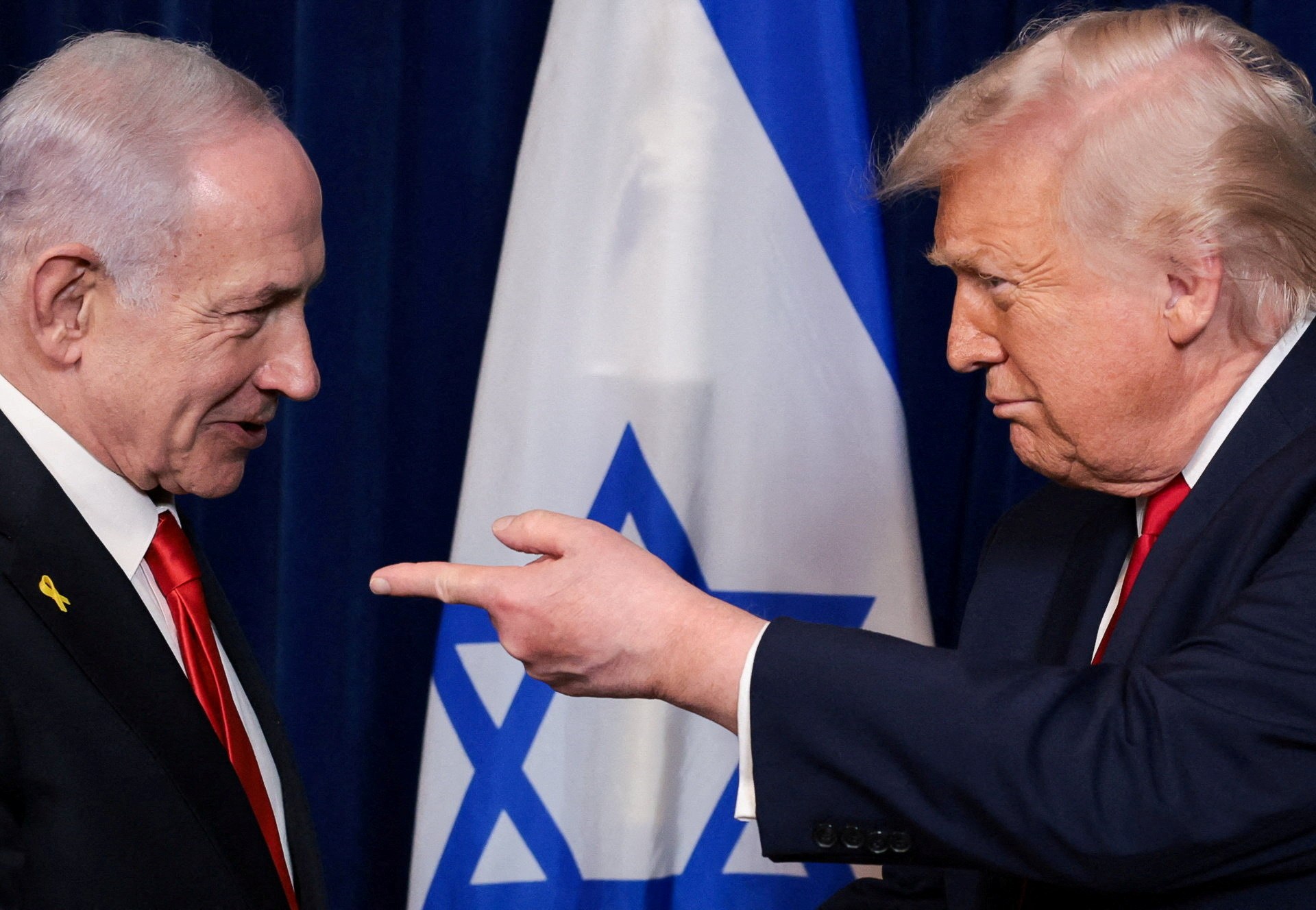
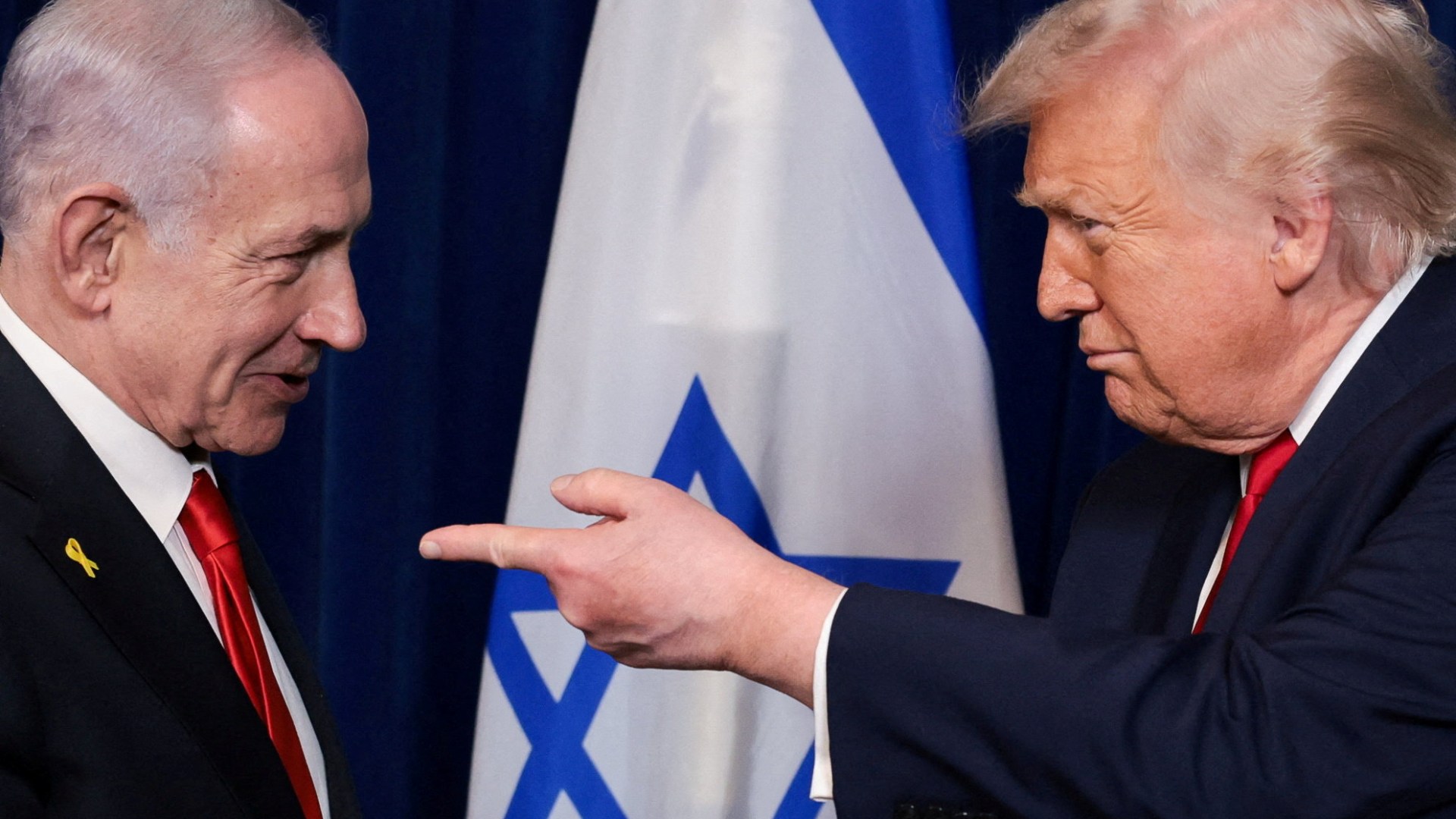
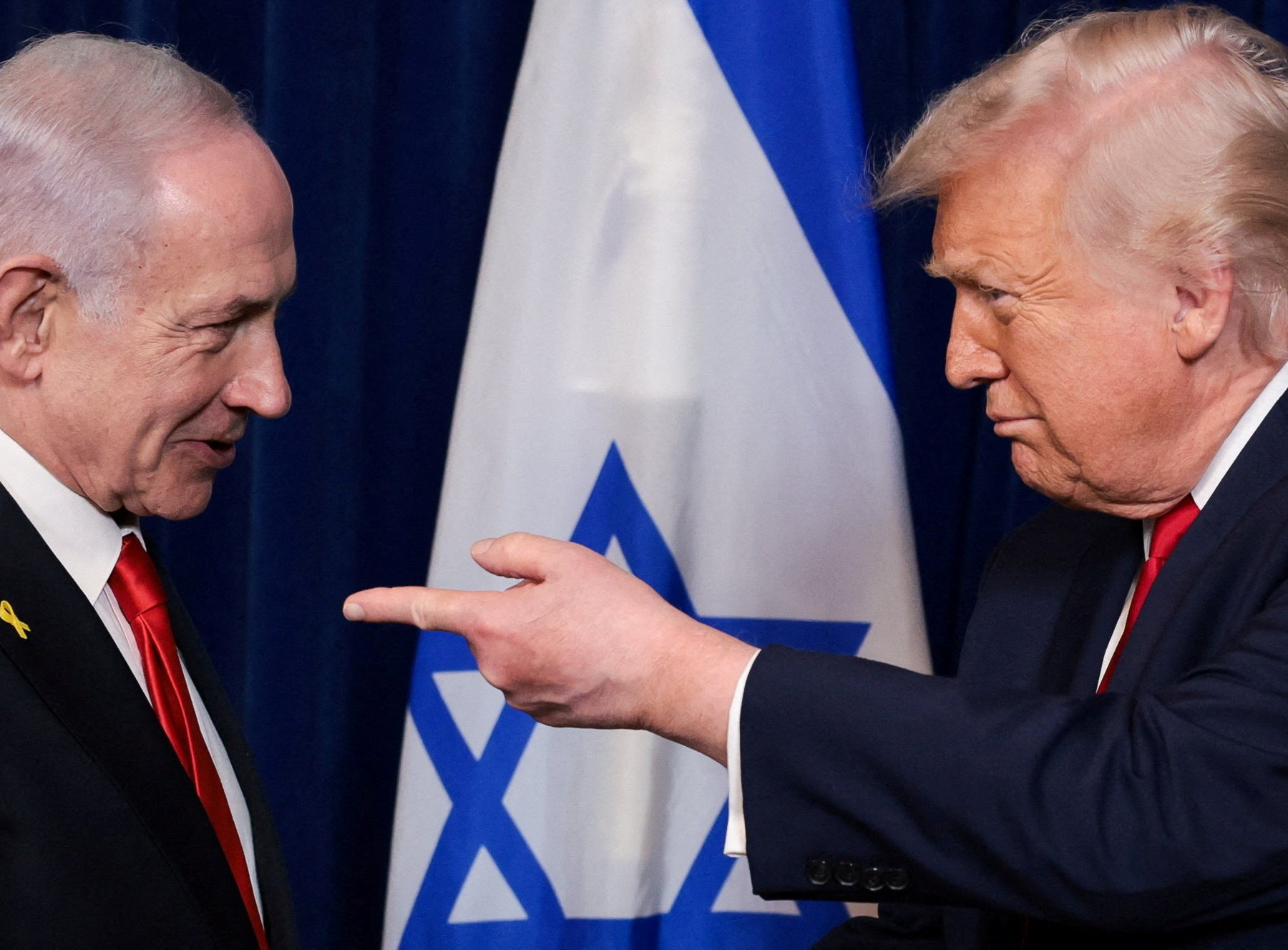
But the far right are now allies, as Prime Minister Benjamin Netanyahu told them, in the fight against the “invasion of radical Islam”. Since January, Netanyahu has continued on this theme, recently warning that “the first Islamic republic with nuclear weapons will be the Islamic republic of Britain”, and campaigning for re-election under a billboard titled “Don’t let them win” that features the faces of Hezbollah and Iranian leaders alongside those of Turkish President Recep Tayyip Erdogan and New York Mayor Zohran Mamdani.

Israel’s promotion of Islamophobia is not limited to Netanyahu, nor does it end at its own shores. As Israel’s own reputation has cratered, rather than examining its actions (particularly in Gaza), it has decided its salvation rests in more effective public relations and propaganda campaigns. Some of this has materialised in an effort to prop up its own reputation: “The US-Israel relationship promotes stability”, explained an automated text message that millions of other Americans and I recently received via Israeli-contracted Clock Tower X. But Israel is also going on the offensive by trying to knock down and delegitimise its critics and by rallying the right through a purposeful campaign of Islamophobia.

The strategy may have been informed by a leaked study solicited by Israel’s Ministry of Foreign Affairs from US public relations firm Stagwell Global, which found that the most effective tactic in shifting public opinion would be to drive fear of “Radical Islam” and “Jihadism” but, in the absence of any compelling reason why the US should continue to back his country, Netanyahu has increasingly leaned into the argument that Israel is, as he claims foreign leaders have told him, the “model in the struggle against radical Islam which threatens the entire civilised world”.

This has manifested itself in Israel’s leveraging of increasingly virulent Islamophobia as part of its hasbara strategy, for instance in Canada in 2024, when an Israeli-government-funded influence operation using the name United Citizens for Canada conducted social media campaigns claiming that Muslim immigrants to the country posed a threat to society and were trying to impose Islamic law.

In many cases, Americans and Europeans have seen through such efforts. Recent primary wins for prominent Muslim congressional candidates such as Abdul El-Sayed have demonstrated a cross-communal rejection of Islamophobic rhetoric. But in other areas, Muslim communities increasingly feel under siege.

Israeli society is premised on Jewish supremacy and the pursuit of demographic homogeneity, but Western countries are increasingly diverse in both their demographics and their leadership. While the path to peace for Israel may be one that makes Israel look more like the West – a country with equality for all its people – at the core of its current propaganda campaign is the desire to make the West look more like Israel. That poses a test for Western pluralism, but even if the West fails that test, Israel should not assume that such a failure would inherently lead to an embrace of Zionism.

Fear and hatred are powerful tools, and the current Islamophobic campaign is likely to unleash further and deeper harms. But even on its primary objective, to stem the loss of support in Israel’s last bastion of Western far-right opinion, it is far from clear that it will succeed. In the meantime, Europeans and Americans would be wise to see it for what it is: a desperate foreign influence operation driven by a state that is increasingly running out of options.

The views expressed in this article are the author’s own and do not necessarily reflect Al Jazeera’s editorial stance.