Press
Is Trump making Latin America great again?
Images
1 / 7
2 / 7
3 / 7
4 / 7

5 / 7

6 / 7

7 / 7
A right-wing wave is sweeping through the region and that is not good news.

Al Jazeera columnist.

Save

Share

The calamitous war on Iran and continuing failure to rein in Israel have brought United States President Donald Trump collapsing approval ratings and growing public animosity at home. Yet there is one area of his foreign policy that is perhaps serving as a consolation: Latin America.

Over the past year and a half, a slew of right-wing leaders has taken power in the region through electoral victories for which Trump has more or less taken personal credit. These leaders appear eager to facilitate the resurgence of US power projection in what Trump has, with characteristic pompousness, called the “Donroe Doctrine”. This, to put it mildly, is not great news for the average Latin American.

One need only glance at the extensive history of US collaboration with right-wing Latin American regimes in the ostensible fight against leftist politics and “narco-terror” to assume that what is coming will entail a whole lot of civilian casualties.

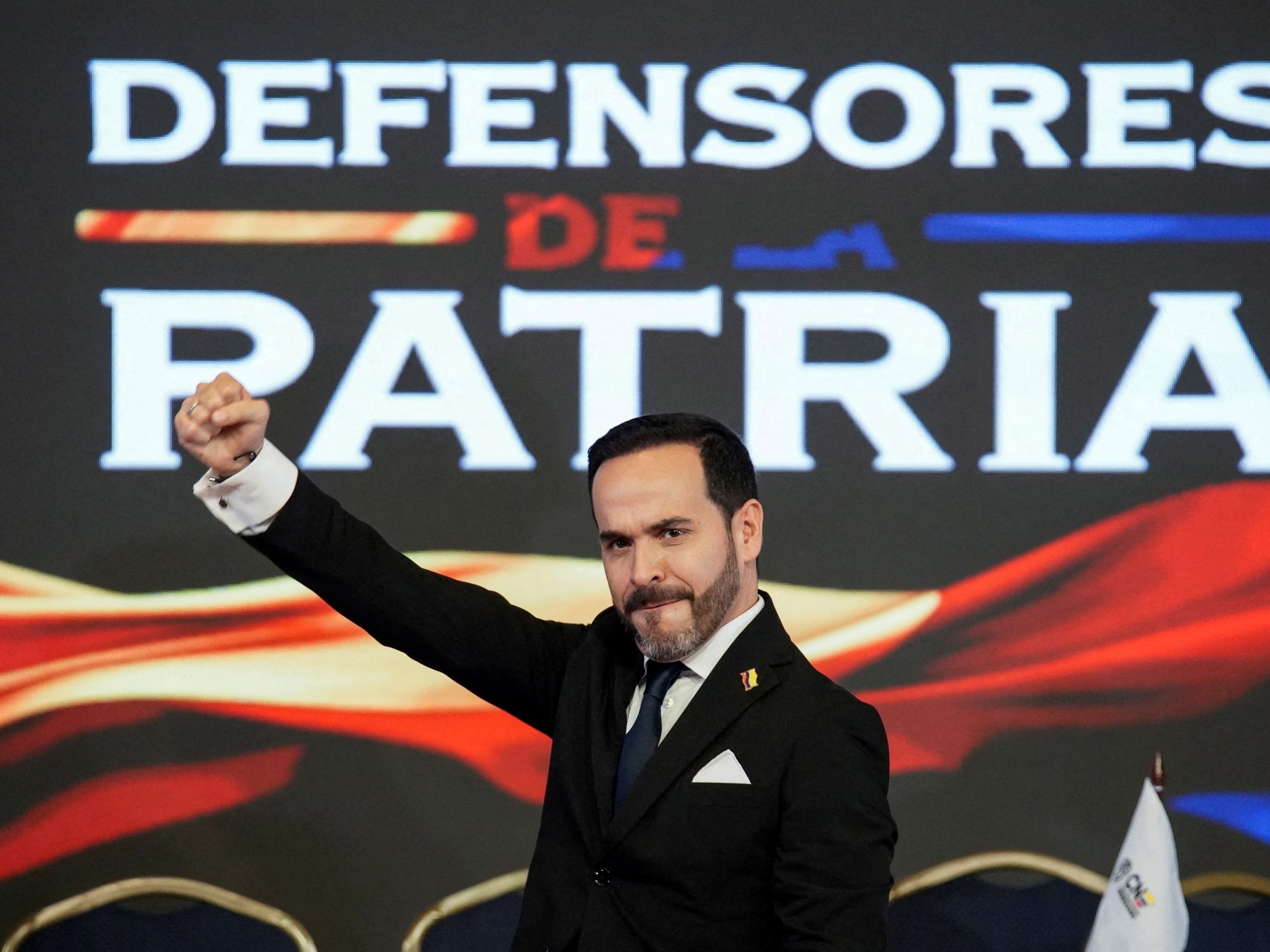
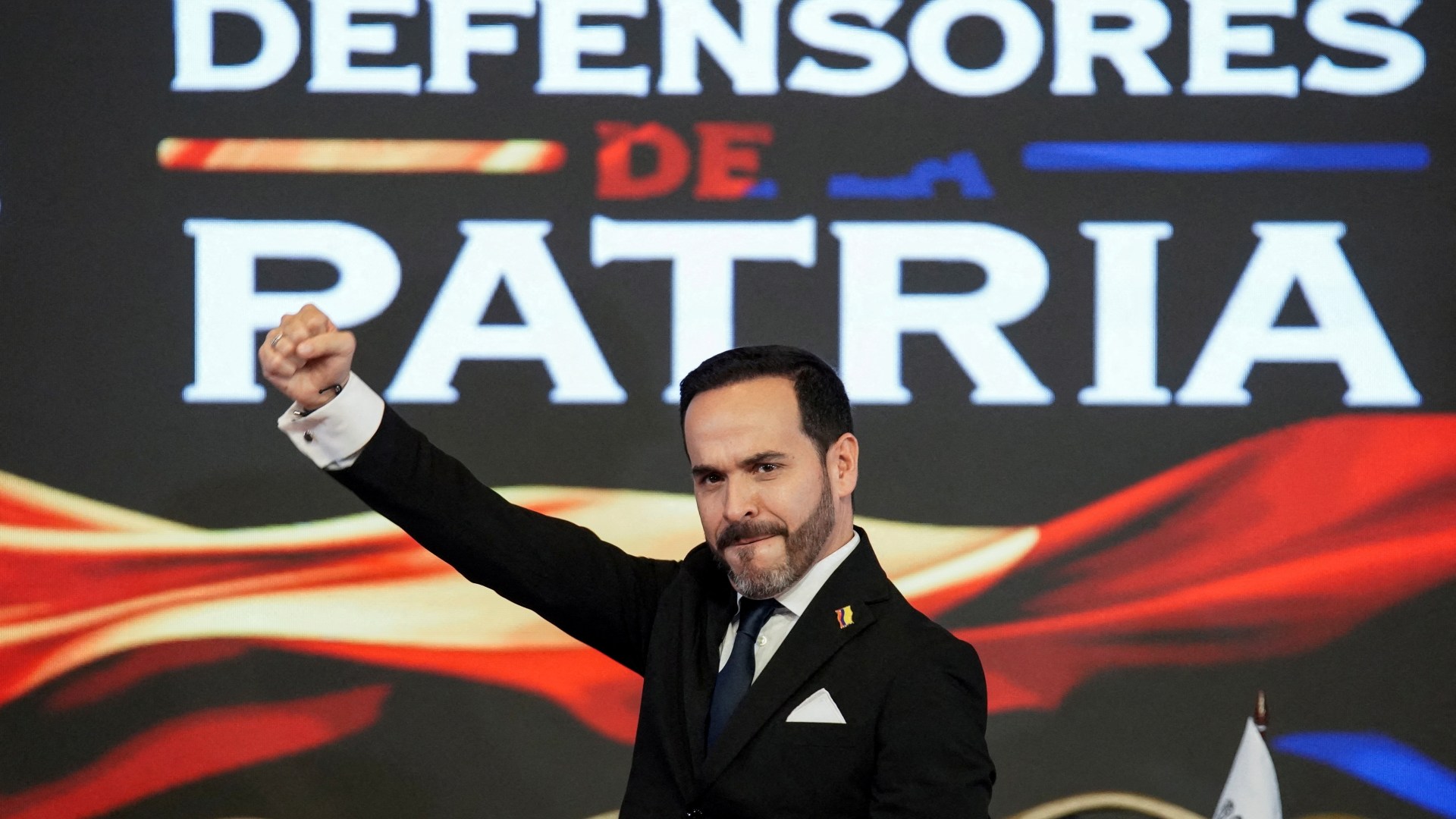
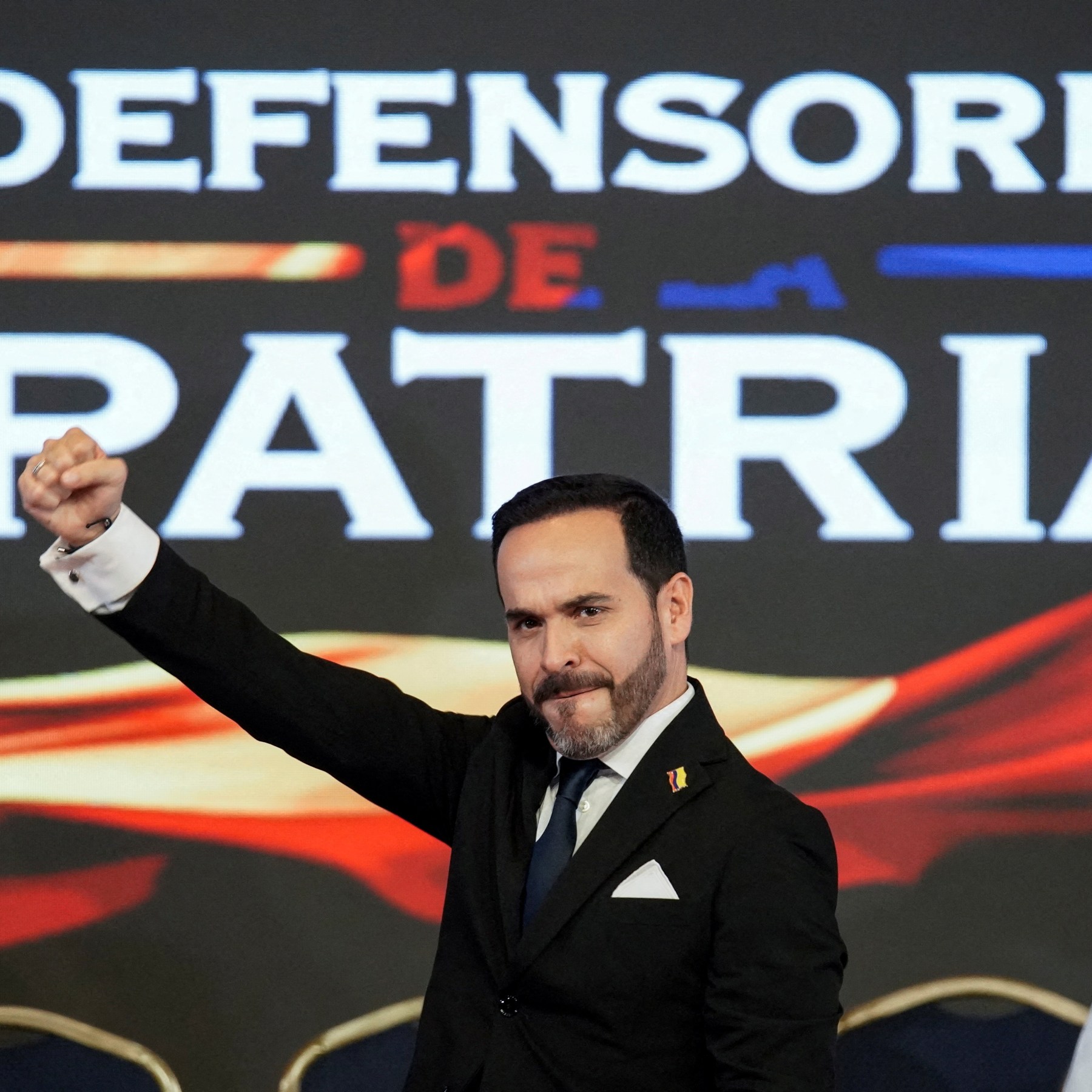
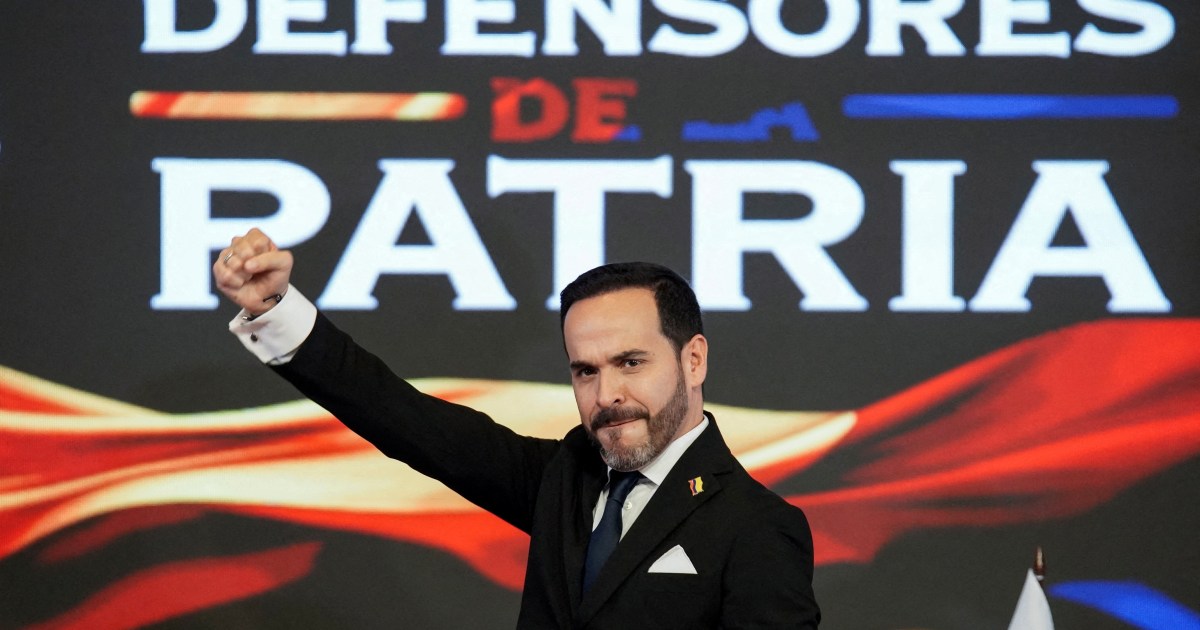
In Colombia, for example, where far-right millionaire businessman and former criminal defence lawyer Abelardo de la Espriella was just sworn in, the US track record of funnelling heaps of money to a homicidal army joined at the hip with right-wing paramilitary outfits produced a good deal of bloodshed. And what do you know: De la Espriella amassed a portion of his lawyerly fortune defending paramilitary leaders.

In addition to having charmingly pledged to “disembowel” the left, de la Espriella is obsessed with jumpstarting fracking and pursuing other environmentally destructive projects.

Trump’s posse of Latin American acolytes also includes the likes of Argentina’s Javier Milei, the uniquely coiffed chainsaw-wielding character whose party did smashingly in October midterm elections after Trump conditioned a $40bn bailout of the country on just such an outcome at the polls.

Milei’s decision to wipe out welfare provisions has sent millions of Argentinians into poverty and flooded the streets of Buenos Aires with homeless people.

Meanwhile in January, right-wing businessman Nasry Asfura assumed the presidency of Honduras following Trump’s threat to cut off aid to the small Central American nation in the event that Asfura lost the elections – another fine example of democracy at work. Predictably, Asfura’s so-called crackdown on crime has merely spurred violence in the country.

Trump’s regional winning streak has also extended to Chile, where in 2025 he endorsed the ultimately triumphant presidential candidate Jose Antonio Kast, an admirer of notorious Chilean dictator Augusto Pinochet. In one of his first moves as president, Kast personally inspected the start of a campaign to dig trenches along Chile’s borders.

Then there are Ecuador’s Daniel Noboa, El Salvador’s Nayib Bukele and Peru’s Keiko Fujimori – herself the daughter of another deceased dictator – all of whom have adopted, to varying degrees, the sort of iron-fist strategy on crime that does absolutely nothing to address its root causes.

The US president, for his part, has good reason to be pleased with the gaggle of like-minded leaders in Washington’s self-declared “backyard”. For one thing, they are all in agreement that government should be by the rich and for the rich – a foundational principle of Trumpism. Generally speaking, the new Latin American leaders are die-hard fans of the old “tough on crime” approach that tends to see a lot of poor people either thrown in jail or killed and basic rights eradicated.

Many of them furthermore share Trump’s penchant for xenophobia as spectacle and the scapegoating of migrants for domestic ills.

To be sure, keeping people preoccupied with alleged existential threats like immigrants and narco-terrorists is a pretty good way to distract them from the fact that they have no money or rights – and that their rulers are making bank at their expense while also destroying the environment and committing all manner of other misdeeds. Who needs healthcare when there are so many mega-prisons to be built?

In undertaking to “Make America Great Again”, Trump has no doubt set a stellar example for the rest of the Americas by overseeing the evisceration of civil liberties – an arrangement that has effectively given US Immigration and Customs Enforcement officials free rein to kidnap international scholars and activists as well as fatally shoot US citizens.

Plus, an August report from Democratic members of the US Congress Joint Economic Committee found that Trump pocketed $2.2bn in 2025, more than tripling his income, “while American families lost $219 billion” and faced “higher costs for everyday essentials”.

Some observers have described current political trends south of the border as the “Trumpification of Latin America” and an “Orange Wave” sweeping the region – not that sociopathy, xenophobia, or plutocracy are really anything new anywhere in the hemisphere. Indeed, both Republican and Democratic regimes in the US have historically been only too happy to partner with abusive Latin American governments that slaughter peasants and other folks who stand in the way of corporate capitalism.

Now that Colombia is safely back in the imperial fold after four years of leftist rule under Gustavo Petro – who did annoying things like endeavour to reduce domestic inequality and denounce Israel’s US-backed genocide in the Gaza Strip – the northern Colombian city of Medellin will serve as the headquarters for Trump’s hemisphere-wide “Shield of the Americas” security initiative.

It’s only fitting, perhaps, given de la Espriella’s insistence that the US and Colombia are bound by their “shared destiny to defend Western civilisation across the Americas”.

Granted, manic US militarisation of the hemisphere under the guise of “security” is nothing new, either. And while Trump and his allies busy themselves making Latin America great again, it seems pretty clear that Western civilisation won’t be getting any more civilised any time soon.

The views expressed in this article are the author’s own and do not necessarily reflect Al Jazeera’s editorial stance.