Press
Young care leavers dying early a 'national tragedy'
Images

1 / 20

2 / 20

3 / 20

4 / 20

5 / 20

6 / 20

7 / 20

8 / 20

9 / 20

10 / 20

11 / 20

12 / 20
13 / 20

14 / 20

15 / 20

16 / 20

17 / 20

18 / 20

19 / 20

20 / 20
Young adults who have left care have a death rate around four times higher than the general population, a new review, external shows.

Often left alone "with no safety net," the report says the consequences can be catastrophic.

On turning 18, people leaving care in England often lose "significant levers of support", the Government-commissioned report concluded, as it warned the so-called "care cliff" must be addressed.

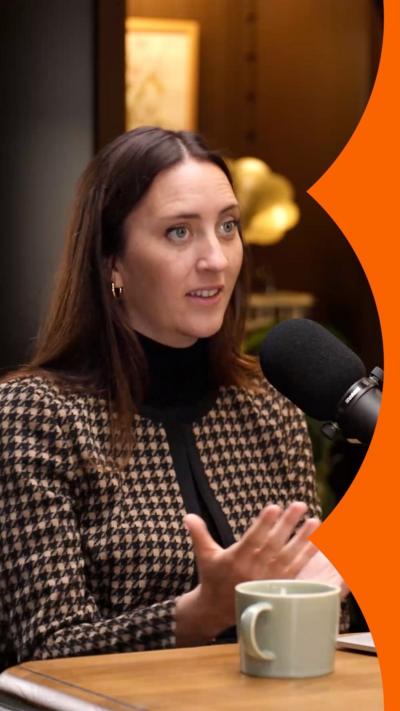
Speaking to BBC Radio 4 Today, report co-author and broadcaster Ashley John-Baptiste, who grew up in care, called the deaths a national tragedy.

There were 112 deaths of care leavers aged 18 to 24 notified in 2025, which the review said equalled about 130 deaths per 100,000 care leavers.

John-Baptiste recalled his own experience of turning 18 and moving out of the last of four foster homes he'd lived in.

"I was made to live alone and work out how to be an adult," he said.

Unable to afford a bed frame, he says he slept on a mattress on the floor of his council flat and felt a deep sense of abandonment and isolation.

The report, co-authored by social worker Clare Chamberlain and commissioned by the Department for Education, found 18 appeared to be a significant turning point.

Of the deaths, 22 occurred at 18 – more than any other age in the range – which the review said was "strongly suggestive of the stark challenges and pressures" faced by these young people when they leave care.

Just over a third (40) of the care leavers were thought to have died by suicide, a rate the report said was potentially five times higher than that of the general population.

Other causes included murder, road traffic accidents and drug misuse, as well as potential mismanagement of medical conditions like diabetes.

The report calls for better ways to prepare young people for adulthood and an overhaul of the workforce supporting them.

The main source of support provided to young people who have left care comes through the framework of having a personal adviser (PA).

The review found that the support provided by PAs can "vary greatly from place to place" with a "huge variation" in quality of practice.

With minimum visiting requirements of once every two months, the authors say it is "not surprising" that some PAs they spoke to "hardly knew" the young person they were supporting.

The report is also critical of the housing and accommodation support given to young adults, saying it is often from a "profit-making arm of the service with no specific requirements for a therapeutic or social work discipline", which needs to be redressed.

The government says it is driving forward a national rollout of connected housing options for those leaving care, starting with £25 million this year.

It says this will "significantly increase" young people's chances of being offered a "home that provides them with community and connection rather than leaving them isolated in inappropriate accommodation".

Children's Minister Josh MacAlister said "enduring relationships" must become the "central obsession" of the care system.

"Care must build and not break the relationships that young people need, and this must be the new North Star," he added.

If you've been affected by the issues in this story, you can find information, advice and support from the BBC's Action Line. Anyone feeling emotionally distressed or suicidal can call Samaritans for free on 116 123 or visit samaritans.org in the UK.