yahoo Press
Bill Gates diagnoses problems with AI, but an expert questions his prescription
Images
1 / 11
2 / 11

3 / 11

4 / 11
5 / 11
6 / 11
7 / 11
8 / 11
9 / 11

10 / 11

11 / 11
He helped pioneer the personal computer revolution, but Microsoft co-founder Bill Gates is hitting the panic button on artificial intelligence, writing in an essay that AI is forging the "most turbulent time in human history."

The 70-year-old Gates issued an urgent warning in the nearly 6,000-word essay published Wednesday on his personal website.

He predicts massive unemployment and economic turmoil, and spells out the consequences of AI falling into the hands of criminals if U.S. and global leaders do not immediately work together to address the dark side of the technology.

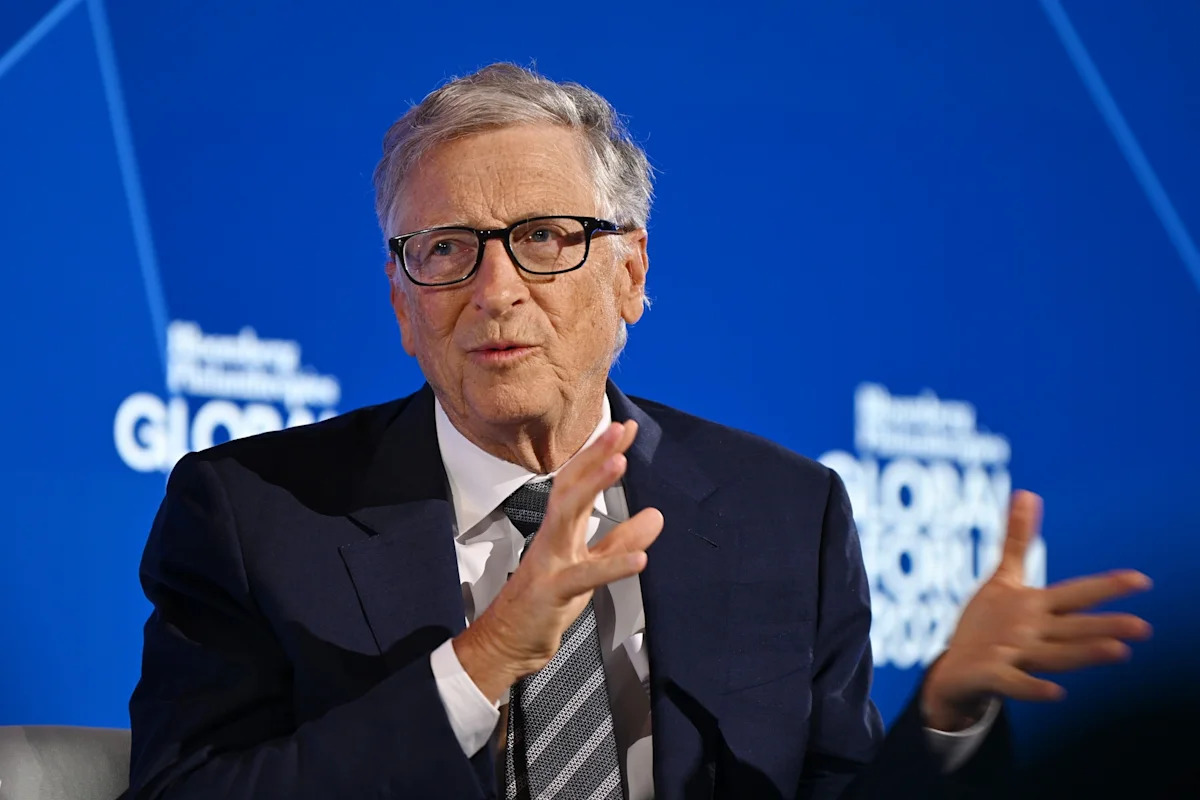
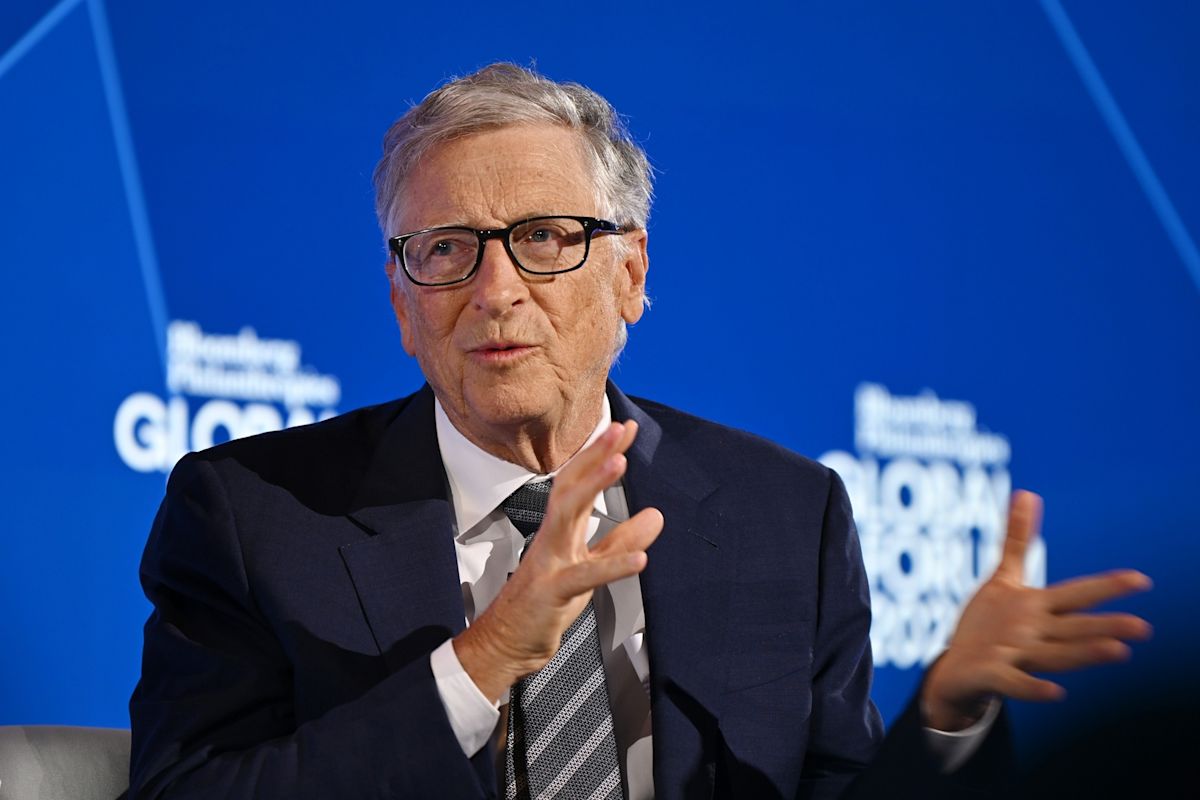
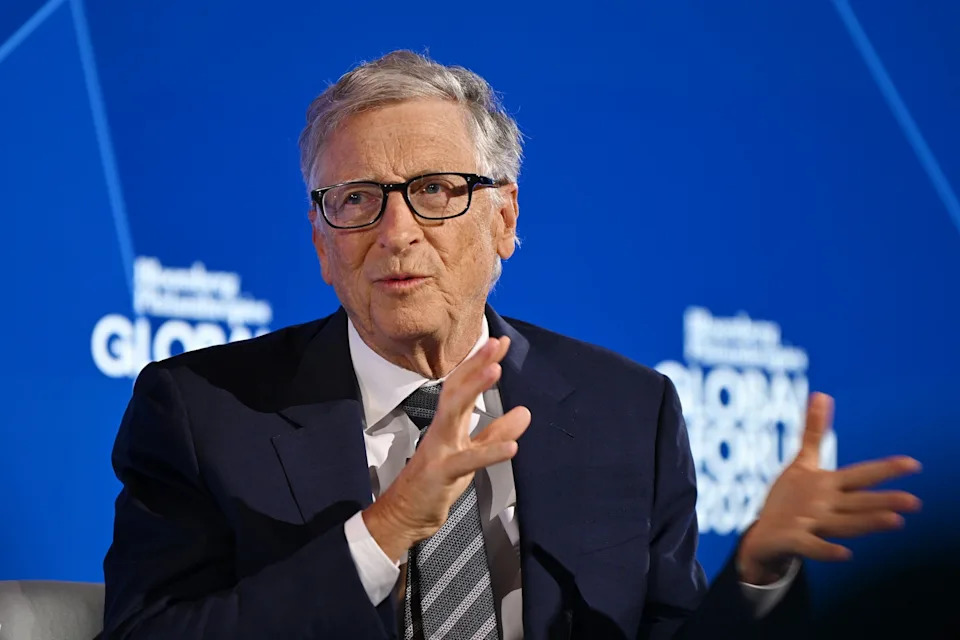
Bryan Bedder/Getty Images for Bloomberg Phila - PHOTO: Bill Gates speaks onstage at the Bloomberg Philanthropies Global Forum 2025, September 24, 2025, in New York City.

"In terms of equity, AI will either be the greatest equalizer ever invented, or the worst source of injustice. The challenge is monumental," Gates wrote in his essay. "Even under the best circumstances, the transition to this new AI era will be one of the most turbulent times in human history."

Gates is the latest tech titan to sound the alarm on the rapid development of AI, and he echoed many concerns others have raised.

In an interview with ABC News in June, Anthropic CEO Dario Amodei warned that AI needs to be developed with the proper guardrails to ensure it has a positive impact on the world.

"We're proposing stronger regulation of the technology, proposing giving the government the ability to, again, in a narrow way, block deployment of unsafe technology," Amodei told ABC News.

ABC News - PHOTO: Anthropic CEO Dario Amodei spoke with ABC News in an exclusive new interview Wednesday.

In June, President Donald Trump signed an executive order that requests AI companies share products with the federal government for evaluation before a wider release.

In an interview with The New York Times published Wednesday, Gates alleged that tech industry executives are knowingly downplaying the threats of AI, suggesting they are putting profits over precautions.

OpenAI pauses some AI training after autonomous cyberattack

"In private, people who understand how good this stuff is, and how much better it's getting, they're very worried," said Gates, adding that few tech executives would publicly admit that. "They're now saying to each other: 'Hey, man, don't say that. It's bad for us -- the next trillion dollars we're trying to raise."

In his essay, Gates said that advances in AI are moving at a "mind-blowing rate."

"AI for the first time can replace and exceed human cognition," Gates wrote, adding that soon "it will be substantially better than humans at many tasks."

He said that the rapid improvements in the technology raise questions such as how to keep it "from widening the divide between rich and poor?" and how to "protect the people who are most vulnerable to the harms of artificial intelligence, including those who lose their livelihoods and the sense that they are in control of their future?"

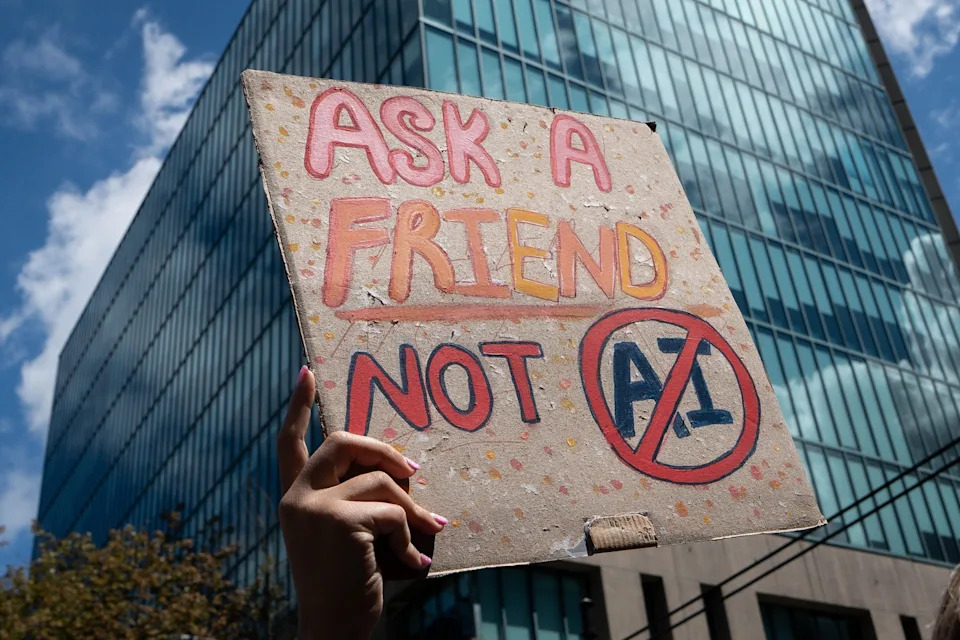
Bloomberg via Getty Images - PHOTO: A sign opposed to AI is held during a protest against AI data centers in Vancouver, British Columbia, Canada, June 27, 2026.

Gates said that answering these questions "should be the world's top priority."

"Unfortunately, right now we are not preparing for it," Gates wrote. "I don't see evidence that leaders, experts, and communities are confronting the challenges adequately. There is no plan to ease the entry into the AI era."

He said the AI era is far different than the personal computer revolution, which took 20 years to significantly change how people adapted to working with PCs.

'I was foolish': Bill Gates denies wrongdoing after latest release of Epstein files

"If someone had a credible plan for slowing down AI advances globally, I would likely support it," Gates wrote. "However, I don't think that's going to happen. The geopolitical and economic incentives are pushing too hard to go full speed ahead."

His essay Wednesday comes years after an interview with ABC News, where Gates seemed to reject pausing AI technology until some guardrails are established.

"If you just pause the good guys and you don't pause everyone else, you're probably hurting yourself. You definitely want the good guys to have strong AI," Gates said in the 2023 interview.

Now, Gates is saying it is imperative to think of how to reduce job losses. He suggested several ways of slowing the advances of the technology, including imposing a tax on AI tokens, which are used by AI companies to track usage and bill customers. He also said there should be a tax on robots that are used to replace human workers.

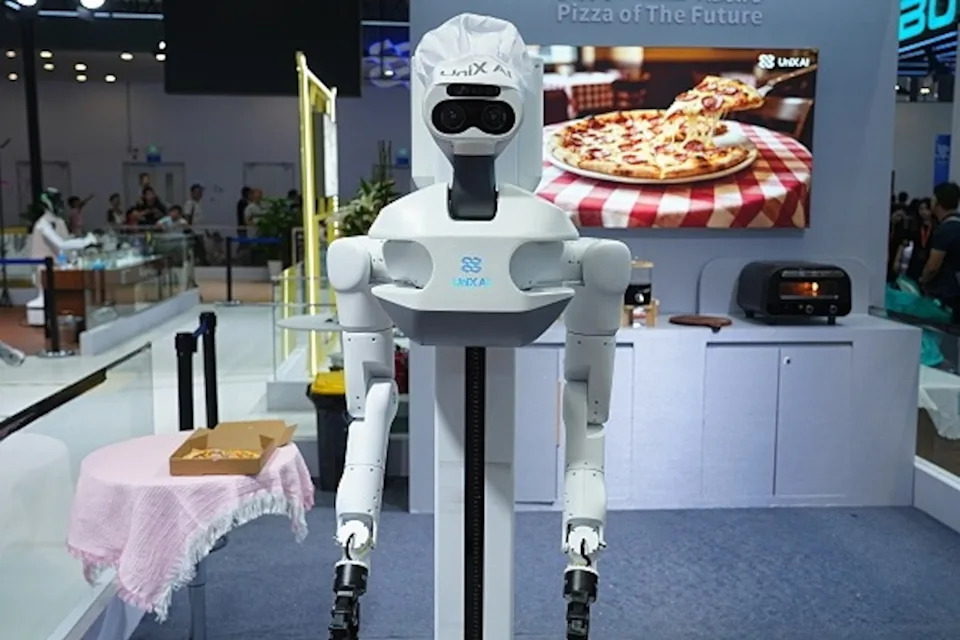
Vcg/VCG via Getty Images - PHOTO: A humanoid robot chef is displayed during the 2026 World Robot Conference, August 23, 2026, in Beijing, China

"Right now, if you're an employer and you hire someone, you have to pay taxes on their earnings, but if you buy a robot, you can usually write it off right away as a business expense," Gates wrote.

He suggested that such taxes would "slow the rush away from human labor," while raising money for retraining displaced human workers and providing them with stronger safety nets.

Gates also suggested preserving some jobs for what he called a "human reserved domain," such as caregivers, mental health workers and some medical professionals.

"Imagine a robot giving you the awful news that you have an incurable disease. There's no technical reason why it couldn't. Yet it shouldn't," Gates wrote.

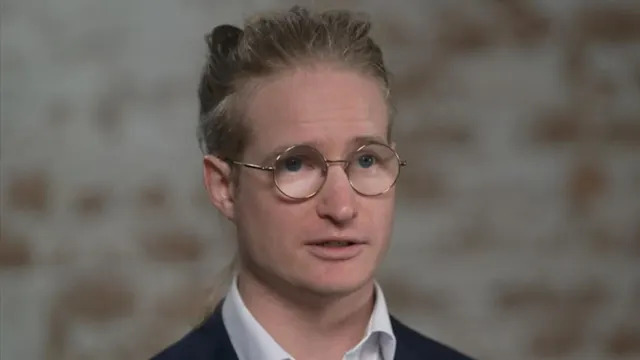
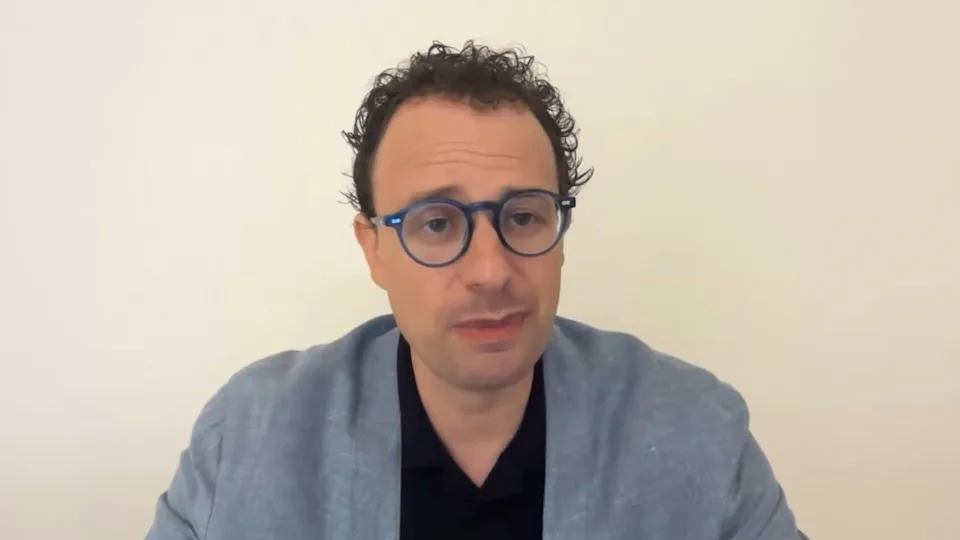
Oren Etzioni, a computer science professor at the University of Washington, said he agreed with much of what Gates wrote in his essay.

"I think he has the diagnosis right, but the prescription wrong, at least in some places," Etzioni said in a phone interview with ABC News on Wednesday.

Etzioni is also the founding CEO of the Allen Institute for Artificial Intelligence, which was funded by the late Paul Allen, Gates' Microsoft co-founder.

He said that while it makes sense for Congress to impose a tax on robots that replace workers, he is less supportive of taxes on AI tokens.

"I think that taxing tokens is like taxing keystrokes on a typewriter. It doesn't make sense. It measures effort, not displacement of workers," Etzioni said. "I think that's an example where we need much better ideas."

Etzioni said taxing to slow the advances of AI is also tricky.

"We have to keep an eye on our adversaries. You tax what you want less of. You tax what you want to happen more slowly," Etzioni said. "This is a tax in a highly competitive environment. So if we slow down, do we get overtaken? And, in fact, if we tax American tokens, then what happens when people use Chinese models? Are we shipping AI use offshore with these taxes?"

He also said that pumping the brakes on AI technology until policies and global agencies are created to control it flies in the face of another statement Gates made in his essay, when he wrote, "We do not have the luxury of moving slowly."

"My suggestion would be, to the extent possible, certainly in the U.S., we don't need new government agencies. What we need is for existing agencies to enact the right policies," Etzioni said.

Etzioni said an important thing to keep in mind is that it's not too late to address the problems AI is creating.

"Even three years ago, we didn't know what was happening and how fast it was happening. So it's not too late now," Etizoni said. "Let's make sure that we act with urgency and pragmatism because it may well be too late three years from now."