Press
Six essential skills employers say job seekers should have to stand out
Images
1 / 20
2 / 20
3 / 20
4 / 20
5 / 20
6 / 20
7 / 20

8 / 20

9 / 20

10 / 20

11 / 20

12 / 20

13 / 20

14 / 20
15 / 20

16 / 20

17 / 20

18 / 20

19 / 20

20 / 20
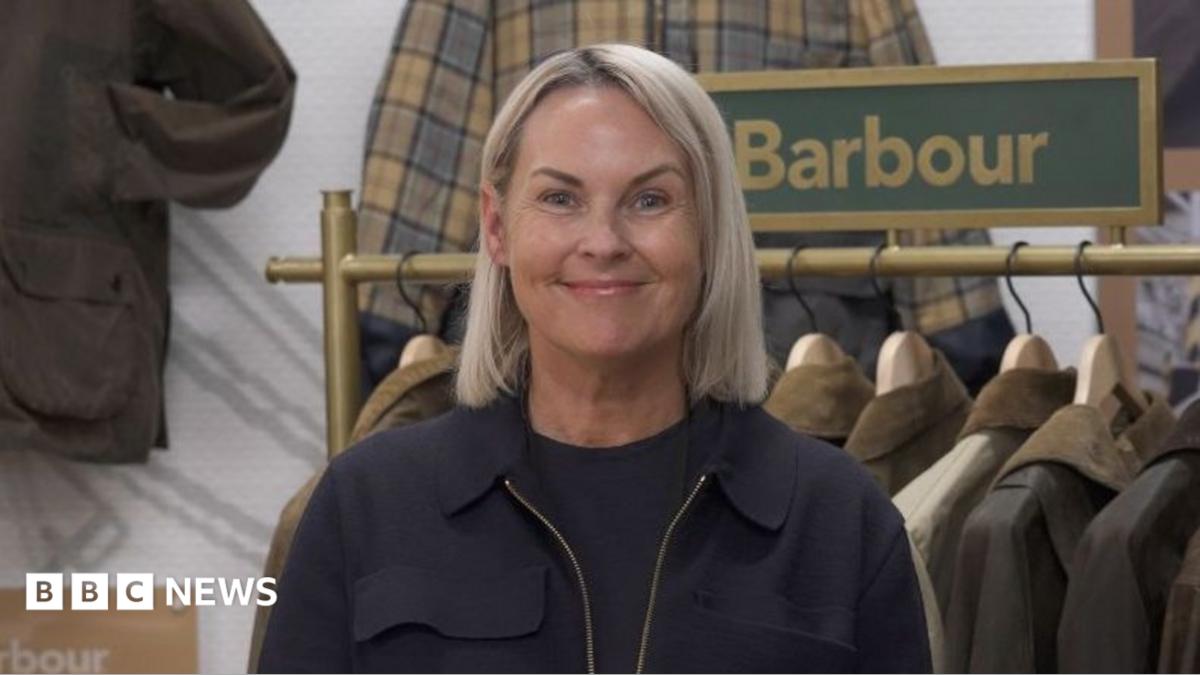
Lynn Bassett, Barbour's HR director, values workers who can build positive relationships within a team

The ability to communicate, collaborate and solve problems are among skills that employers say they are looking for in potential job hires.

In a major five-year study, the National Foundation for Educational Research (NFER) identified six key transferable skills that will count as much as qualifications in getting and keeping a job in the coming decade.

It comes as NFER research, published last year, external, suggests it may become even harder to find a job as AI and automation could see up to three million low- to mid-level jobs disappearing by 2035.

As more than one million young people are not in education, employment or training - the highest level in over a decade - we have been speaking to businesses about how people can demonstrate the key skills employers are looking for.

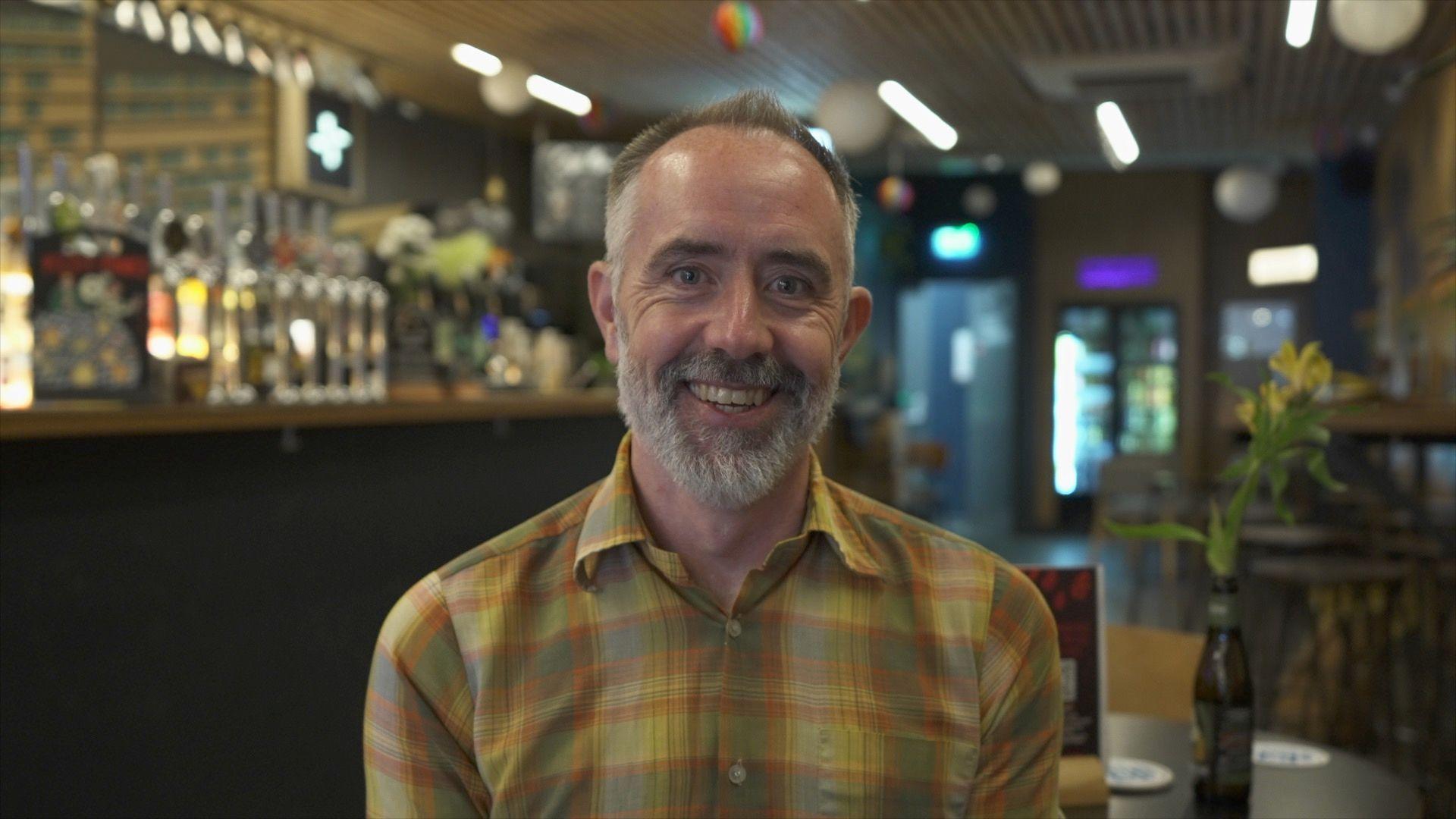
Christian Townsley, co-founder of the North Bar group, says he looks for an ability to keep a "cool head" when conducting trial shifts

One of the big shocks for many leaving education and trying to get into work is the sudden lack of structure, so being able to prioritise your own work is seen by many employers as essential.

In Leeds, Christian Townsley, the co-founder of the North Bar group, says working in a busy bar is all about staying calm and keeping a "cool head".

"It's important that you can organise, you can multitask, you can identify who's next at the bar and remember that," he says.

Townsley offers trial shifts as part of the recruitment process, to give job seekers an opportunity to showcase these skills in action.

"We'll observe them working with customers, working with the team, seeing how they fit in, seeing how they communicate," he says.

As people get promoted, they are expected to take on more responsibilities and be able to manage them within the role.

"There's organisation, ordering beer, pricing beer, planning social media, marketing, recruiting," Townsley adds.

Many employers want new recruits to be able to react to issues as they arise and take decisive action.

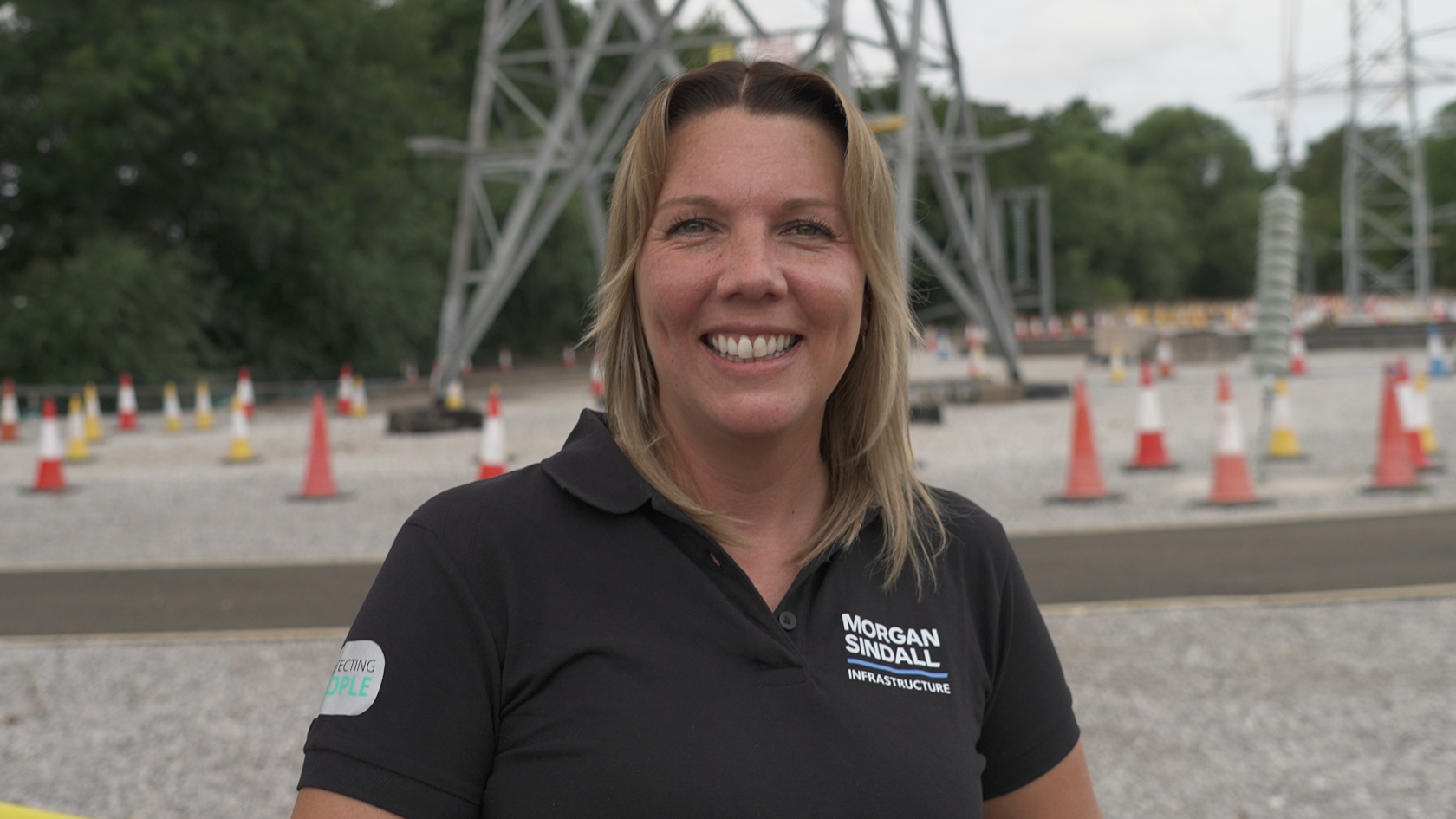
Maria Aderonmu went from a political science degree to a career at Morgan Sindall Infrastructure, a company that delivers infrastructure projects across energy, defence, rail and more in the UK.

Now working in strategy, Aderonmu often has to think on the go and says "adapting to each kind of situation" has been one of the biggest things she's learnt through work.

At university, she was involved in the debating society and now realises that has prepared her for thinking on her feet.

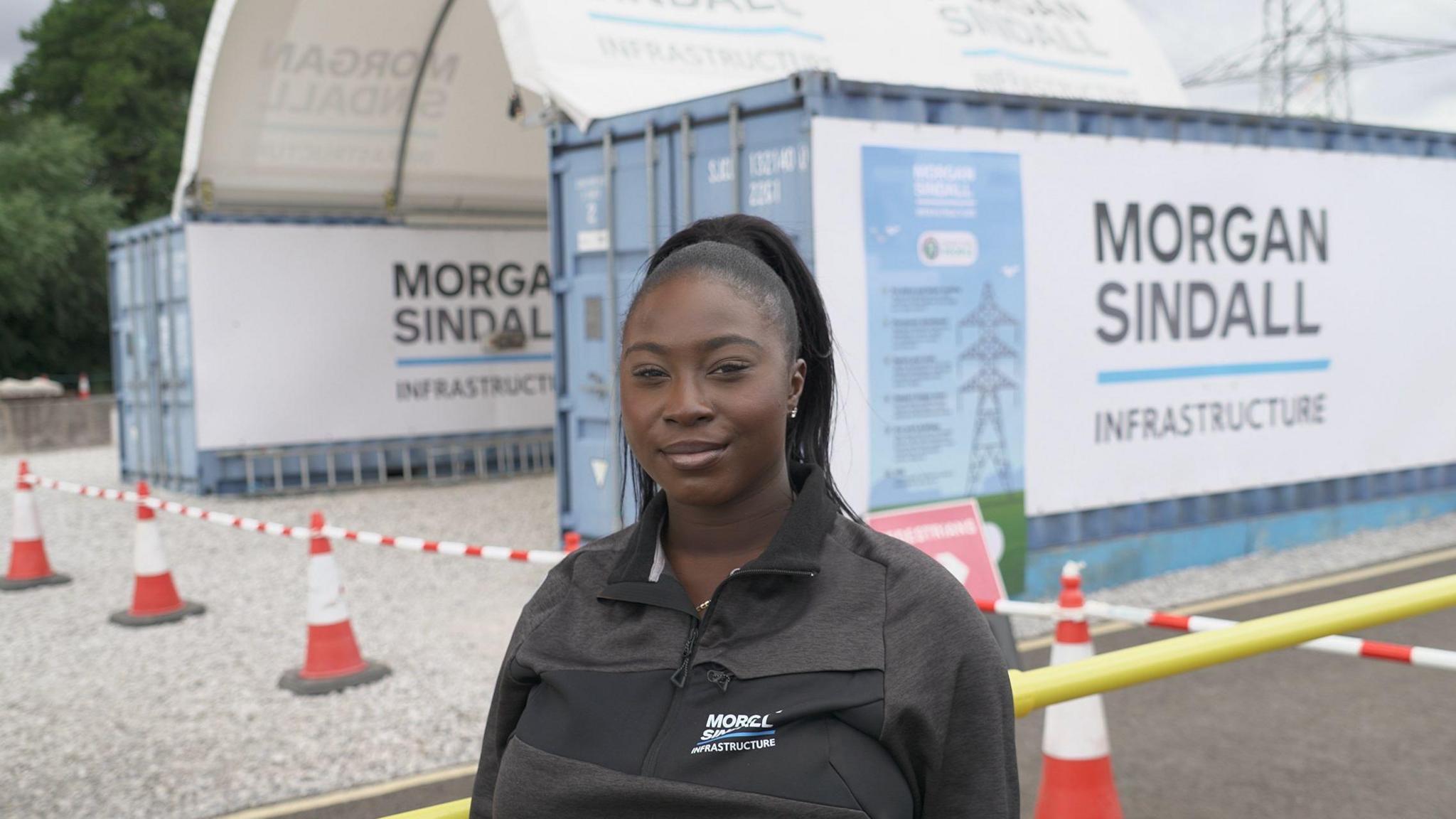
Maria, who works in the construction industry, says time spent in the debating society at university prepared her for thinking on her feet

People director India Chaplin says she doesn't expect "every young person to have come across every scenario".

Her tip is to think about how your experiences of solving problems outside of work - at school, say, or when you have been part of a team - could apply to a work setting.

"There's lots of different ways that people can show the softer skills that we're looking for and how they would approach a problem, even if it was a scenario they've maybe not come across to help think how they would put that into practice in the working environment."

General manager Jake Readman, from North Bar, says "developing communication skills" is key in a busy bar.

It is also important to learn "how to de-escalate and resolve conflict in certain situations", he says.

"Be confident in who you are as a person and your ability to learn new skills and rise to new situations," he added, "and also the ability to show a little bit of initiative."

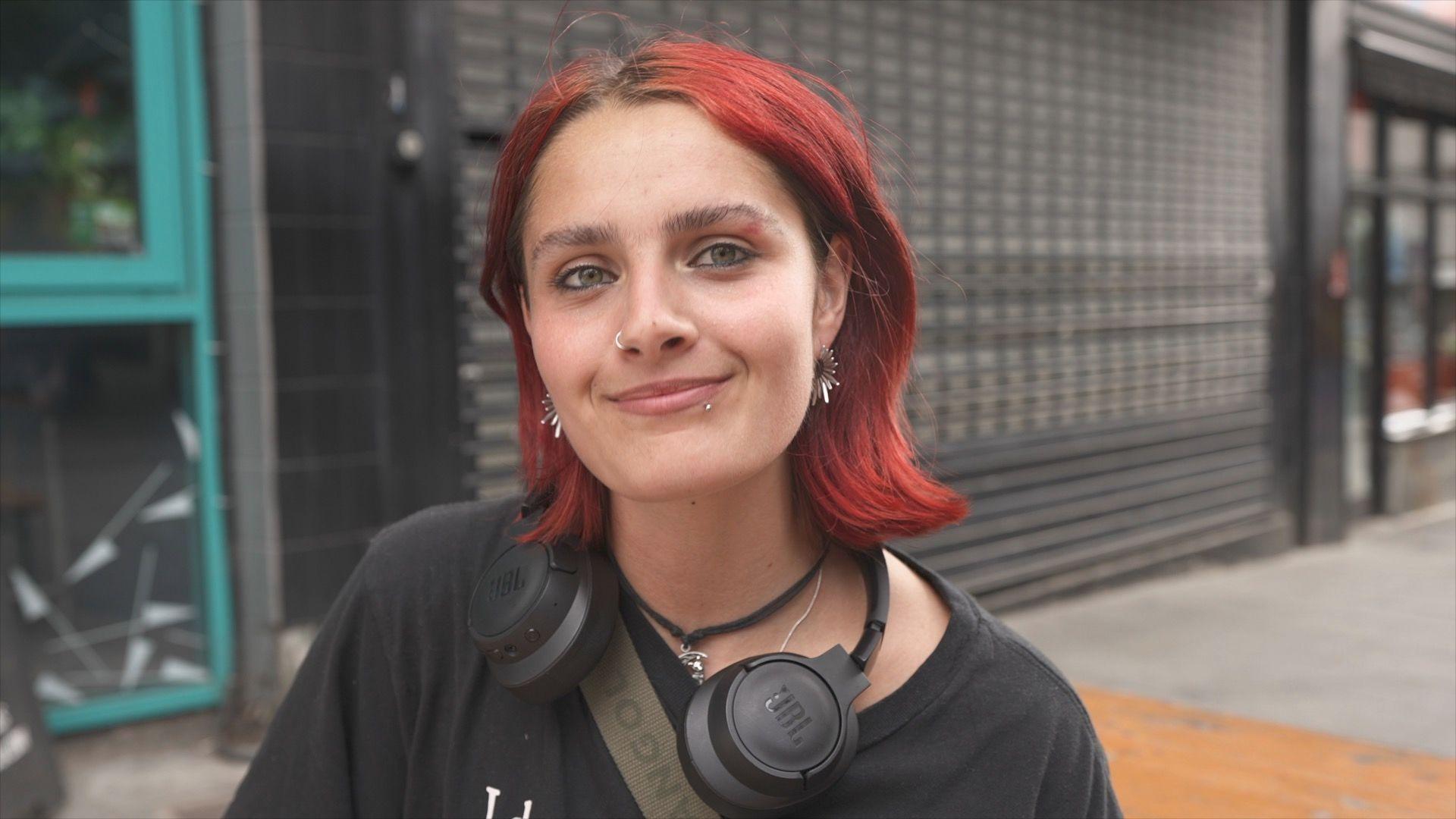
El Cousins says she likes to give her CV in person so that employers "get an idea of your personality"

As we speak to Readman, El Cousins comes into North Bar to hand in her CV.

She says she likes to meet potential employers face to face because "they get an idea of your personality".

"I think that matters quite a lot and that doesn't always come across on a piece of paper or online," Cousins tells us.

Readman is impressed by Cousins and later offers her some shifts.

At Barbour's factory in South Shields,  HR director Lynn Bassett says being able to collaborate is something they look for in everyone they recruit.

"Each department is interlinked with one another so working as one team is really important," she says.

Bassett says what they are looking for when hiring is how people can talk about their own experiences of collaboration.

"They might not have the specific experience that's needed for the role, but we look more at those transferable skills."

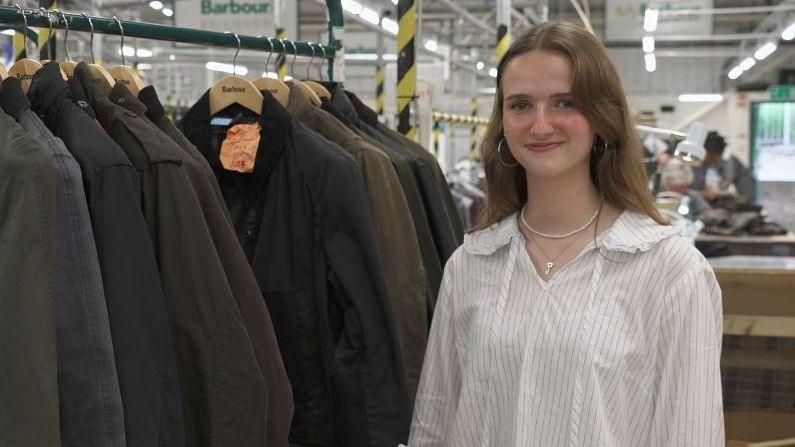
Addie Pattas has started a placement with Barbour during her fashion degree. She says teamwork plays a crucial role

This is something that has become clear to Addie Pattas since starting a placement with Barbour during her fashion university degree.

She works with the side of the factory that repairs old jackets sent in by customers.

Pattas says keeping people in the loop during the process becomes a big part of the work, "communicating with not only the warehouse but also the factory and the shipping team".

Industries such as fashion are more obviously creative, but being able to think differently and come up with an innovative solution isn't confined to one type of work.

At Barbour, Bassett says creativity comes in many forms and they try to uncover that in interview questions.

"We'll ask questions that are quite generic around give us an example of when something's not gone to plan and how did you get it back on track," she says, pointing to how thinking creatively about a problem can often bring the best solutions.

India Chaplin, people director at a construction company, says workers need to be able to evaluate data

In a world of AI, big companies need people to be able to understand and oversee how they handle data.

An important part of this is applying human judgement to discern what is reliable and credible. That's where information literacy comes in as a higher level skill.

Morgan Sindall Infrastructure's people director India Chaplin says that raw data doesn't "tell a story".

"We need to pull that together, we need to think about why it's important, what it's telling us."

For their business it means being able to look at data, for example weather forecasts for engineers working on power lines, and see what is significant to share with other teams.

Jude Hillary, the economist who led the project for NFER, says these human skills are what will allow people to get into and keep work at a higher skill level, even while automation bites.

"This is where the job growth is going to be in the labour market," he says. "It's really important young people come into the labour market being able to compete for these jobs."

And he believes focusing on these six essential employment skills will help young people adapt in a time of huge change.

"It's increasingly likely that during the course of your working life, you might have to make some fairly dramatic changes in what you're doing as your job gets replaced by technology."

An independent review led by Alan Milburn, a former health secretary, has been looking at the scale of young people not working, learning or training.

The interim report said 42% of employers listed a lack of soft skills or work readiness as a challenge when hiring young people. Only 10% cited the resilience of young people which was the next biggest concern.

There is increasing pressure for schools, colleges and universities to focus on giving young people what they need to be work-ready alongside academic learning.

Already, Prime Minister Andy Burnham has signalled that more teenagers should start technical education at 14 and has supported a work experience scheme for 10,000 young people announced this week by the retail chain Sainsbury's.

In September, the final report of the Milburn review is expected to set out its proposals on how to get more young adults into secure work.

Additional reporting by Hannah Karpel.