yahoo Press
ICE officer charged in Minneapolis shooting released in Texas after immediate extradition rejected
Images
1 / 10
2 / 10

3 / 10

4 / 10
5 / 10
6 / 10
7 / 10
8 / 10

9 / 10

10 / 10
BROWNSVILLE, Texas (AP) — An Immigration and Customs Enforcement officer charged with shooting a man and lying about it during the immigration crackdown in Minneapolis was released from a Texas jail on Thursday after a judge refused to order his return to Minnesota.

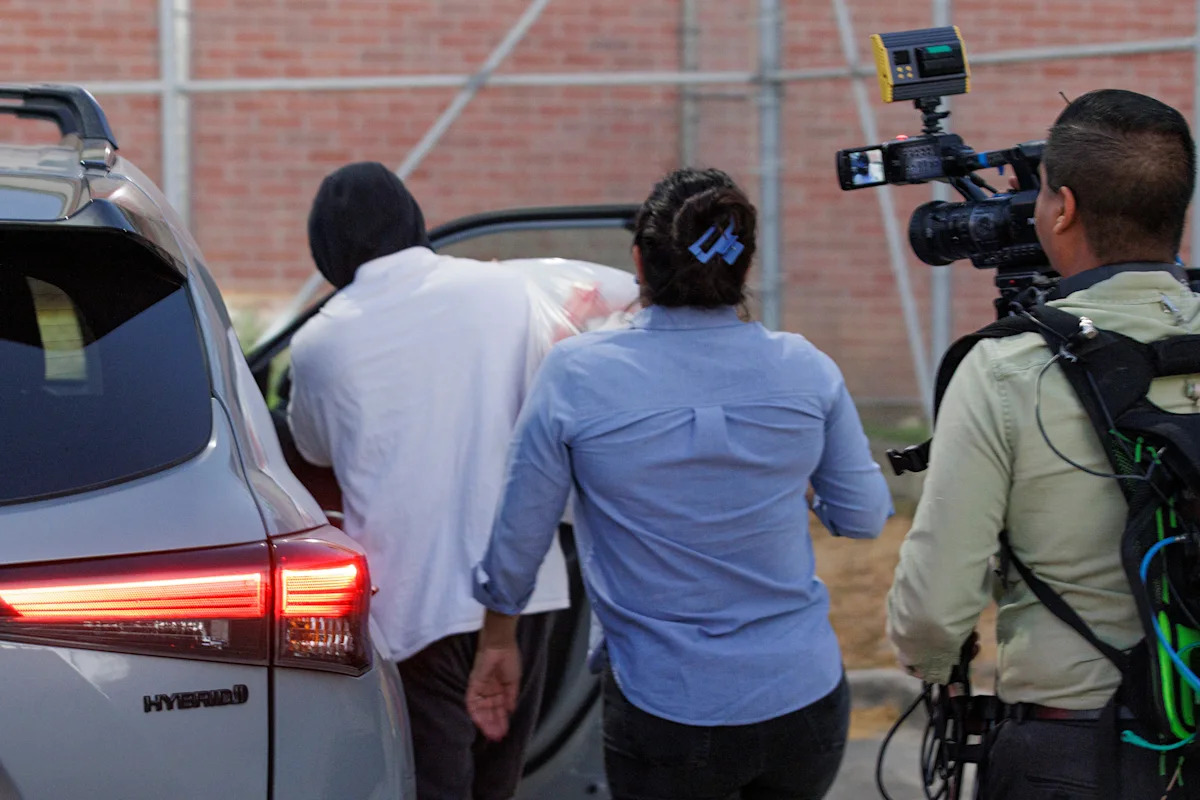
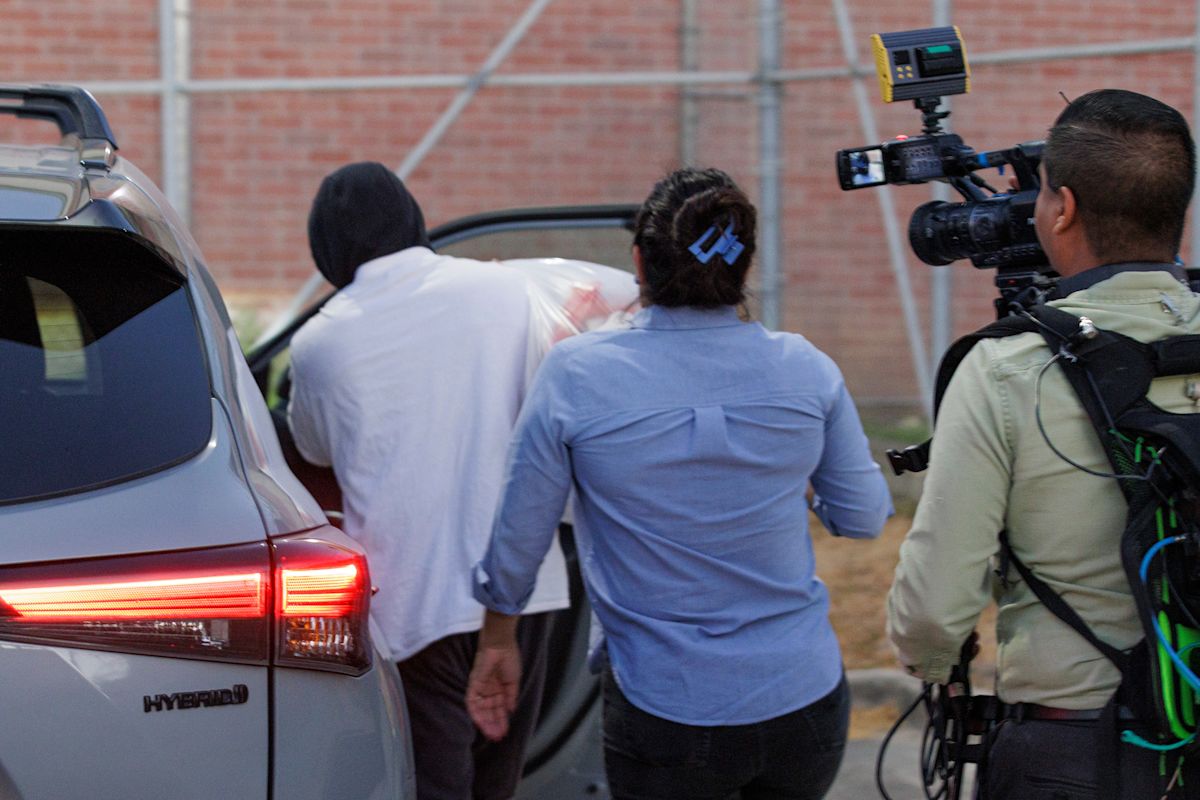
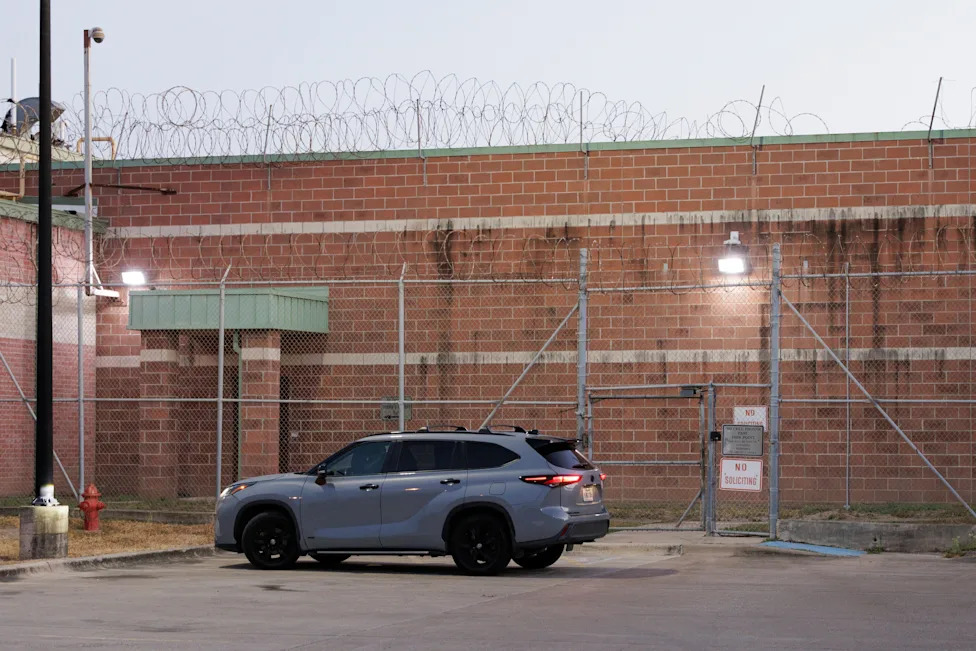
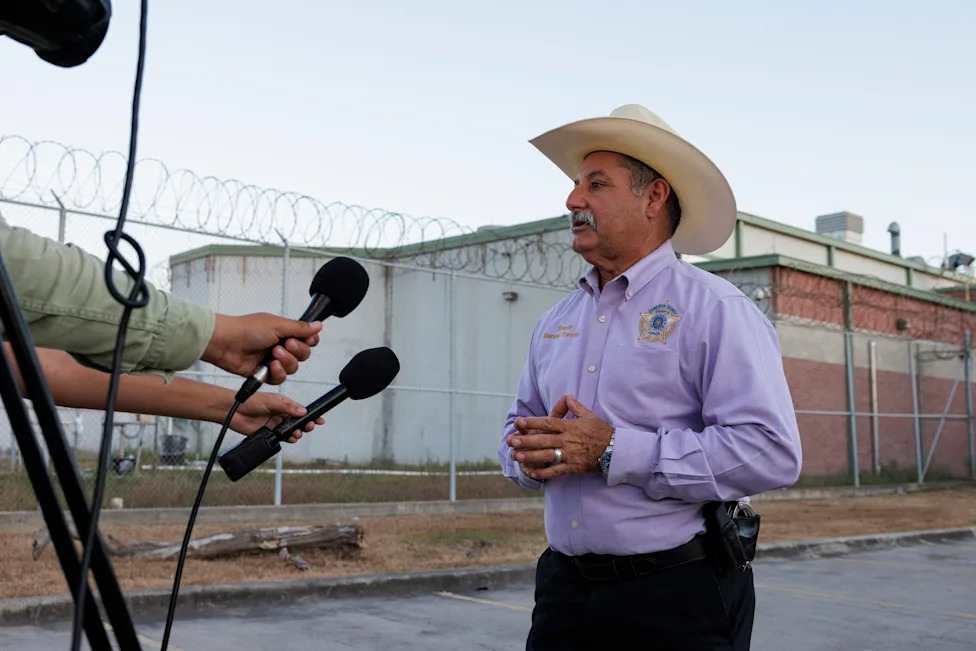
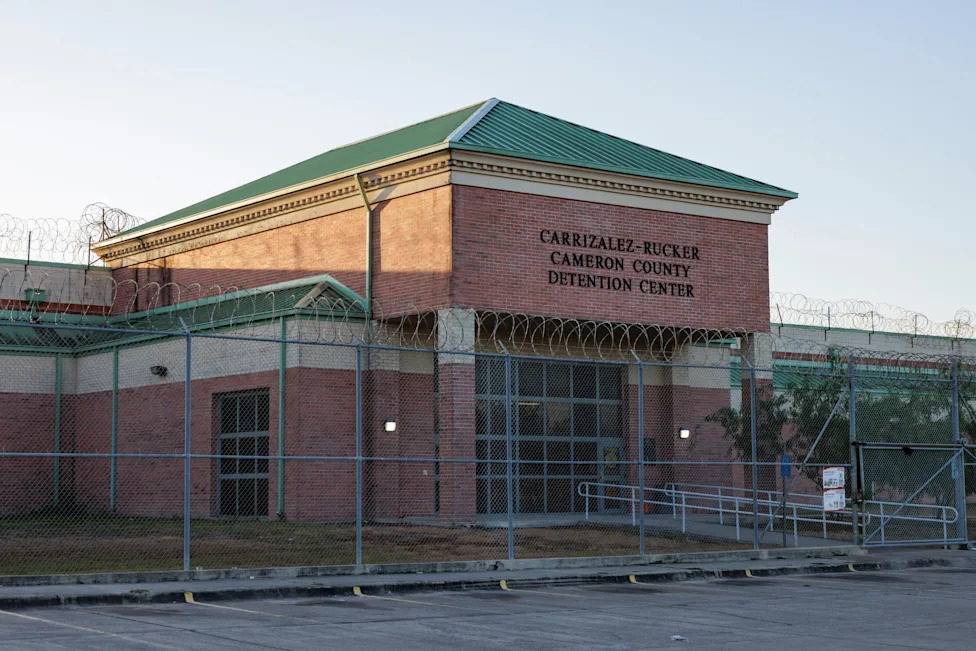
Christian Castro was released at the break of dawn from a detention center in Brownsville. He motioned his hand toward a few camera operators and a reporter crowding around him and quickly got into an SUV that drove off.

A day earlier, U.S. District Judge Fernando Rodriguez Jr. wrote that he couldn't prevent a county sheriff from releasing Castro, nor could he order Texas Gov. Greg Abbott to sign his extradition warrant.

Castro is charged in Minnesota with assault and falsely reporting a crime in the Jan. 14 shooting of 24-year-old Julio Cesar Sosa-Celis.

Castro allegedly fired through the front door of a Minneapolis home, wounding Sosa-Celis in the leg. Prosecutors say Castro also falsely accused Sosa-Celis and another man of attacking an ICE officer with a broom handle and a snow shovel.

After a Minnesota judge issued a nationwide warrant for Castro's arrest in May, authorities, including Minnesota's Bureau of Criminal Apprehension, arrested Castro in Cameron County on May 29. Minnesota authorities then sought his extradition as he remained in custody in Brownsville, a city bordering Mexico.

Texas law required him to be released after 90 days if he was not extradited, which Abbott has so far refused to allow.

Minnesota Attorney General Keith Ellison had sought a temporary restraining order to block Castro's release, warning that he could flee to Mexico. Minnesota's filing cited calls Castro made from jail to a woman in Mexico, talking "about marrying her and buying a house in Mexico when he is released."

The judge conceded in Wednesday's order that Castro could flee the country but said "the threat of injury by itself does not create an issue ripe for adjudication."

Texas attorneys on Tuesday argued the judge could not rule on a decision that's still pending. Abbott has not denied the extradition. Instead he is waiting for the outcome of an internal state investigation considering whether Castro was legally a "fugitive" under the Extradition Clause, the lawyers said.

"The Court concludes that it lacks subject matter jurisdiction because the case is not ripe for adjudication," the judge's order read. "Minnesota cannot premise its causes of action on the allegation that Governor Abbott may violate those authorities in the future; it must prove that a violation has already occurred."

The judge said in his order that the extradition laws do not outline how long the Texas governor can take to make that decision.

Abbott said last week he would not respond to the extradition request, citing the ongoing investigation into fraud in government social service programs in Minnesota, which President Donald Trump used to justify his immigration crackdown there.

After the judge's decision, Ellison posted online that the Texas governor had an obligation to extradite Castro — and that instead, "Greg Abbott is turning Texas into a sanctuary state for violent criminals."

Abbott responded to Ellison online as well.

"You guys are such bad lawyers. You showed up unprepared, uninformed & unpersuasive," Abbott wrote online. "You don't know the law & it showed."

The Texas governor accused Minnesota of refusing to enforce immigration laws and threatened to send immigrants in the future to their state as he did with New York City, when thousands were released into Texas under President Joe Biden's administration.

A message seeking reaction from Ellison was sent to his office Thursday.

___

Valerie Gonzalez reported from McAllen, Texas. Associated Press writer Kathy McCormack in Concord, New Hampshire, contributed to this story.