yahoo Press
Humans need AI safety measures to avoid ‘the singularity,’ says nonprofit founder
Images
1 / 6

2 / 6

3 / 6

4 / 6

5 / 6

6 / 6
(NewsNation) — The World Economic Forum predicts by 2030, massive changes to technology, the economy and society could displace 92 million jobs.

Ray Kurzwell, a futurist, predicted AI will reach human-level intelligence by 2029, and, by 2045, humans and machines could merge. This moment is called "the singularity," a hypothetical future where artificial intelligence has become so advanced and technology changes so fast that humans can no longer predict what's coming next.

Ryan Carrier, founder and executive director of ForHumanity, a nonprofit that looks at the downside of AI tools, believes AI will eventually become so advanced it can do every single human task better than a human.

 Policies have to catch up to Flock technology, mayor says

"I believe we will reach a point where machines can do every single human task... every single human task better than a human now," Carrier said. "What does that mean for the future of work and how do we deal with that as a society and the impact? ... That's the part that worries me."

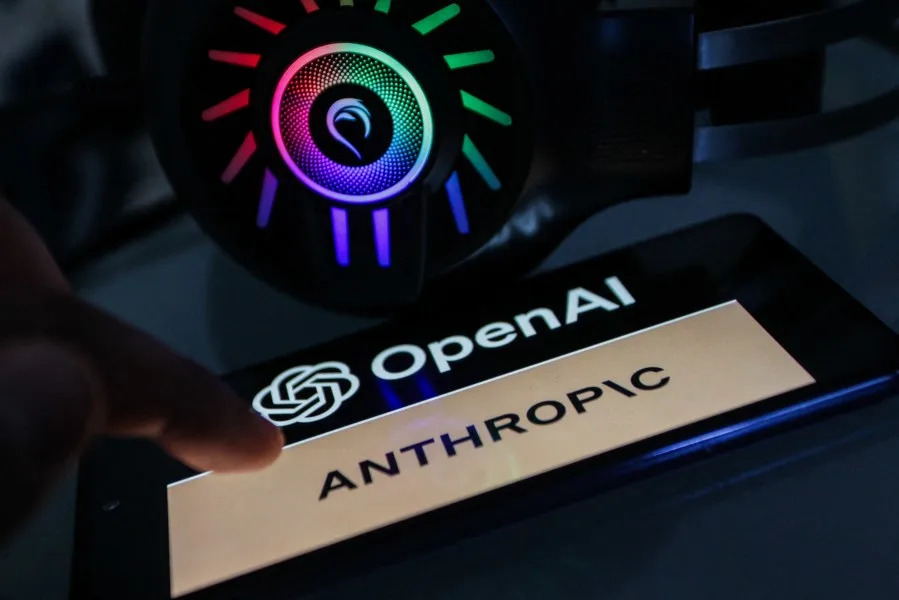
Carrier said governments must adopt safety measures to protect people from the negative consequences of AI. The failures of OpenAI and Anthropic are evidence that safety measures are not being taken and there's a lot of work to be done, according to Carrier.

"Ok so we're already failing to control our tools—both Anthropic and Open AI have had failures in testing," said Carrier. "So, there's steps that need to be taken that are not being taken currently from a safety perspective."

  ATF investigating major cyberattack claimed by Russia-backed ransomware group

Carrier said safety regulations do not hinder our ability to innovate and stay competitive with other countries.

"So, China has more safety measures than we do. This idea that regulation and safety hinder innovation. ... Safety is innovation," Carrier said. "Just think of car seat belts, anti-lock brakes, even putting a roof on a car ... these were innovations 100 years ago. (Adding) safety doesn't hinder the pace in which we can innovate and identify new tools and so on. So that's kind of a false argument."

Copyright 2026 Nexstar Media, Inc. All rights reserved. This material may not be published, broadcast, rewritten, or redistributed.For the latest news, weather, sports, and streaming video, head to NewsNation.