buzzfeed Press
“I WILL NEVER SET FOOT IN THAT TOWN AGAIN”: 76 Places Around The World People Recommend You Never, Ever Visit
Images
1 / 20
2 / 20

3 / 20
4 / 20
5 / 20
6 / 20
7 / 20
8 / 20
9 / 20
10 / 20
11 / 20
12 / 20
13 / 20
14 / 20
15 / 20
16 / 20
17 / 20
18 / 20
19 / 20
20 / 20
“Overall, it was a really strange place, in a way that makes the pit of your stomach tense up, and makes you want to run away.”

Hi, I'm the Latine Editorial Lead at BuzzFeed and cover a little bit of everything, from quizzes and true crime to celebrities and pop culture.

Hey, you! Have you visited or passed through a city, town, or other place that was so eerie, you won't ever forget it? Tell us about it in the comments or anonymous form at the end of this article.

Note: The following submissions are simply people's opinions. If you're from one of these places and think they got it all wrong, set the record straight in the comments!

Bountiful is a small community of the Fundamentalist Church of Jesus Christ of Latter-Day Saints — a sect of the Mormon church. Founded in the 1940s, they are known to practice polygamy, which is illegal in Canada.

"I was there in the '60s and early '70s, and it was a great place to live and holiday. It's fucking terrifying now."

"It was the first time in my life that I really understood why people share stories of the unquiet dead. Sometimes, you know that something atrocious and unforgivable has happened in a place, and you cannot imagine that the sorrow and fury of the dying would simply disappear."

—u/Enragedfrog and u/ColonelGonvilleToast

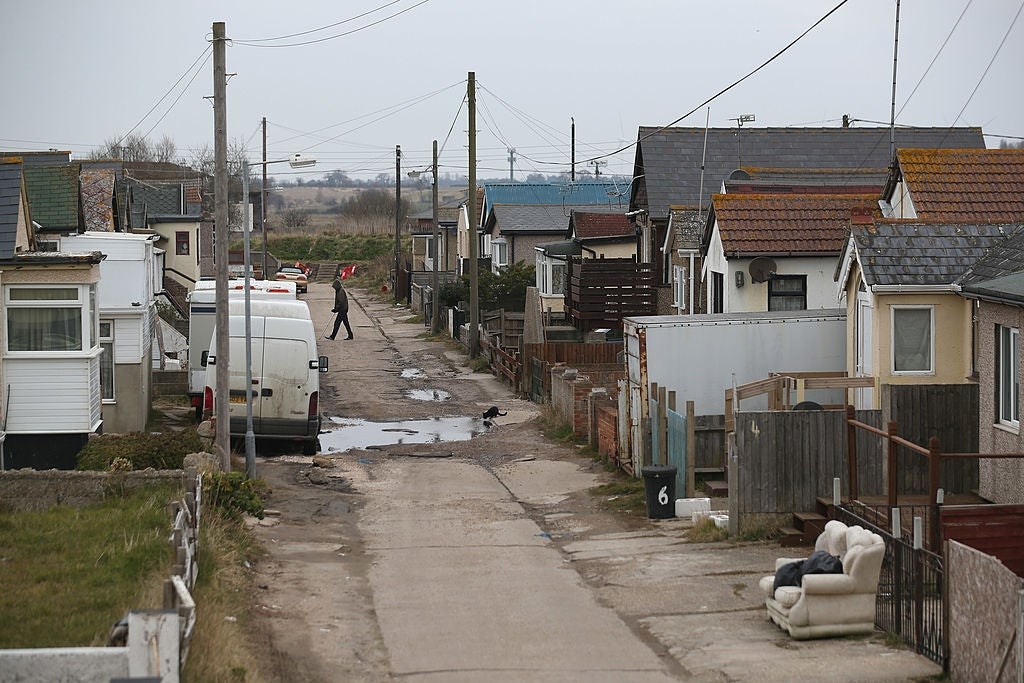
OP went on to explain the history of the town. After the Great Chicago Fire of 1871, Blytheville became a hotspot, utilizing its abundance of lumber to rebuild the city. With the lumber boom also came some roudy company and the rise of saloon culture, which gave the town a bit of a bad reputation in the 1880s and '90s.

*Per Census Reporter, the population of Sand Mountain is 93% white.

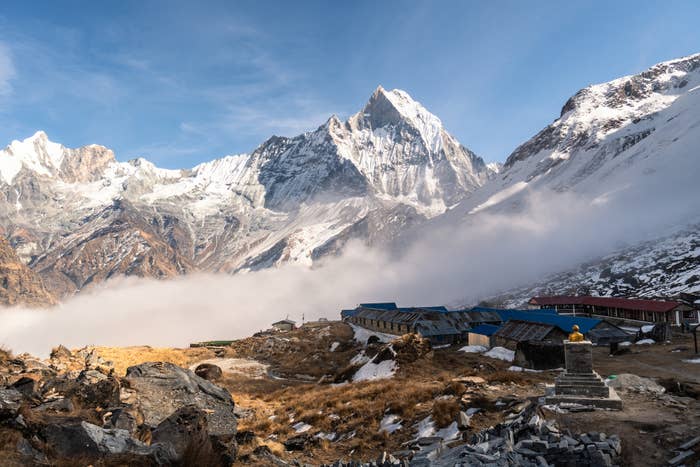
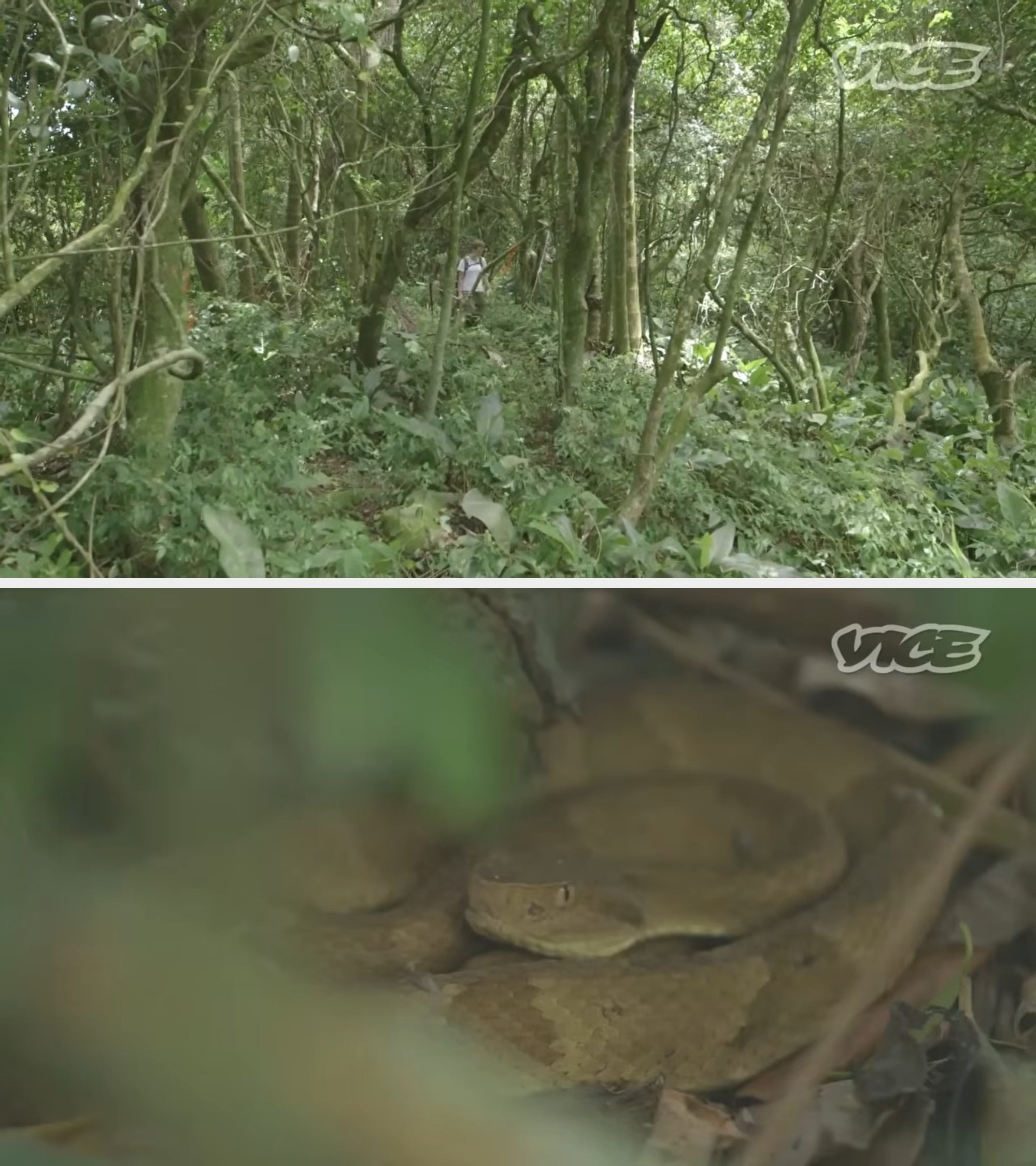
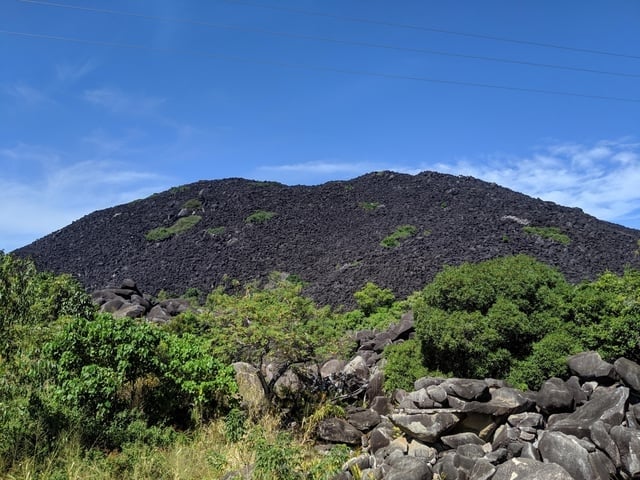
"For a start, we couldn't get a fire going. There was a fire ban, so we had to use a gas stove instead of a campfire. Even then, we struggled to get the fire to light or stay lit. It was basically just enough to boil water and cook a tiny amount of food, and it never felt hot. Besides that, though, the place felt...occupied. I felt like it knew we were there, and was curious about us. I didn't feel unwelcome; I didn't feel like I was being watched. But it didn't feel like the empty bush.

When I woke up in the morning, I found my bag had been opened, and my stuff had been thrown around, likely by the possums. I lost my torch on the climb to the peak. Somehow, on the way back down, a man came from behind, passed us, then gave me my torch back. I have no idea where he came from or how he found my torch amongst all the grass, rocks, and bushes.

There's a logical explanation for all of it, of course. The rainforest feels very different to the bush; the guy probably climbed the other face starting early in the morning; possums are known to have a 'fuck around when they feel like it' attitude. But it certainly felt like *something* lived there and was veeery curious about us."

"The history of the place is that it used to be a military complex, and much of the town was built up because of its strategic location during WWII. The one building was built to house military personnel and their dependents, but by the time it was finished, basically all military operations in the area had finished, so it was only ever used residentially.

A lot of people only live there seasonally, from what I gather, and nowadays it's a bit more of a tourist town. I remember talking to a coffee shop owner who said they only stayed in town for the cruise ship season, about six or seven months out of the year, and then they go to Florida.

It is very beautiful, though. There's a relatively unknown waterfall behind the main apartment complex, and there's a gorgeous hike through the rainforest that goes up the mountain behind the building and gives you a great overlook of the town and the port. It is kind of creepy...the second largest building in the town is abandoned, and some of the people can be a bit overly-friendly."

Whittier has about 200 residents, almost all of whom live in the Begich Towers.

"It is just openly white supremacist. I'm white, and I felt unwelcome there."

An underground mine fire has been burning beneath the town since at least 1962. While most of the small town's residents have fled since then, a handful have remained.

"I stopped in there on my way to the north rim of The Grand Canyon back in 1999. This is not just Mormons, but Warren Jeffs's polygamous sect. I went into the grocery store to get supplies. All the young women wore 19th-century style clothes and would not look me in the face when they spoke to me.

They tried to establish a compound in Texas several years later and Jess was arrested. Their idea of marriage was 50-year-old men marrying 12-year-old girls."

"So many polygamists. You can feel how unwelcome you are as you enter the town. We stopped there once on a family trip to get gas. A police officer immediately parked behind us and wanted to know where we were going and how long we were going to be in his town. He didn't leave until we did and he followed us until we got to the town border. We never stopped there again. It's basically a cult town."

"I did some engineering co-op assignments in the Golden Triangle area (Beaumont, Orange, Port Arthur) back in the early '90s. Everyone I worked with warned me to never stop in Vidor for any reason. I took their advice to heart. They said the town's claim to fame was being the former national headquarters for the KKK, and that there was a billboard on the stretch of I-10 that passed through Vidor that would occasionally get spray painted with the message '*n-word*, don't let the sun go down on you in Vidor.'"

"It's an abandoned lead and zinc mining town that produced most of the lead for the World Wars. The town is riddled with sinkholes from poor mining practices and is the largest EPA superfund clean-up site. It’s now abandoned from a combination of people dying of lead poisoning, orange sulfuric acid waters, and a large tornado a few years ago."

Large "chat piles" were left behind after the lead and zinc they were mining for were separated from them, and could reach heights of 300 feet. They were made up of "crushed limestone, dolomite and silica-laden sedimentary rock," and "became an integral part of the local culture," as locals had picnics on them and the high school track team trained on them. Chemicals from the piles, such as lead, zinc, cadmium, arsenic, iron, and manganese, polluted the nearby creek, turning its waters red. Residents began experiencing physical symptoms of exposure to the heavy metals, including high infant mortality rates, high lung cancer rates, and the chronic lung disease pneumoconiosis having a rate 2,000% higher than the average. You can read more about the town here.

This person isn't exaggerating about the roundabouts — the city has 160+ in its 49 square miles, making it the city with the most roundabouts in the entire US.

The Upper Peninsula makes up roughly a third of Michigan's land area, but only 3% of its population.

"So I made it out of town and kept heading on my way, finally making it safely to my destination. Later on, I Googled the town, and what I found was wild. For a small town, it was full of gruesome murders, like one woman murdering another pregnant woman to get her baby, a guy terrorizing the entire town to the point where they just all kill him in the street, and murders from the 1800s. That kind of thing.

It creeped me out more than any other place on three continents I've been on."

"Drove through on a delivery run. The town looked shuttered, boarded up, and random people were out on the street doing nothing; only places open seemed to be drug rehabs. A once thriving little river boom town, now abandoned, dirty, rundown, and mostly empty. It wouldn’t have surprised me to see zombies. But at night? Place is beautiful. It was lit up like Christmas (it wasn’t Christmas), with lights on in the buildings, street lights, the whole deal. It looked perfectly normal at night. Weird place."

The city, originally called Hot Springs until the '50s, is known for its namesake. "T or C," as it's called by locals, was renamed after the '40s NBC radio show, Truth or Consequences.

"The Outer Banks in the winter feels like they are lost in time and space, it's VERY eerie."

"The town felt very destitute and empty, really. A few people were wandering around, but I didn't stick around for very long. Went across the river for dinner, and it was more lively there. Honestly, I don't think I'd ever spend much longer than a few hours there. Lots of tourist traps around there, too. With the context of the tragedy, I felt like it was in poor taste, but hey, why would anyone else visit the town?"

The Silver Bridge tragedy, which this person is referring to, occurred in 1967, when the bridge from Point Pleasant to Kanawha, OH, suddenly collapsed during rush hour, killing 46 people. The Mothman is a cryptid reportedly seen in the area before tragedies, like the bridge collapse.

In 1937, Marie Green Walkup smothered and speared her four children through the heart with an ice pick, and then reportedly committed suicide, while her husband was away. She left a note nailed to the front door, saying, "Because of my lack of discipline, the children are happier to go this way. Only grief would come to them..."

—Anonymous, 54 Mission Viejo, California

The massacre this person is reffering to is the Rosewood Massacre, which began on the first of January in 1923 and lasted several days. White vigilante mobs violently beat and shot members of the small, predominantly Black town, and set their homes on fire. It's believed the catalyst for this race riot was a woman named Fannie Taylor, who lived several towns over and claimed a Black man assaulted her. It's believed that Fannie may have actually been partaking in an extramarital affair and lied so as not to get caught.

"It's a really eerie corner of the world, and as someone who's spent a lot of time in tiny back towns across the western states, the Salton Sea area is definitely unique in my memory."

"I was merely walking down a street to look at some of their 'historic' landmark plaques and was followed by a sheriff's car the whole way. The whole place gave off a vibe I have only experienced second-hand while watching fiction movies; it was weird."

As for the whole "center of the universe" thing, in 2004, its mayor declared it so, claiming it can't be proven or disproven. It's commemorated with a manhole cover and an annual celebration.

"Feeling creeped out, I slowly drove a bit more and came out on top of a mountain looking down into the city valley. The fog smelled like hotdog water. I didn't know it then, but that was due to the paper factory.

As I drove into town, it was just one storefront after another. It all felt like a Steven King movie. The whole town seemed like a zombie insect — dead, but still moving somehow.

As if all that wasn't enough, the cherry on top was seeing a few Nazi flags flying in front of people's houses. After seeing those, I got out of there as fast as I could."

"Early one morning at a gas station, my friend was pumping gas and I looked across the windswept street to see four very attractive young ladies with long, wind-swept hair and long, faded desert gowns. Their heads were close together as they chatted secretively and watched me. I turned my head and told my friend, 'It looks like we may have company.' He looked back and said, 'Who?' I turned back, and they were gone.

 There was absolutely no place for them to have disappeared to. It was a wide street, and the area around the station was empty lots. I walked across the street to see if there was a hole in the ground or something. There was absolutely no place for them to have gone. I came back and told my friend, 'They're watching us. I don't know where from, but we are being watched.' That was pure 29 Palms of the '70s. Every day, it was something else strange."

As of 2014, SunDog has left Ruby in the hands of Michael Thistle, the town's caretaker and sole resident.

Amboy is an unincorporated community in the Mojave Desert.

That red, flying saucer-shaped building is called a Futuro House.

"I grew up near Macon. I love it in theory – stunning old houses, great food, awesome live music scene, great nature nearby, some really good shops. But there is something so off about it."—u/AsleepSignificance25

"I went on a road trip to South Georgia with my best friend, and Macon was the last big town we passed through en route to our destination. We stopped for gas near sunset on the edge of town, and despite thinking Macon looked totally fine on paper, I got the weirdest vibe just stepping out of my car. Wasn’t physically sketchy-looking or anything, just weird, just the entire vibe. Couldn’t put my finger on it. My friend (for context, both women) asked if she could run in to use the restroom, and I said no, and that we'd stop somewhere else. I just had this terrible gut feeling, and it wasn’t about any of the people at the gas station; it was just the city as a whole."—Anonymous

Note: Submissions have been edited for length and/or clarity.