buzzfeed Press
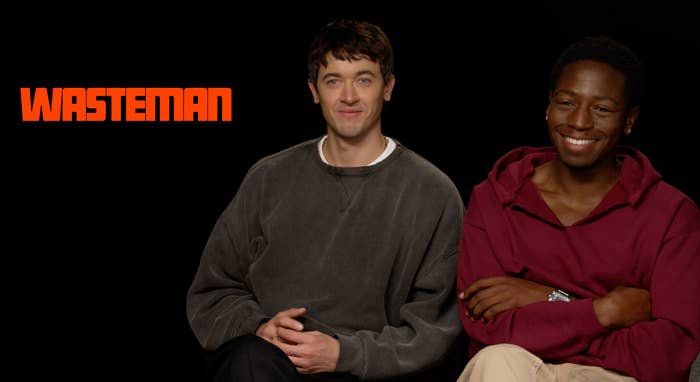
David Jonsson And Tom Blyth Discuss Playing Cellmates, Body Transformations, And All Things "Wasteman"
Images
1 / 9
2 / 9

3 / 9
4 / 9
5 / 9
6 / 9
7 / 9
8 / 9
9 / 9
"He was there just living off black coffee, basically. He looked like we could blow him away."

David: I think it was, first of all, the feeling that you're doing something that has a bit of social relevance. You know, about our prison system: how do we reform people? How do we show compassion and love? Also, there was this feeling that it was a pressure cooker; we shot in 18 days, it's an indie movie at its core, but it feels bigger.Tom: For me, additionally, it was the fact that it was a character I felt I knew from growing up with these guys; growing up alongside people who just bossed the room because they didn't know any other way of dealing with what was going on inside. Those people scared me growing up, and I probably shied away from them, or tried to appease them, and became a sort of chameleon because of it; it's probably part of the reason I'm an actor.

Tom: I mean, we had Switchback, which is an amazing charity that we worked with, that came on board very early on. They work with prison leavers to integrate back into society in a healthy way. We got to pick their brains, and a lot of them were actually in the film, and we got to constantly check in with them and go, like, ‘Is this feeling authentic? Are we not glamorising it? Are we not exoticising it, but making it feel real?’ I think just having them there made us feel that we had someone to be true to and honour, and not make it 'Hollywood'.David: 50% of the actors there are former prisoners. Yeah, it's a thrilling film, but at its core, again, it does feel like it's something more important.

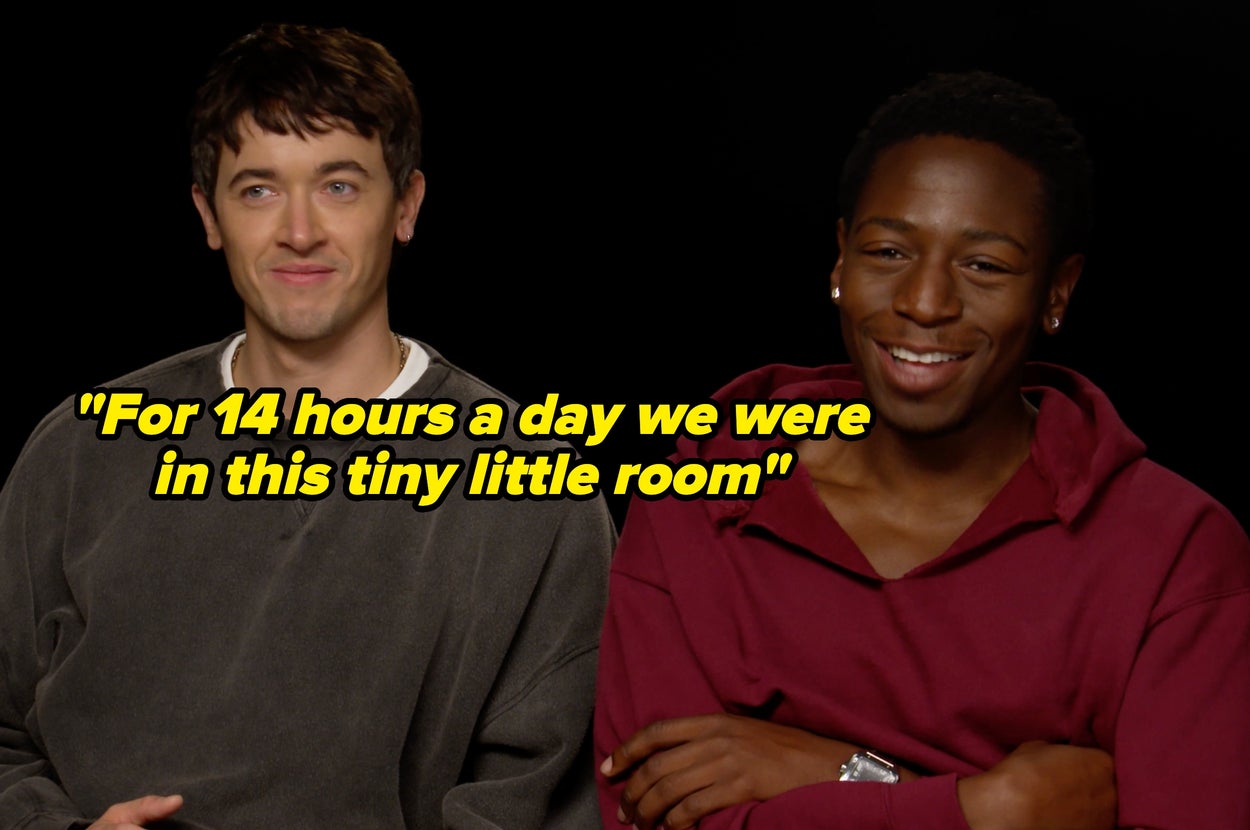
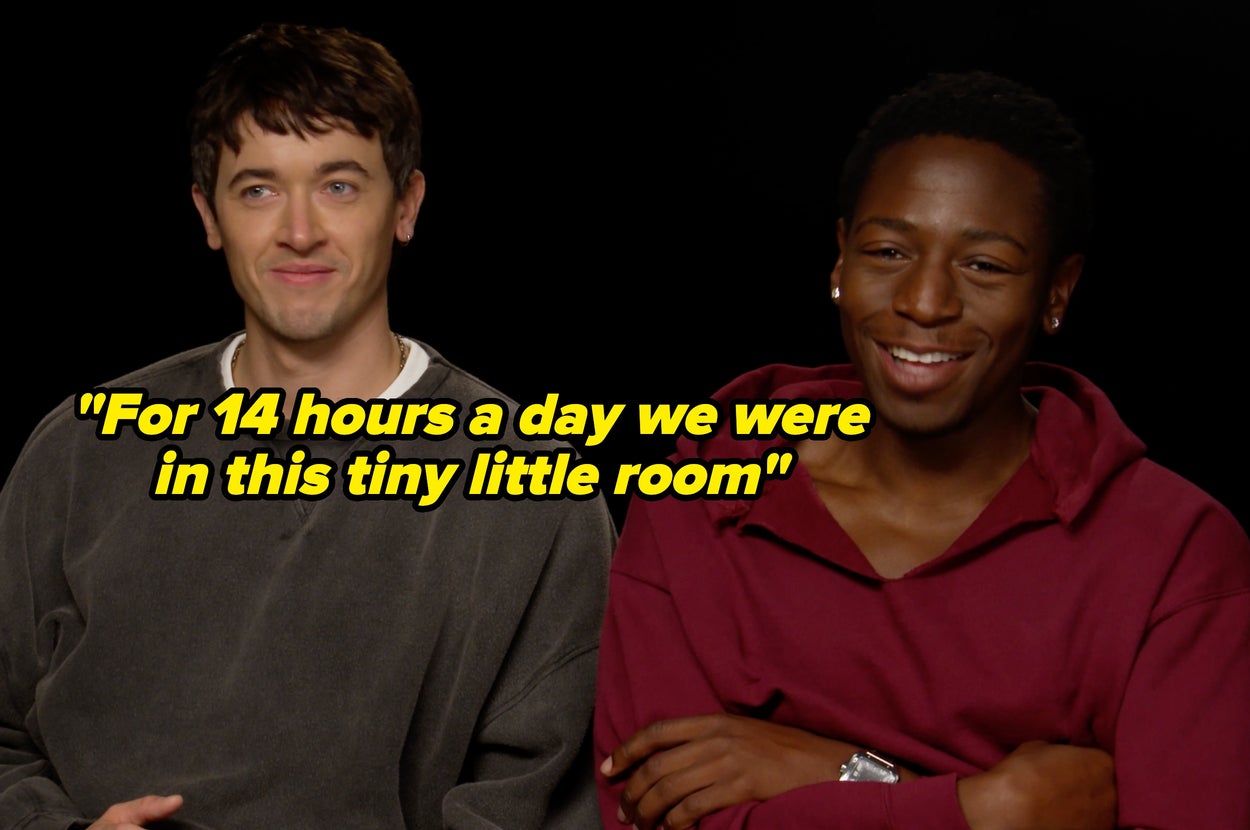
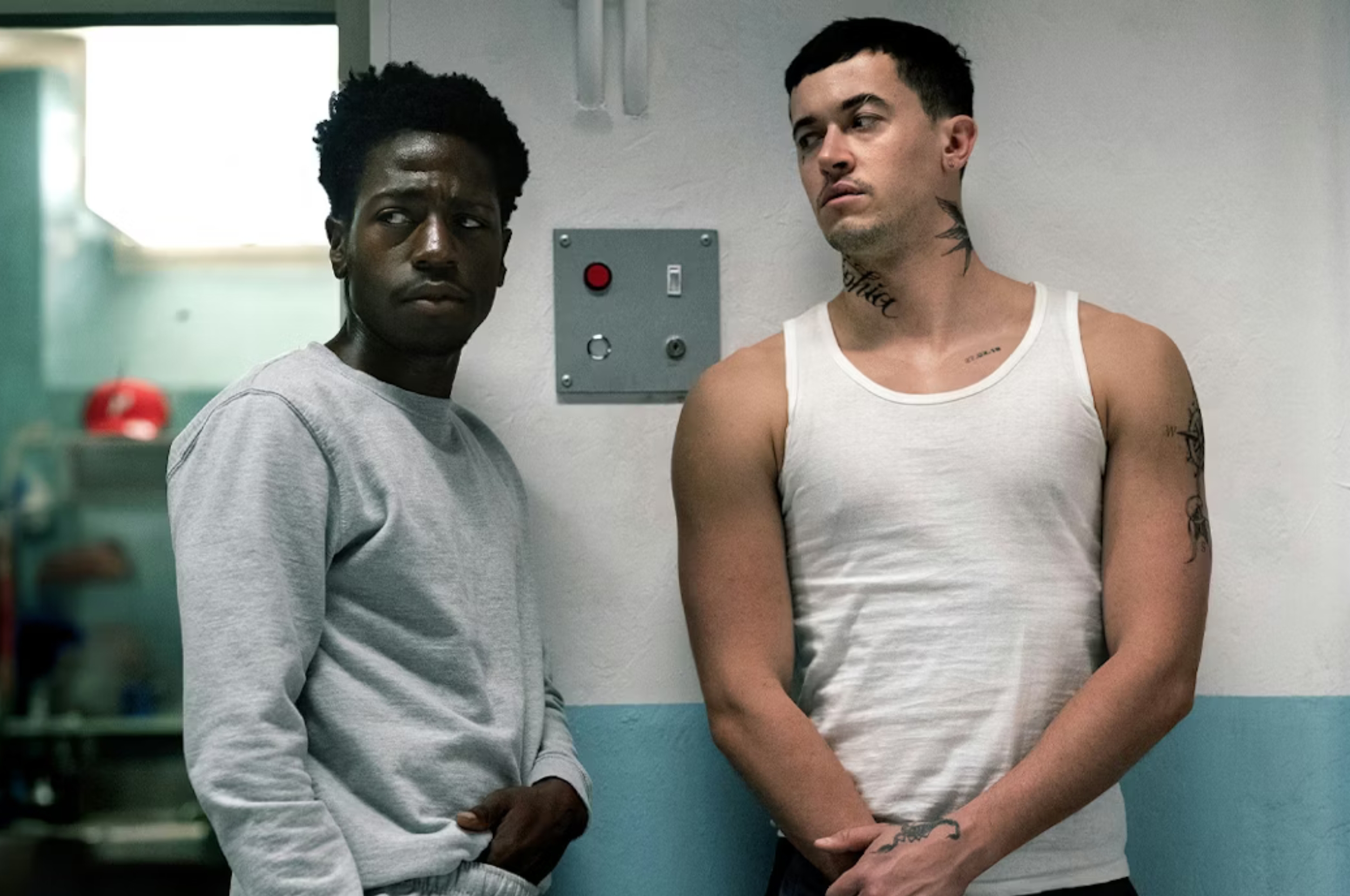
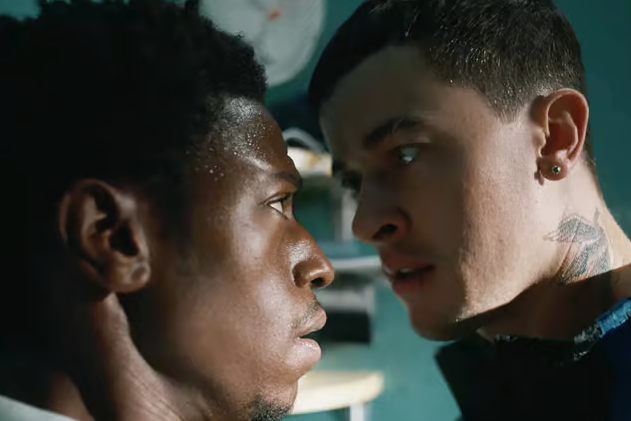
David: Yeah, I mean, Tom and I are decent mates. [smirking] Really good friends. We have the same agent who introduced us, and I’m a big admirer of his work, and we just really get on. But then, obviously, making this movie, you bring that base of trust and extrapolate it into this feeling of chaos, and it makes or breaks you. If anything, it just helped us continue to find that bond, which meant that we could do more of the work. Every single day felt almost like a building block for us.Tom: For 14 hours a day, we were in this tiny little room. Very quickly, you’d start to feel the claustrophobia. I’m bringing a lot of energy, David's receding from the energy, and very quickly, the dynamic became quite real. We’re kind of dodging each other in the space. It’s a testament to the production as well, the designers, and everyone who made it feel like we were in that space.

David: I lost around 35 pounds to play him, not because I wanted to; no one wants to do that. My character struggles with addiction, and it’s something that I definitely understand from my family and my past, so I wanted that to feel true. But also, from meeting some of these former prisoners, it’s so hard to get a smile out of them, not because they’re not feeling emotion, but it does feel like something’s been taken away from them. To do that, I think he just had to feel thin, like really thin, so you can see what’s going on inside him. So I did that, it was about 700 calories, something like that, one meal a day.Tom: I couldn’t believe it when I first saw David, actually. When I came on set, he was there just living off black coffee, basically. He looked like we could blow him away; in a good way, I just couldn’t believe it; the transformation was amazing.

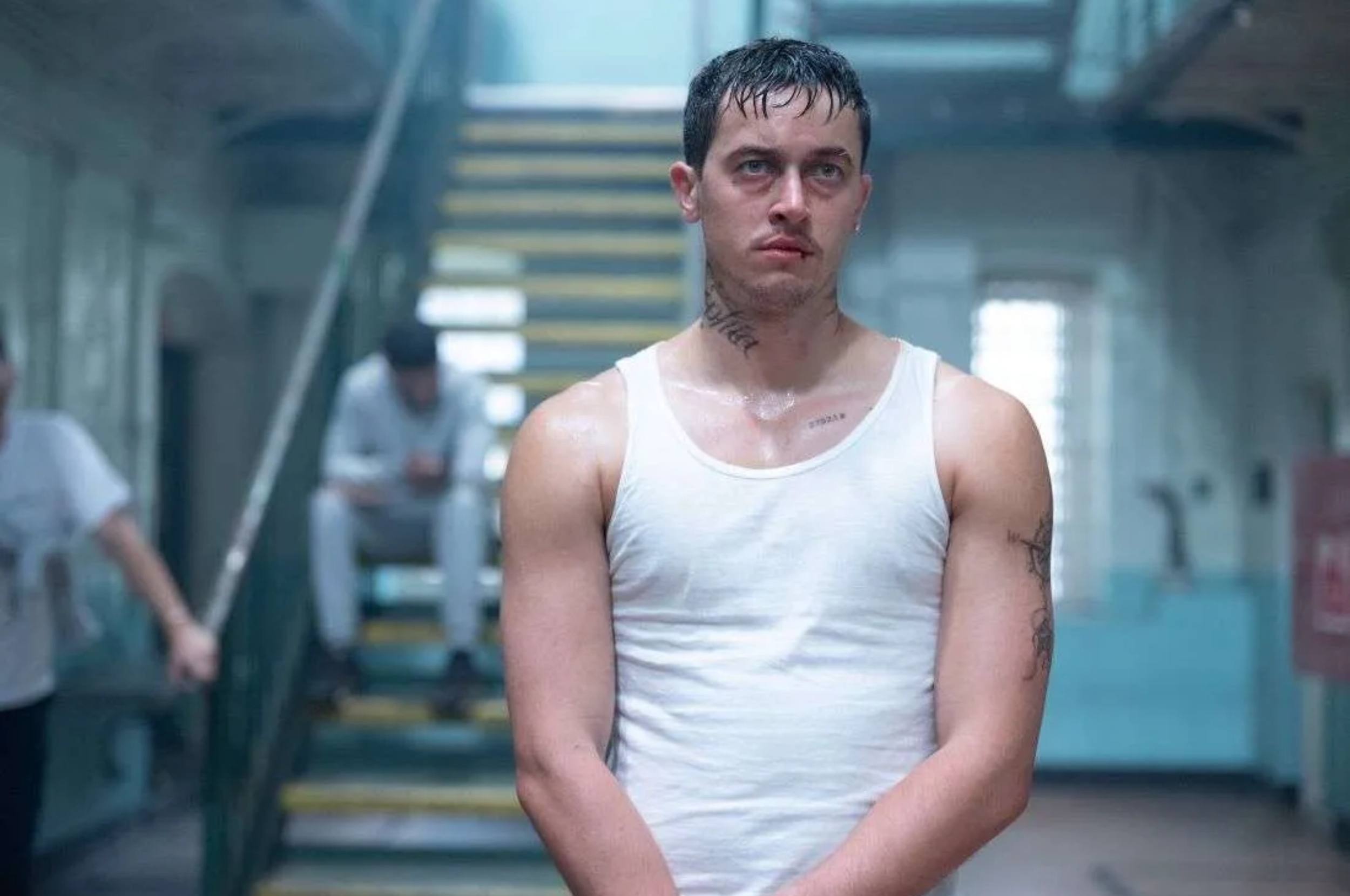
Tom: So in my head, I’d had this dream of doing a Tom Hardy in Bronson type transformation, which was not the reality of this particular project because of time; I was coming straight off another film that I’d finished about three weeks before. So I shifted my view to: how can I do this in an authentic way that still feels like he’s foreboding and he’s a brute?I thought, what would that look like in this UK prison? He’s probably eating greasy, protein-rich, but salty foods. So I started doing that, and then just pumping out push-ups and getting to the gym as much as I could. It became more of a bloated physique, more of an unhealthy physique. Then we put the tattoos on, and very quickly I was like, ‘Damn, that’s a guy you wouldn’t want to mess with,’ not because he’s massive and on steroids, but because he just looks like he would do anything to win.

David: Due to time, we did a lot of one-take wonders. We probably would have liked an extra take occasionally. But I’ll tell you what, there was one scene that I didn’t want an extra one of. I don’t want to ruin it, but there are some bodily fluids exchanged. We did a couple of takes of that one. I wish it were just the one take.Tom: Weirdly, I found the hardest scene for me was the one where they actually have a heart-to-heart in the cell, sharing a zoot. Trying to be vulnerable as my character after not letting him be vulnerable for the whole film was surprisingly hard, I think, because I’d got myself in a headspace where he doesn’t allow himself to be vulnerable and he’s all walled up. So letting the walls down in that scene became genuinely difficult, which I think helped the scene, ultimately. But yeah, I found that one quite hard. Watching David work and be so vulnerable was so moving.David: By the way, that is one of my favourite scenes.