yahoo Press
Women in power: Scatec CDIO Kine Årdal conquers oil and gas, renewables and digitalisation
Images
1 / 6
2 / 6

3 / 6

4 / 6
5 / 6

6 / 6
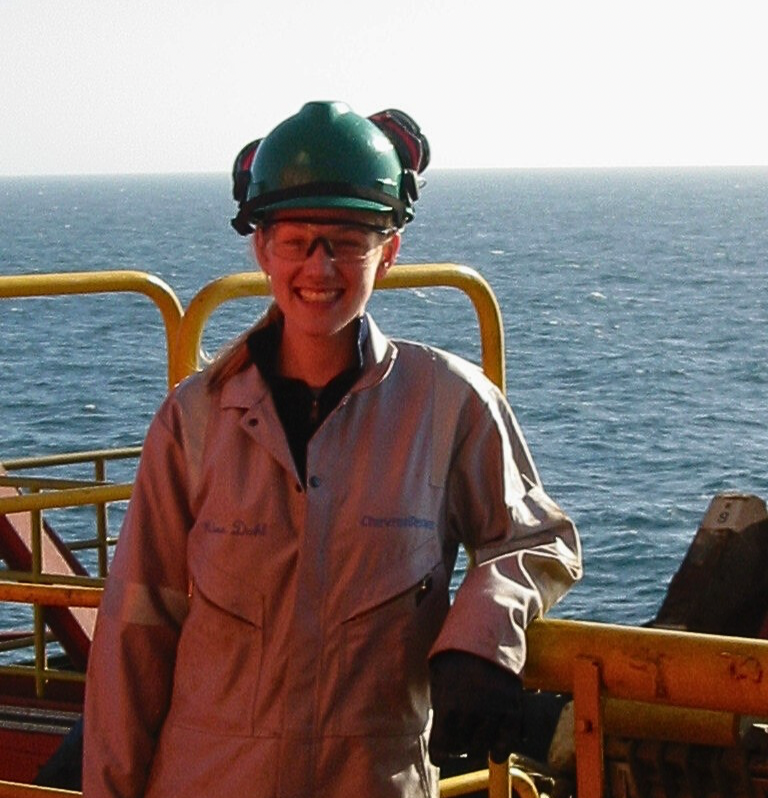
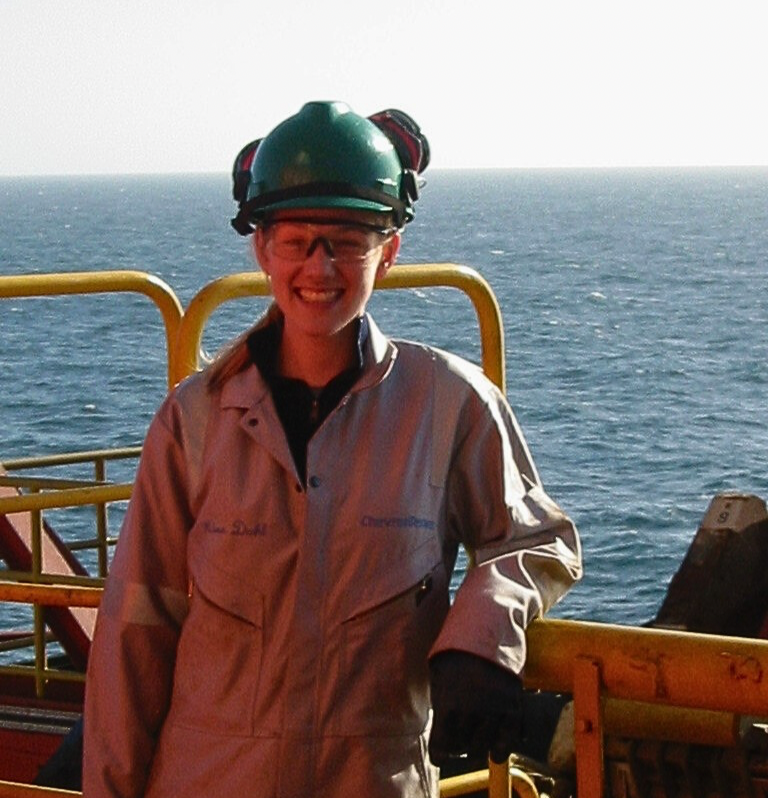
On an offshore platform in the North Sea, surrounded by steel, salt water and almost a hundred men, Kine Årdal was one of just two women on board. It was early in her career, and moments like this made painstakingly clear the gender imbalance of the industry she loved.

This, however, didn’t stop her from pushing forward – and her persistence paid off.

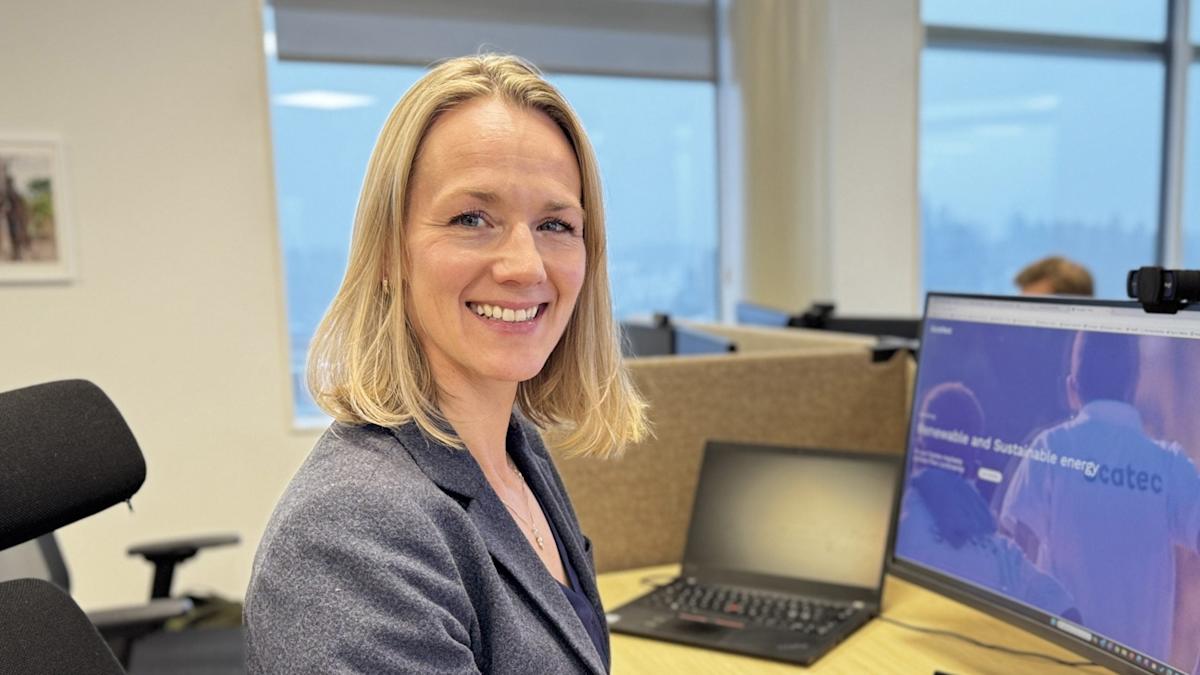
More than two decades later, Årdal is the Chief Digital and Information Officer (CDIO) at Scatec, a world-leading renewable energy company. She oversees the company’s digitalisation agenda, shaping how technology and data support everything from operational efficiency to long-term growth.

Her career didn’t unfold straightforwardly. It zigzagged between disciplines, industries and company sizes, spanning oil and gas, digital innovation and renewables. What connected it all was curiosity, she says, and a willingness to step into spaces – traditionally male-dominated – where she didn’t always feel comfortable or welcome.

Årdal began her professional development at Chevron, where she spent nearly eight years having joined as an exploration geologist and worked her way up to become the lead geologist of the North Atlantic Margin.

Despite this impressive feat, she doesn’t frame these early days as the beginning of a march toward the C-suite, but rather a “trigger for [her] interest in digitalisation”, driven by a love of problem-solving.

“It was like detective work,” she says of her first role in oil and gas exploration. She found thrill in piecing together fragments of data, geology and probability to uncover what lay beneath the seabed.

Those years gave her both technical depth and exposure to the global stage. “It was great for learning and for building an international network, especially early in my career,” she recalls.

After Chevron, she moved to Spring Energy (later fully acquired by Tullow Oil), a much smaller company with around 30 employees. While Chevron was “a large corporation with a very structured approach to career development”, here, she realised she had to proactively pave her own way.

Thus, Årdal, soft-spoken by nature, racked up the courage to articulate her aspirations: “I told my manager that I wanted to become an exploration manager.”

His response? “Wow, you’re very ambitious.”

Although not the most encouraging feedback in that moment, she wasn’t disheartened. After all, it was true – she was ambitious – and she had the prowess and tenacity to back it up.

A couple years in, she indeed brought her ambitions to fruition, given the opportunity to lead a multi-disciplinary exploration technology team of geoscientists and IT specialists. “Even if ambitions surprise people at first, it’s good to express them. Managers aren’t mind readers,” she remarks.

This is also where Årdal’s digitalisation journey officially kicked off, interpreting seismic and well data and leveraging technologies to conduct prospect evaluation and portfolio analyses. “In exploration, it’s not just about finding oil and gas,” she says. “It’s about finding insights before your competitors.” This determination to unlock better ways of working – and better business outcomes – drove her deeper into the world of digitalisation.

She moved on to Pandion Energy, where she served as digitalisation manager and built the company’s data analytics platform.

Simultaneous to her digital awakening, however, Årdal began questioning whether to stay in oil and gas or move into clean energy. “Making that shift in industry isn’t easy. My network and experience were all in oil and gas,” she says.

Digitalisation became the bridge.

After a brief tenure at AI and software company Cognite, she landed her current role as Scatec’s CDIO to lead digital strategy across a global renewable energy portfolio. “Even though the data and business models are different, many of the challenges and solutions [for hydrocarbons and renewables] are similar,” she notes.

Årdal doesn’t consider the move as a rejection of her past: “I find energy so exciting – whether oil and gas or renewables, I love unlocking value from data and information.”

Today, Årdal sits in a role that places her firmly in leadership territory. But this didn’t always feel possible earlier in her career, as she navigated through industries where women were – and for the most part, still are – underrepresented.

Being a woman didn’t always hold her back. Even when working offshore, where 98% of the workers were men, she says: “I was treated well, and there was a good, collaborative atmosphere for women [including myself]”.

However, pregnancy was another story. On the cusp of a leadership programme, she was suddenly seen as “not fit” for the role anymore. “It was one of those moments where I wondered whether it would have been easier if I were a man,” she admits.

There were also subtler instances in which she felt sidelined. She candidly reflects on her experience at meetings: “I don’t have the loudest voice in the room. And if you don’t have the most assertive voice in the room, you might not be heard.”

While these moments stayed with her, she doesn’t look back with any regrets. “Having children was the best thing that happened to me, and I stand by that decision,” she affirms.

What helped was getting perspectives from other women in the industry. When she joined Norway’s Female Future programme – a leadership and board education initiative – she experienced, for the first time, a “safe space” to openly share experiences working in male-dominated industries. “That support network is incredibly important,” she says.

But most important, in managing gender bias at work, was the offset she got from her man at home. She and her husband have always shared responsibilities, as breadwinners and as parents, “because equality only matters if it’s practiced”, she stresses. This balance and teamwork ultimately supported both of their careers and rejuvenated her confidence amid discouraging moments in the workplace.

“Career progression is a family project – you need collaboration at home.”

Årdal didn't let obstacles get to her – she simply carried on: “If one path didn’t work, I looked for another. I stayed curious and continued to learn and challenge myself.”

Over time, the digital chief learned techniques to “make her presence clear” in male-dominated environments, going against her gentler and more reserved inclinations to speak up, raise her hand and physically lean forward.

This assertiveness also translated in career shifts. She recalls when considering a move away from oil and gas, she cold-called people and pitched what she can offer. While most calls were a miss, one person did call her back, setting her career transition in motion.

“I never gave up and eventually ended up in leadership roles anyway.”

For all the momentum that comes with reaching senior leadership, Årdal is quick to dispel the idea that power equals certainty. If anything, she says, the final steps up the career ladder require not overconfidence or self-criticism, but self-reflection.

“It’s important to be honest with yourself and ask, ‘what do I need to learn?’ and work on those aspects,” she advises. “You don’t need to do it yourself. Get feedback from your network and your managers on what you need to improve on to prepare for a leadership role.”

She notes that timing matters, so patience and persistence are key: “It might take some time to upskill, and the right role may not be available even once you do, but put in the work and you’ll be ready when it is.”

This doesn’t mean just sitting tight. She emphasises that “visibility can open opportunities”. Network actively, attend conferences and speak at public forums, she urges, and “you can find yourself in the right place at the right time”.

Once inside leadership, the pressure builds. Seniority often comes with new challenges, like public speaking, which didn’t come naturally for Årdal.

However, she found assurance in preparation. “Knowing my material gave me confidence. When building on facts and research, I came across with credibility, and people listened.”

She also advocates deliberate discomfort; she frequently volunteered to lead programme committees and speak on stage, which she would once have avoided. Before she knew it, speaking in front of anyone, in any environment, wasn’t so daunting anymore.

“Practice really does make perfect.”

“Stakeholder management is also important,” she adds. Especially in senior leadership settings, preparation also involves learning how to deliver your message impactfully, and for this, you must know and tailor to your audience.

Yet, she cautions against perfectionism: “Trying for 100% all the time is exhausting and unsustainable.” Leadership, she has learned, is as much about stamina as performance.

That belief carries into her life outside work. Årdal believes leaders must find an outlet to both “recharge and build a strong mind and body”. For her, that is running and competing in obstacle course races like Hyrox and Spartan Race – gruelling tests of endurance and teamwork, which she considers a metaphor for leadership itself.

“You face obstacles, but step by step, as a team, you get through them,” she says. “I bring those learnings and mentality back to the office.”

Over the course of her career, Årdal has undoubtedly seen “steady improvement” in female representation in the energy and tech workforce, but she is clear about what still needs work.

Appointments for boards and senior roles often happen through familiar circles, which can exclude women. “If people in leadership don’t have enough women in their networks, it’s hard to vote for them,” she says, emphasising that initiatives like female board networks are critical.

Policies also contribute to “how women can progress in the industry”, she notes. While she benefited from Norway granting fair and generous parental leave, she recognises that not all women are guaranteed the same, as such policies still vary widely by country.

“Early in my career, I experienced what it means not to have equal opportunities, and that has shaped both how I lead and how I live,” she says. Årdal now leads a diverse team at Scatec in gender and background. Diversity, she believes, is about perspectives as much as representation: “Different backgrounds, nationalities and functions all add value.”

As the energy sector continues to transform, leaders like Kine Årdal are proving that change doesn’t have to mean starting over. Sometimes, it’s about connecting the dots – between disciplines, industries and people – and paving the way for others like her along the way.

"Women in power: Scatec CDIO Kine Årdal conquers oil and gas, renewables and digitalisation" was originally created and published by Power Technology, a GlobalData owned brand.


The information on this site has been included in good faith for general informational purposes only. It is not intended to amount to advice on which you should rely, and we give no representation, warranty or guarantee, whether express or implied as to its accuracy or completeness. You must obtain professional or specialist advice before taking, or refraining from, any action on the basis of the content on our site.