buzzfeed Press
I Asked A Derm If This Viral #1 Best-Selling $4 Face Mask Is Actually Worth The TikTok Hype
Images
1 / 20
2 / 20

3 / 20
4 / 20
5 / 20
6 / 20
7 / 20
8 / 20
9 / 20

10 / 20
11 / 20
12 / 20
13 / 20
14 / 20

15 / 20
16 / 20
17 / 20
18 / 20
19 / 20
20 / 20
It turns transparent on your face, sells over 100,000 units a month, and promises glass skin. But does it actually work? We had a dermatologist weigh in.

I'm an LA-based trending news writer covering style, politics, and internet culture.

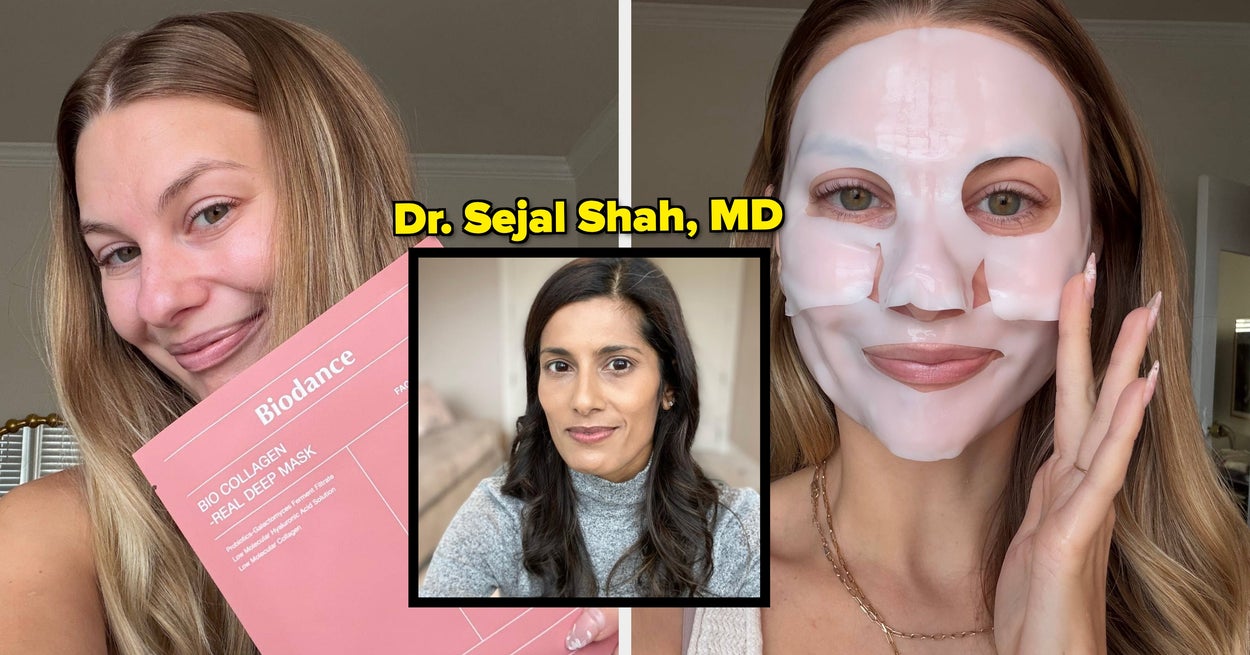
Dr. Sejal Shah, M.D., is a board-certified dermatologist in private practice in Manhattan, with expertise in cosmetic dermatology, lasers, hair loss, and skin of color. She completed her dermatology residency at Mount Sinai St. Luke's-Roosevelt, where she served as chief resident, and is currently on faculty in the department of dermatology. She also completed a clinical research fellowship at the Skin of Color Center.

"Topical collagen is unlikely to significantly increase collagen production or replenish lost volume because the molecules are generally too large to penetrate through the skin barrier," she says. These products mostly hydrate, she says, by temporarily plumping the skin and making it look dewier and smoother in the short term.

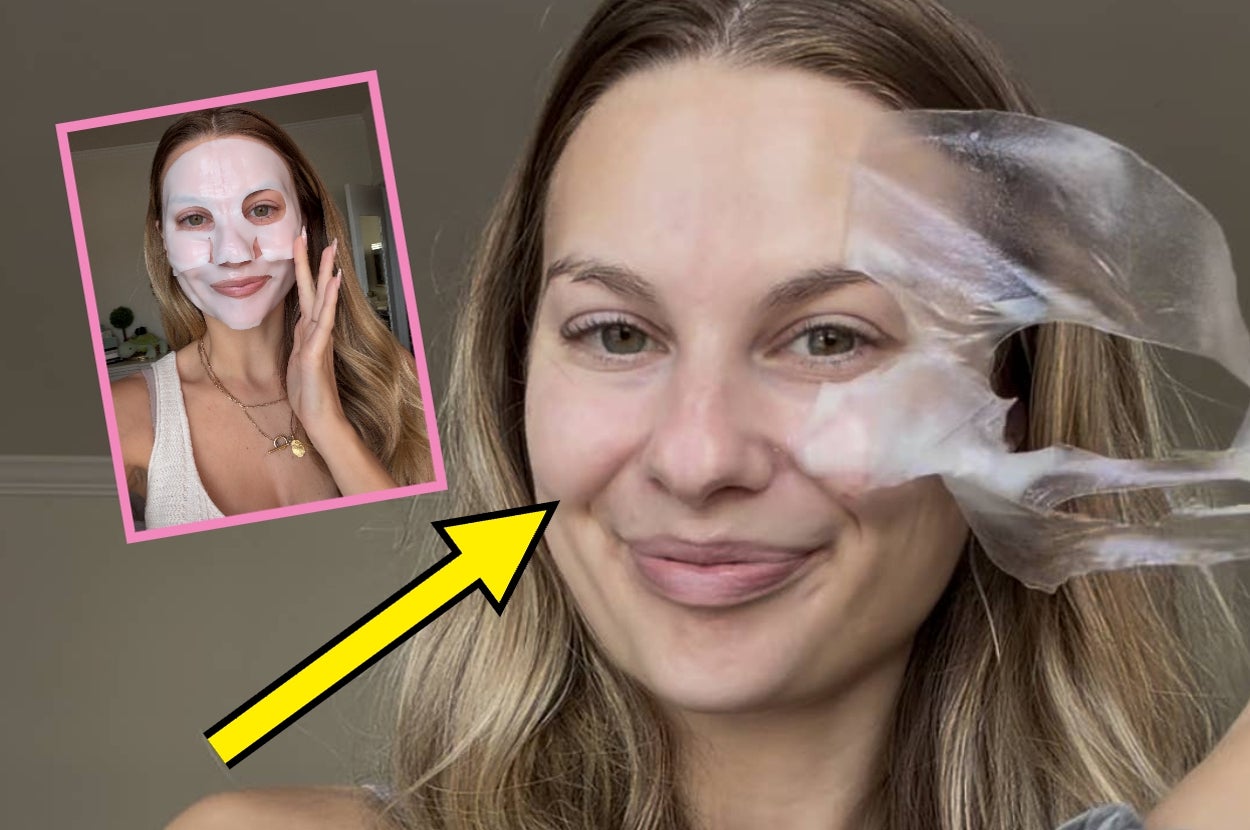
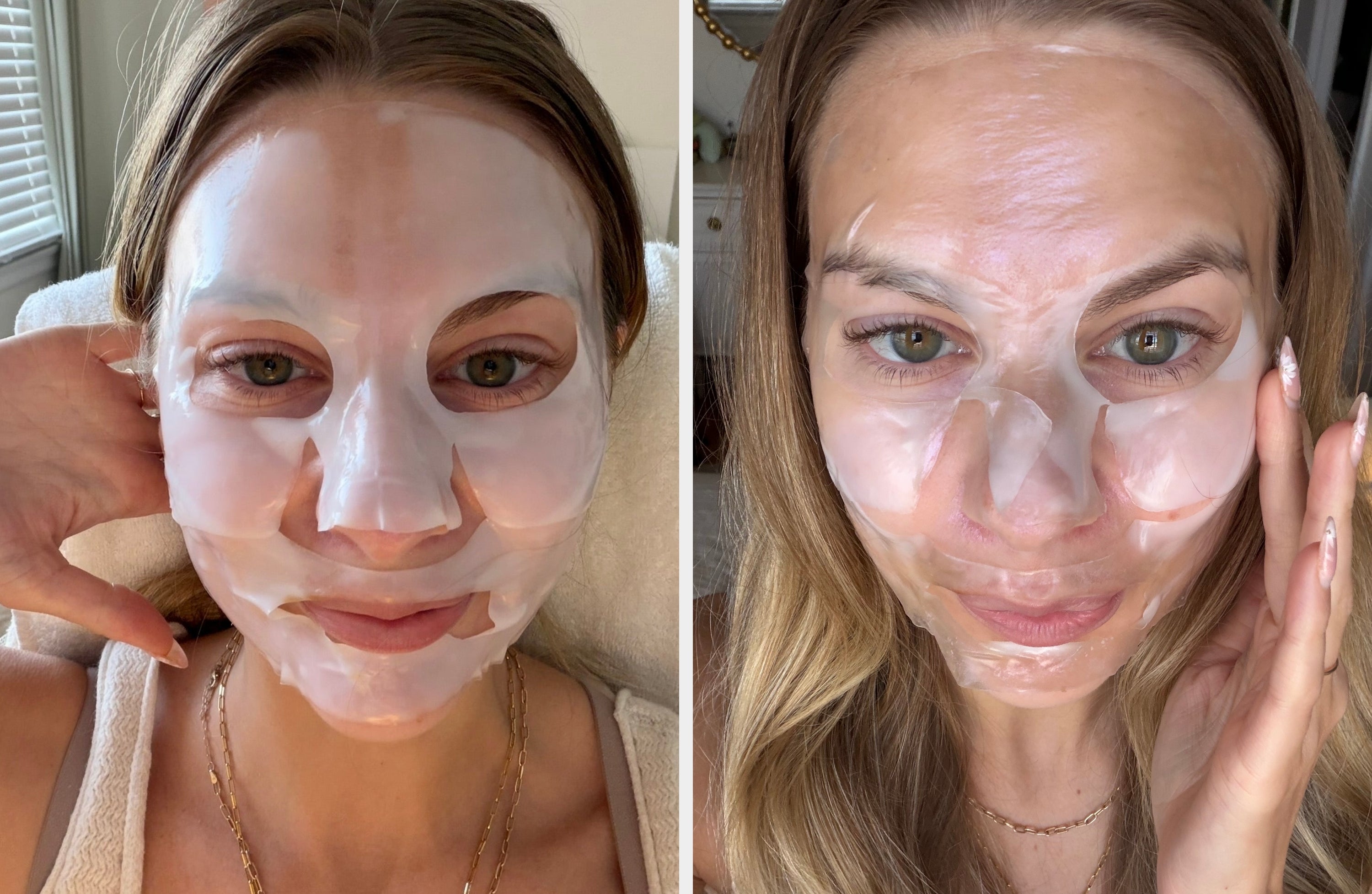
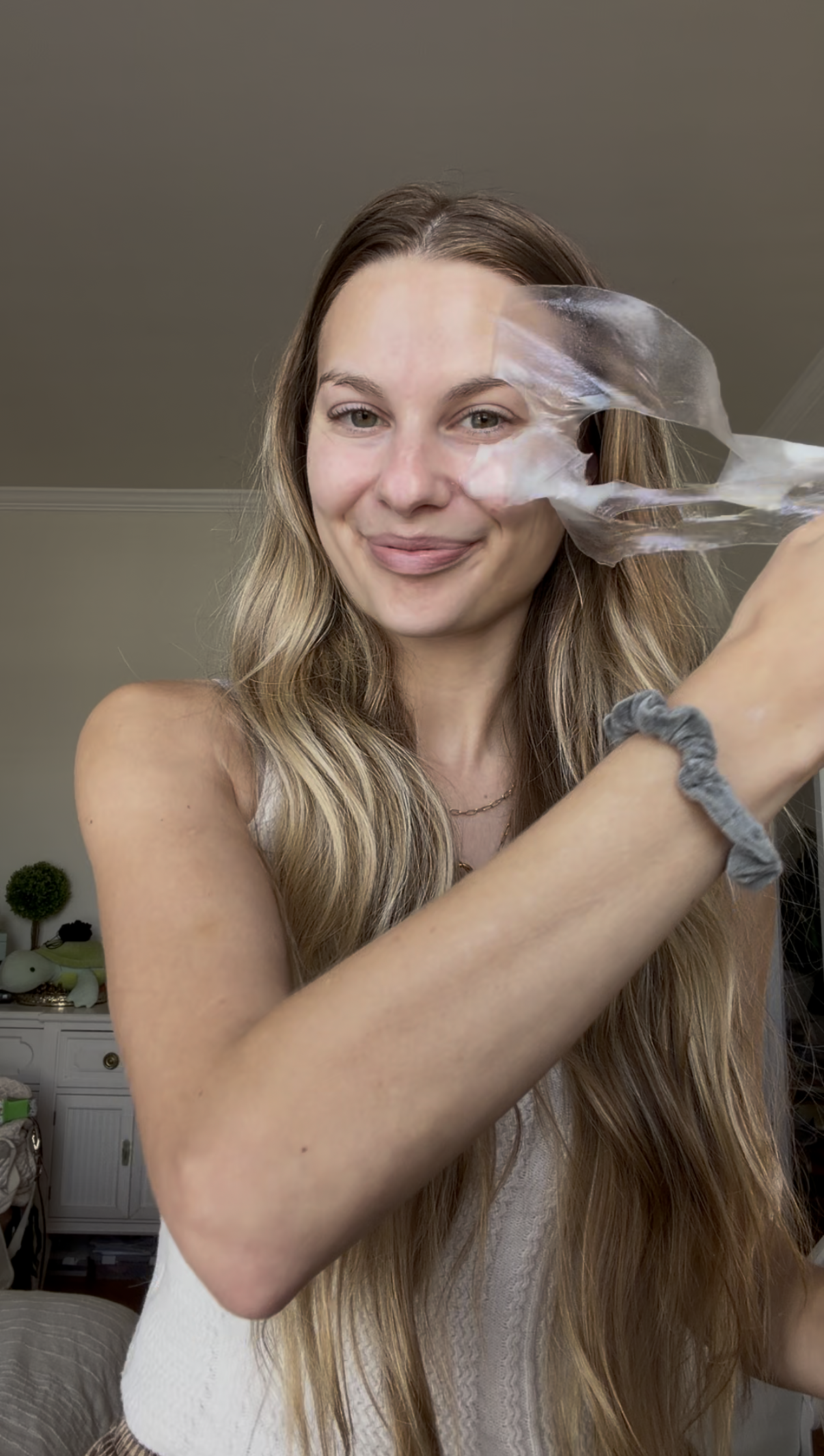
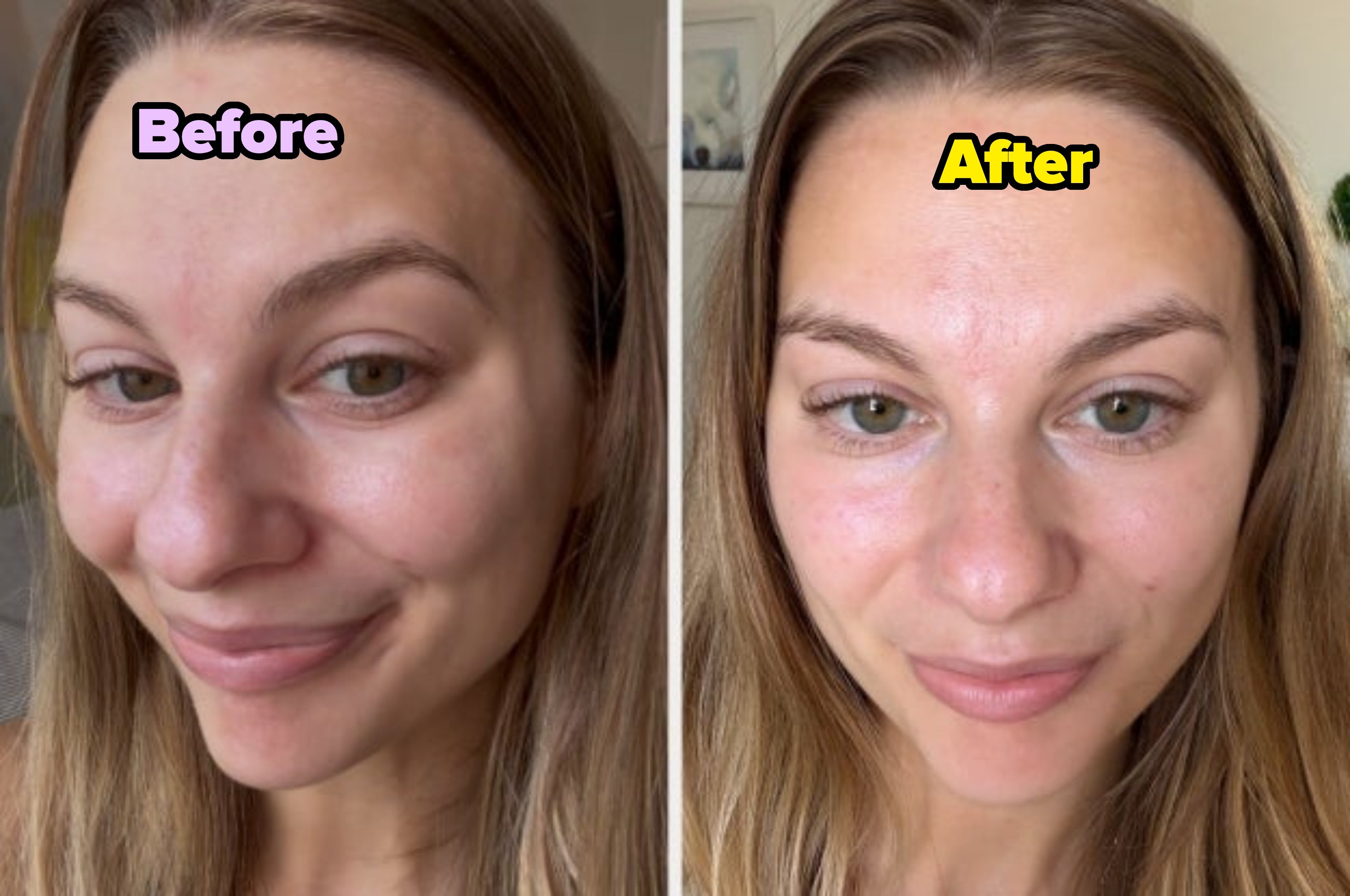
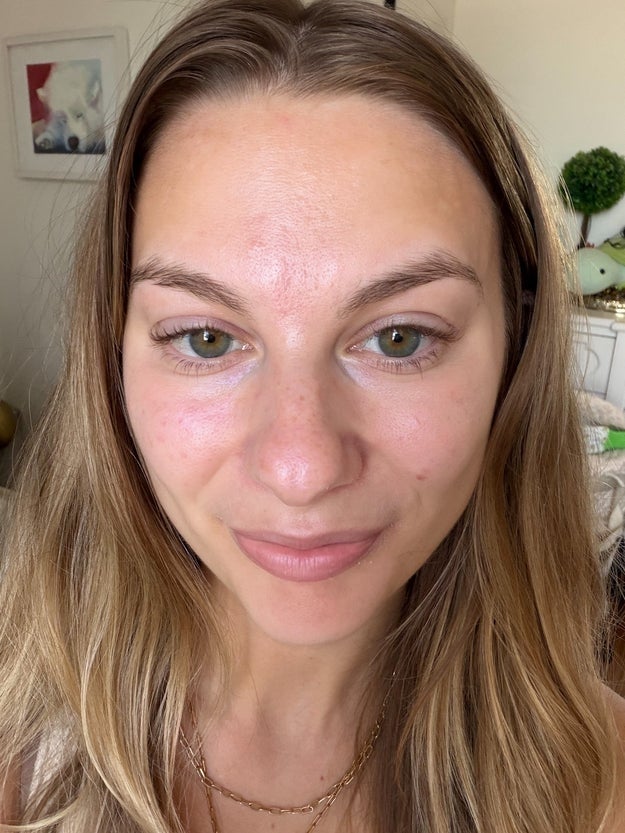
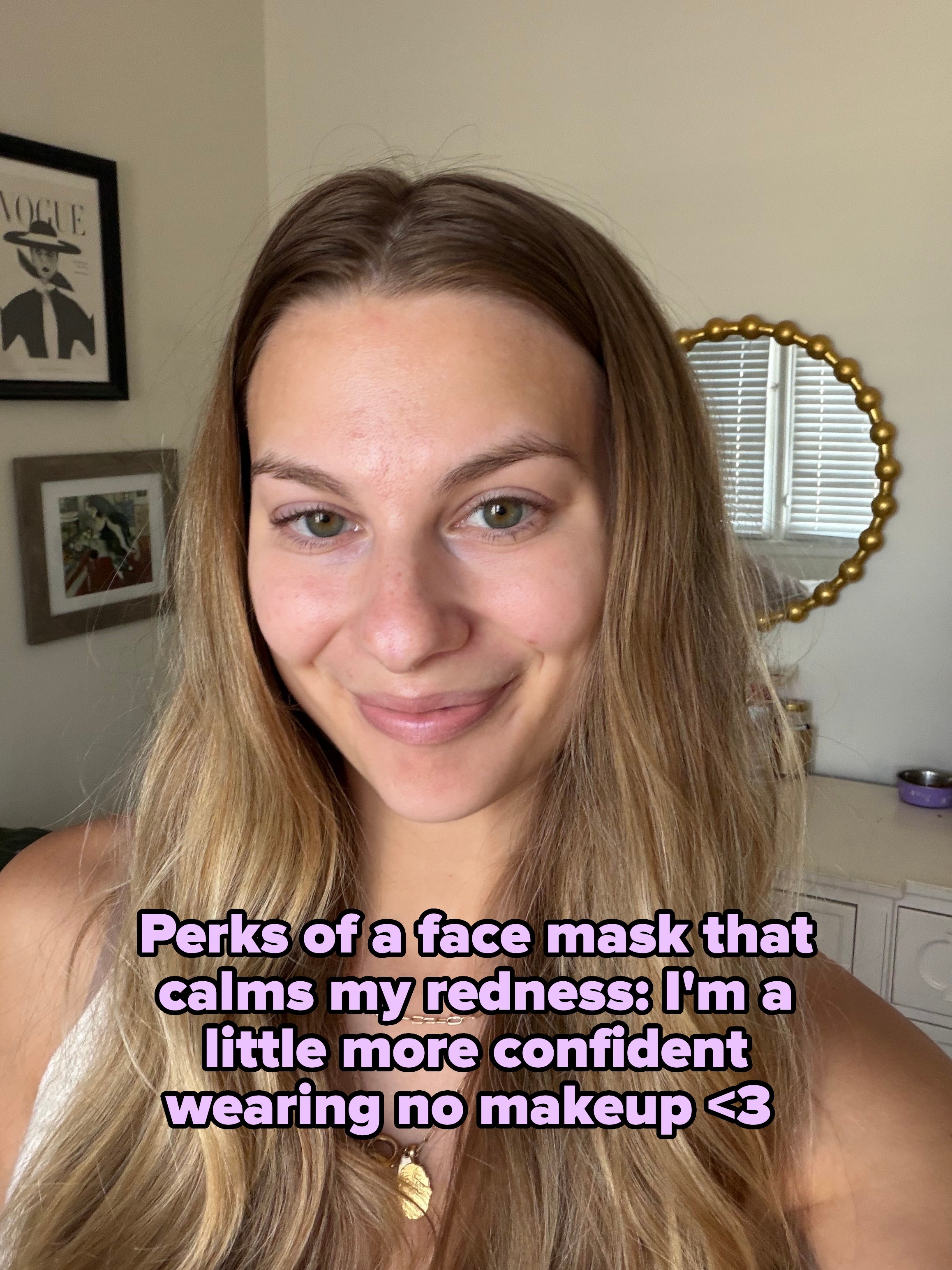
That tracks with my experience using topical collagen — my skin looks great afterward, but I wouldn't say the results last into the rest of the week. My fine lines, wrinkles, and redness always have a sneaky way of coming back to the surface.

But Dr. Shah notes that while smaller molecules may have better penetration than standard full-size collagen molecules, the evidence supporting this claim is still limited. "That said, lower molecular weight collagen may provide somewhat better hydration and surface-level cosmetic effects compared with standard collagen," she says. In other words, it's a promising innovation, but more research is still needed.

That said, smaller isn't automatically better. "There is some evidence that molecular weight matters, and smaller HA fragments can behave differently," she explains — but she's quick to add that this doesn't necessarily translate into more dramatic anti-aging results. And for sensitive skin types, she says it's worth noting that some very low-molecular-weight HA fragments may actually cause irritation, depending on the formulation.

She's careful to note, though, that while the science is "promising," the benefits are still not fully established. "Rather than being 'anti-aging' actives, these ingredients are probably best viewed as potentially soothing or barrier-supportive," she says. For me, as someone with sensitive, reactive skin, that's the biggest potential benefit I saw with Biodance's collagen mask.

• Those with allergies or sensitivities to fermented ingredients (galactomyces, bifida ferment, lactobacillus)

• People with active eczema, contact dermatitis, or broken skin

• Users with inflamed acne, picked pimples, or very congestion-prone skin

• Anyone with highly reactive or allergy-prone skin who hasn’t patch-tested first

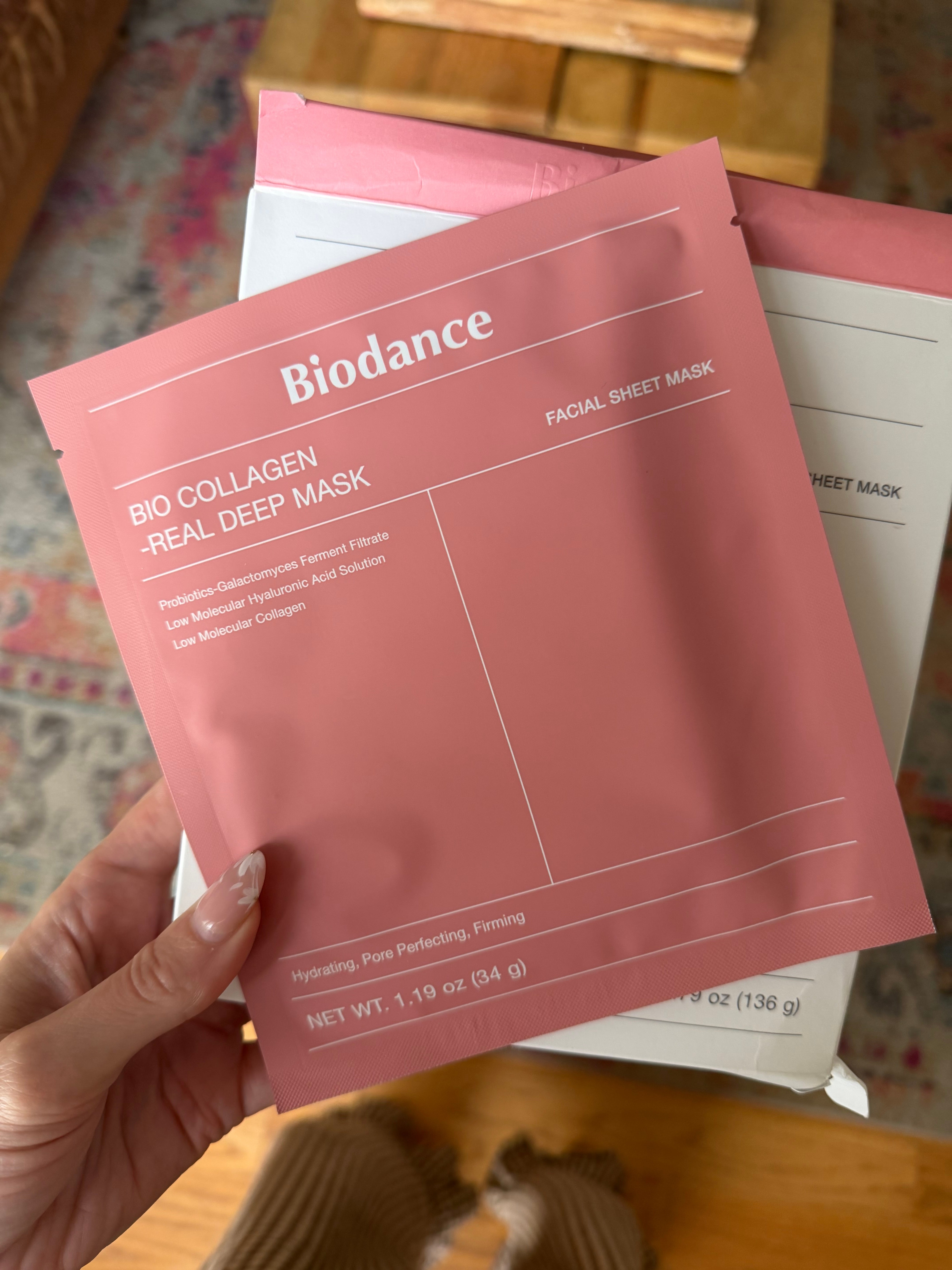
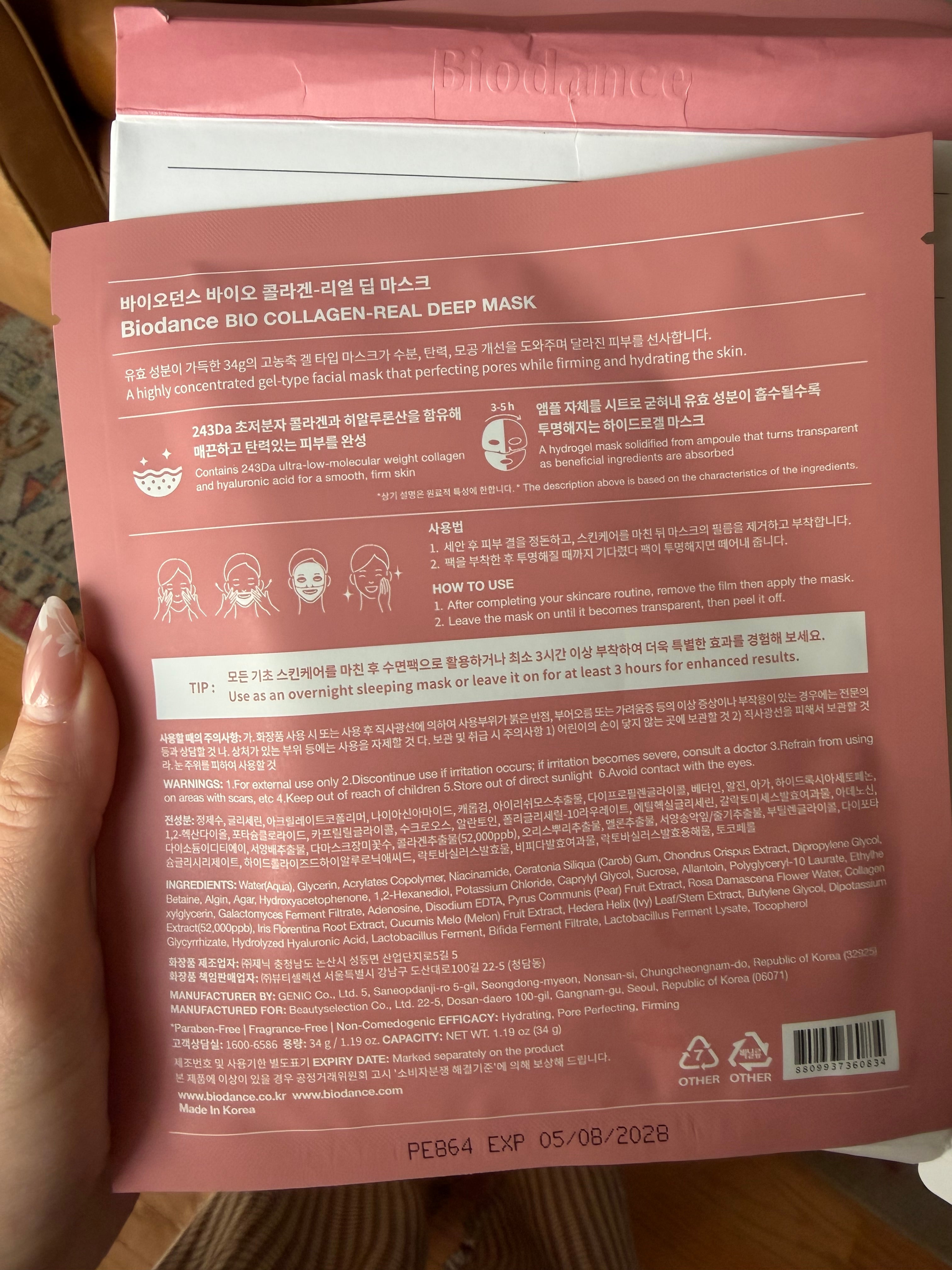
Dr. Shah also notes that ingredients are listed by concentration on the packaging, so if a highlighted ingredient appears near the bottom, the amount may actually be quite small, regardless of how prominently it features in the branding.

"Skincare is highly individual — a product that gives one person glowing, hydrated skin may irritate another person entirely. Consistency matters more than novelty. A simple, well-tolerated routine used regularly is usually more effective than frequently switching between highly marketed products."