yahoo Press
AI billionaires could drive African aid surge
Images
1 / 7
2 / 7

3 / 7

4 / 7
5 / 7

6 / 7

7 / 7
The most significant impact of record-breaking IPOs by Anthropic and OpenAI may be felt thousands of miles from Silicon Valley, in towns and cities across Africa — cementing a link that has been years in the making.

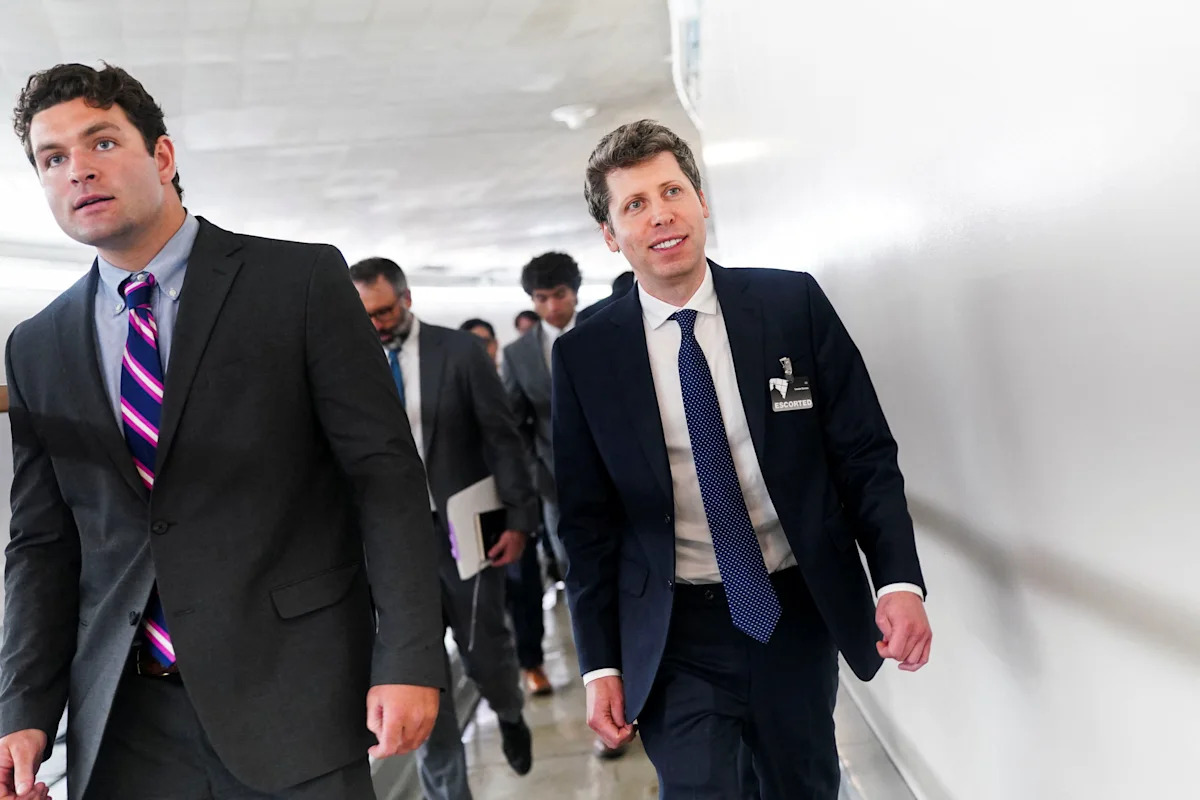
Anthropic's IPO looks set to value the AI company at around $2 trillion, and OpenAI is targeting a similarly mammoth figure, with Silicon Valley philanthropists among their early investors and likely beneficiaries. That could generate a pool of philanthropic wealth potentially worth up to $100 billion a year, Nan Ransohoff, an executive at the payments processor Stripe, wrote in a widely read essay. Effective altruism, the school of thought guiding many tech philanthropists, focuses on data-driven interventions that produce the greatest benefit per dollar — making Africa an obvious target.

Silicon Valley billionaires increasingly play an outsized role in African economic development. Just five years ago, Bill Gates was the only high-profile tech philanthropist backing development programs on the continent. But public health experts warn gains made by the Microsoft co-founder's charitable foundation — widening childhood immunization and HIV treatment, for example — have been threatened by decisions taken by another tech billionaire: Elon Musk. The SpaceX chief's shuttering of USAID slashed health programs across the continent.

DR Congo's Ebola outbreak has exposed the frailty of the country's public health services and the weakening of surveillance systems, due in large part to Western aid cuts, that led the virus to spread undetected for months. A study in The Lancet Global Health medical journal forecasts that the defunding of aid, if continued at present rates, will cause 9.4 million excess deaths by 2030.

An AI-driven development bonanza could help to fill the space. But it comes with risks: One, as Ransohoff points out, is that an overhaul of the philanthropic ecosystem would be needed to create the institutions and staff required to ensure funds are deployed well.

For African policymakers, the danger is that they again become dependent on overseas aid. Governments across the continent have worked hard in the wake of the Western cuts to recalibrate domestic spending to bolster health spending. Though tempting in the face of fiscal pressure, it is risky to rely on people guided by the mantra, "Move fast and break things."

DR Congo's President Félix Tshisekedi recently said the country failed to use $8.3 billion committed by global development partners for public projects due to administrative delays and poor management.