buzzfeed Press
"It Bothers Me So Much": 18 Gatekept Secrets About Hollywood That NO ONE Tells You About
Images
1 / 10
2 / 10

3 / 10
4 / 10
5 / 10

6 / 10
7 / 10
8 / 10
9 / 10
10 / 10
“We’ve all heard the stories...but the public has no idea.”

As a full-time writer at BuzzFeed Canada, I cover all things pop culture and food.

"90% is luck and 10% is being ready for the opportunity. You need both."

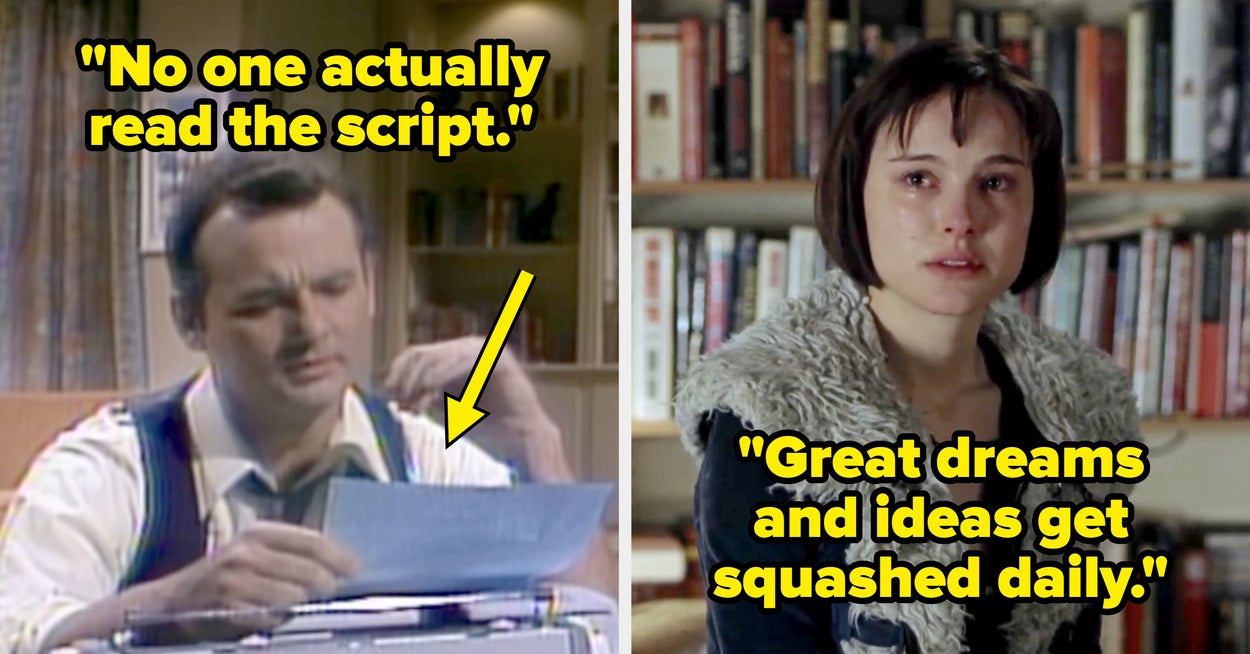
"I remember juicing on a movie; it was like the fourth or fifth day on it, and for the life of me, I thought it was some basic indie drama until I walked into a bathroom that was covered floor to ceiling in splattered blood. 'Oh, cool, it's a slasher film.'

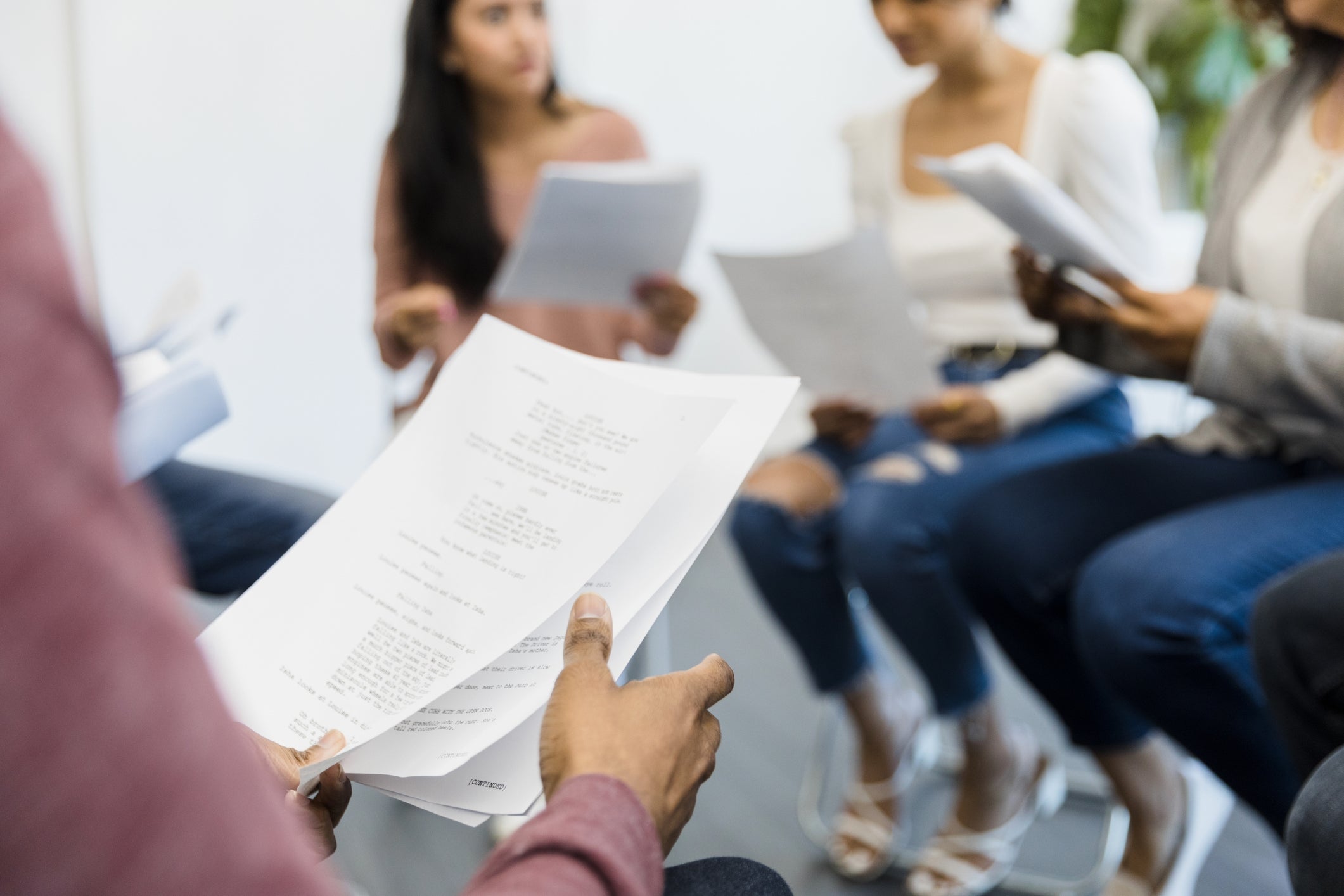
It was wild to me how many gaffers don't even read scripts."

"'I don't read the script, the script reads me' —Tropic Thunder."

"For real. Most people read the first 30 pages, if that. 💀💀💀"

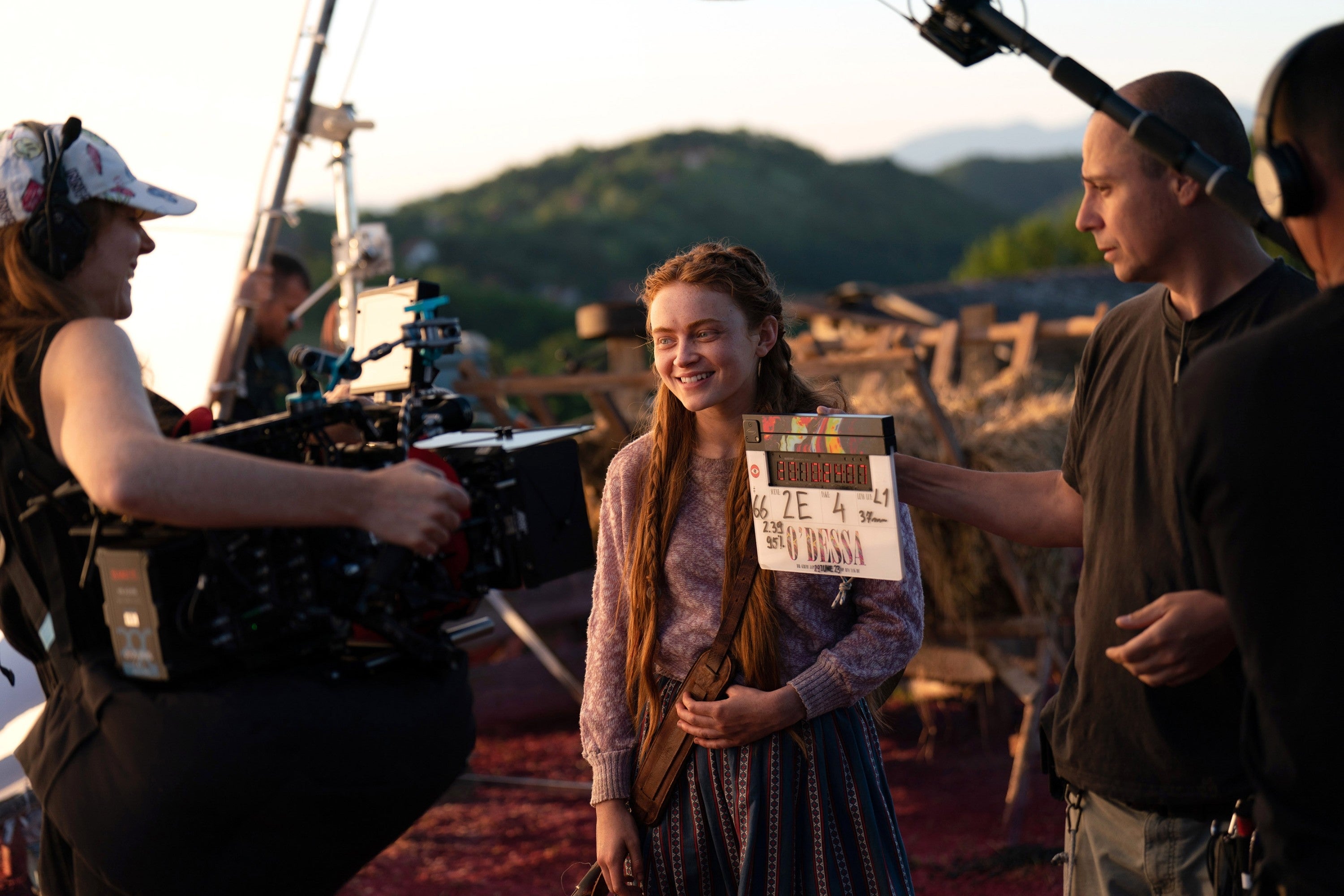
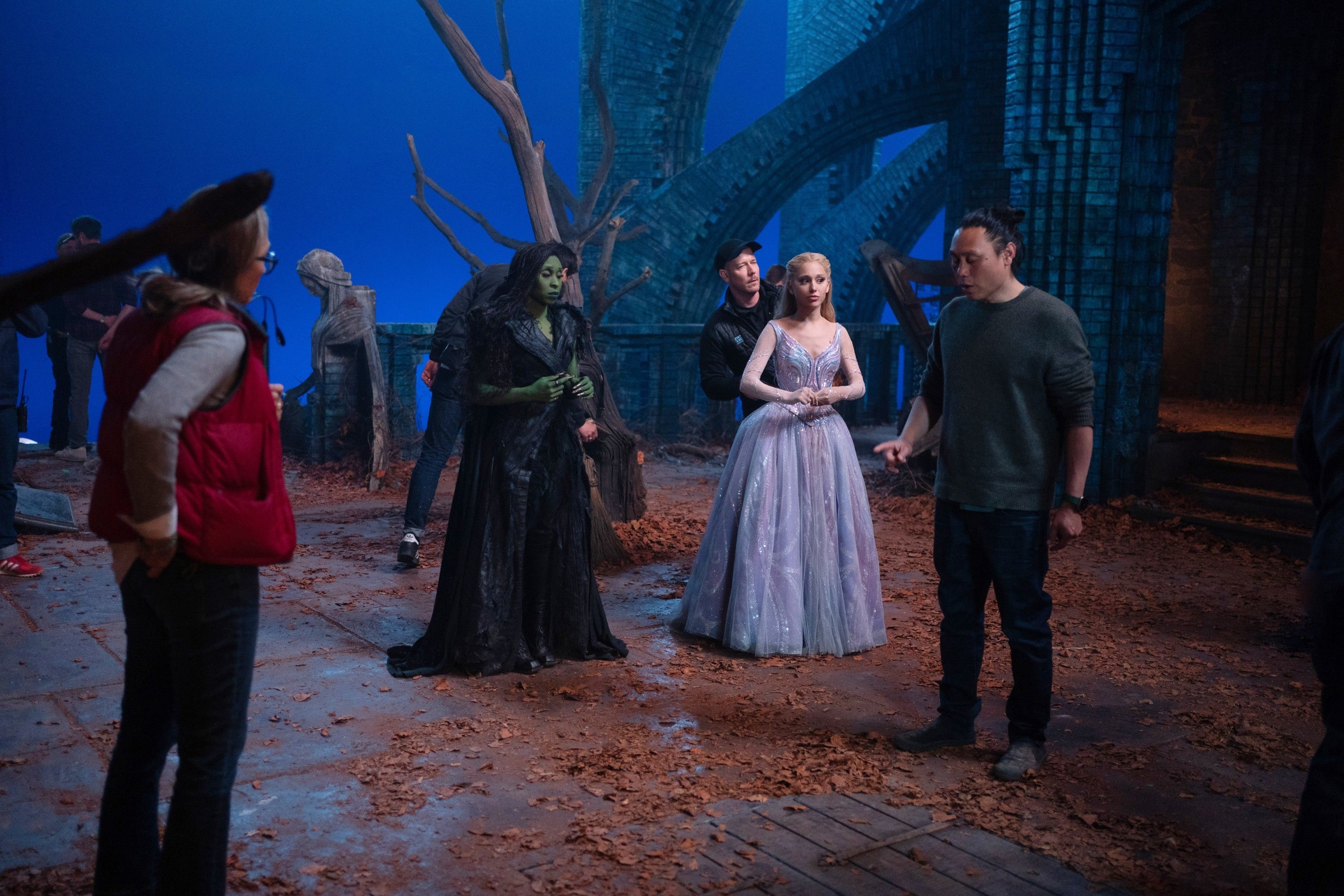
"A day on a large film set involves a ton of set-up; it's not that it's 'wasteful' in the creative process sense, but it feels wasteful in the practical sense.

You might have 5 hours of setting up at a location and getting your talent through hair/makeup/wardrobe, roll for an hour, break for lunch, roll for 3 more hours, then begin wrap.

That means you've got 4 hours of shooting, which involves a lot of blocking, troubleshooting, getting different angles, getting multiple takes for performance, and setting up different shots.

If you're shooting a simple conversation between two actors in one room, sitting at a table, you'll get a lot more of a scene in those 4 hours than if you're doing a stunt-filled climactic scene with gunfire, explosions, and fights.

This is why it took 25 days to film the Battle of the Bastards in Game of Thrones. The whole episode is 59 minutes, but a good chunk is spent on another storyline. So let's say approximately 50 minutes is spent on the battle; that's 2 minutes per day. Some of those shoot days were conversations between characters or the moments before the battle, and were likely filmed a lot faster. The actual battle with 70 horses, 600 extras, costumes, weapons, stunts, VFX, SFX, and more likely took most of those 25 days."

"Totally. As one of my early entertainment mentors told me, 20 nickels is more valuable than a dollar. Aka don't just be an editor. Know how to produce and direct. You'll be so much more valuable."

"You can have an incredible script with star actors and a great director attached, but the real gatekeepers are the agents and executive relationships making judgment calls on whether they want to connect you or make a decision to help greenlight it.

A lot rides on the personal taste of the few who don't have a developed taste."

"I get so annoyed when people tell tall tales on interview shows about how they got their start when I know who their relatives are.

"One of the better pieces of advice I've heard was 'build your own universe around you.' That's not to say that you are self-centered in this context, but that part of your job is in the building, finding your people who also like you and nurturing that community.

I'm pretty sure that in every job I've ever gotten, I've had some sort of inside track because of either my network or my reputation for doing good work for someone the hirer already knows.

'Ecosystem' is a great way to describe it — each of these micro-communities will have their go-to peeps for certain things. It's funny, as we grow older, a few of my friends have joked we need new blood in our ecosystem because we are no longer young enough to know good production assistants or generally dependable entry-level kiddos."

Note: Some responses have been edited for length and/or clarity.