buzzfeed Press
12 Things That '90s Nostalgia Today Totally Gets Wrong Or Completely Skips Over
Images
1 / 18
2 / 18

3 / 18
4 / 18
5 / 18
6 / 18
7 / 18
8 / 18
9 / 18
10 / 18
11 / 18
12 / 18
13 / 18
14 / 18
15 / 18
16 / 18
17 / 18
18 / 18
The decade was iconic. But some things from it have not aged well.

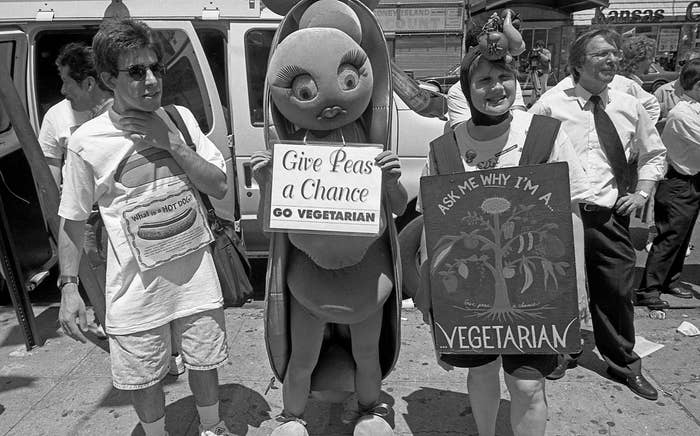
Outside of a few health food stores, plant-based eating was rare. If you were a vegetarian, you probably had to explain it at every birthday party and probably just had a French fries while out to dinner. In fact, vegetarianism itself was still seen as unusual. It had pockets of popularity thanks to counterculture movements in the '60s and '70s, animal rights activism in the '80s, and a few high-profile celebrities who talked about it. If you ever watch the episode of The Simpsons where Lisa becomes a vegetarian, you'll see a great example of how people at the time viewed vegetarianism with skepticism.

Being vegan was even more complicated. The idea of skipping meat, dairy, eggs, and anything animal-derived felt extreme to a lot of people at the time. There were no dedicated menus, no oat milk substitutions, no Beyond or Impossible burgers to grill. While mainstream grocery stores didn't carry much either. Tofu might be tucked away in the produce section. Soy milk existed, but the options were limited and often only available at specialty markets. Almond milk, coconut yogurt, plant-based cheese? Those were still years away from becoming standard.

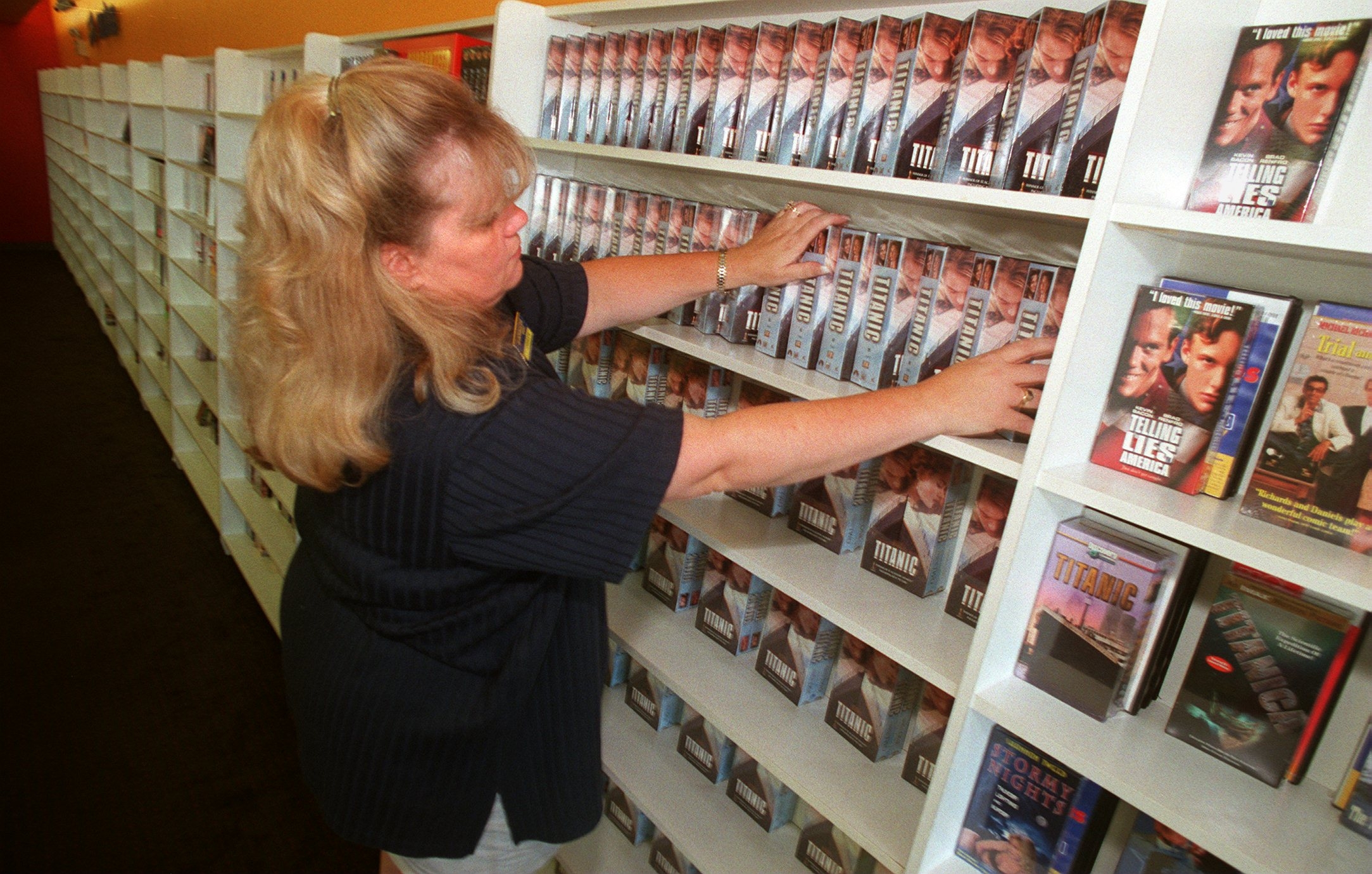
Movies didn't hit home video anywhere near as quickly as they do today. After a film left theaters, you often had to wait months, sometimes over a year, before you could rent it on VHS or buy it outright. For example, The Lion King, which is the best-selling video ever, was released in theaters in June of 1994, but didn't become available on home video until March of 1995.

The reason is that studios carefully timed these releases to maximize box office profits and keep theaters as the primary way people saw new films. Fans marked calendars and planned trips to theaters just to catch a movie before it disappeared. This delay also added a sense of anticipation. Additionally, bigger movies weren't immediately available to purchase at an affordable price once they hit home video, as they had agreements with video rental companies that allowed a "rental window" before they were sold cheaply. That didn't start to change until the late '90s, when DVDs hit the market, and studios realized they could make big profits by releasing movies on home video much sooner, as people were buying more movies to own.

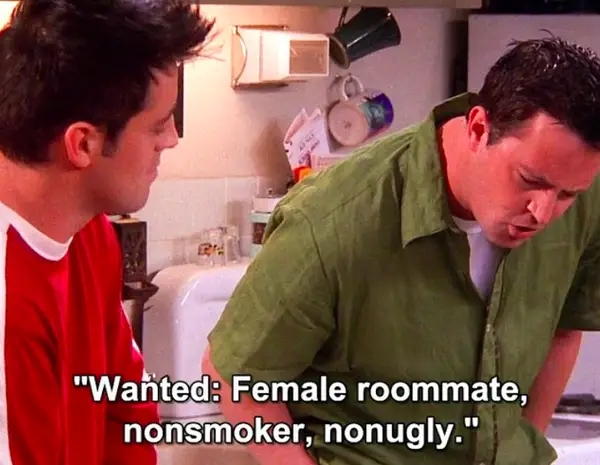
Yes, things aren't perfect today, either, but in the '90s, TV shows and movies leaned on the same female stereotypes that people would question now: the nagging wife, the overly emotional girlfriend, the uptight career woman, the "dumb blonde." Romantic comedies treated finding a husband as a woman's main life goal. Sitcom jokes often revolved around women being jealous, dramatic, or impossible to please. Even when female characters were leads, their storylines were often tied to relationships, appearance, or whether they were "likable" enough.

Tabloids openly mocked actresses and pop stars for gaining weight, aging, or going through breakups. Ads or commercials showed women stressing over stains, dinner, and keeping the house spotless, even if they were also portrayed as working full-time.

TV shows, movies, and commercials often used gay characters — or just the idea of being gay — as a punchline. Sitcoms leaned on stereotypes: the flamboyant best friend, the effeminate coworker or antagonist, often just to get laughs.

Jokes about LGBTQ+ people were common in schools, workplaces, and sports. "That's so gay" became common slang among teens and young adults, often used casually to describe anything undesirable, without people considering the harm it caused. Public discussions of sexual orientation were happening, but were still pretty limited, and many LGBTQ+ people stayed closeted to avoid ridicule or discrimination.

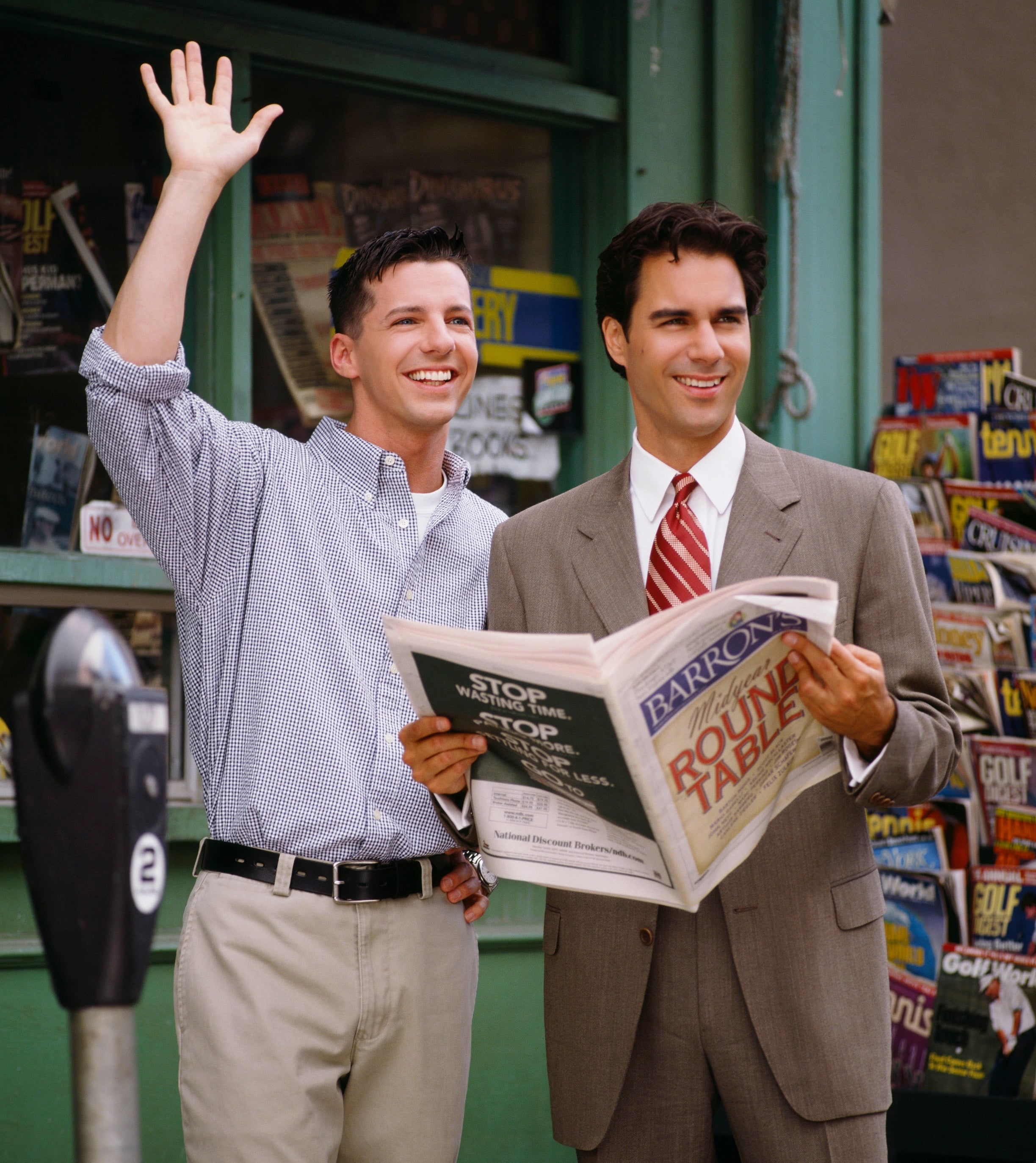
While the '90s were certainly a better time for LGBTQ+ people, it was far from great. The decade did have a transitional moment, when shows like Ellen and later Will & Grace started to introduce LGBTQ+ characters and storylines into mainstream media, challenging stereotypes, and helping humanize queer people.

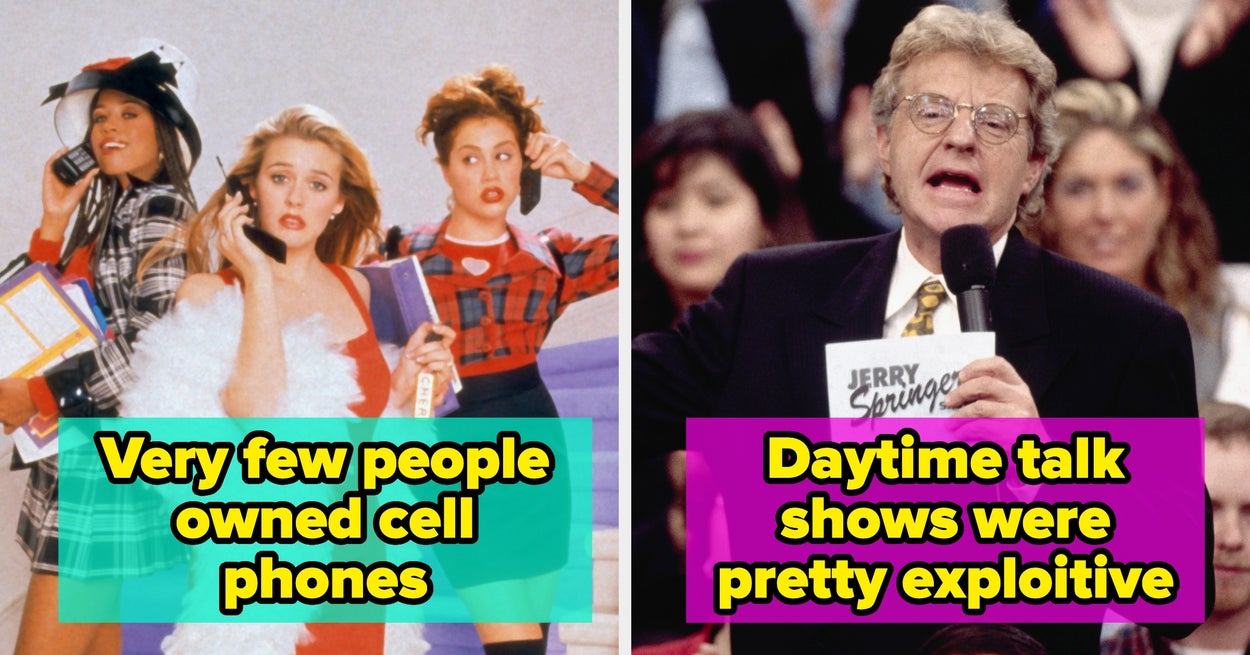
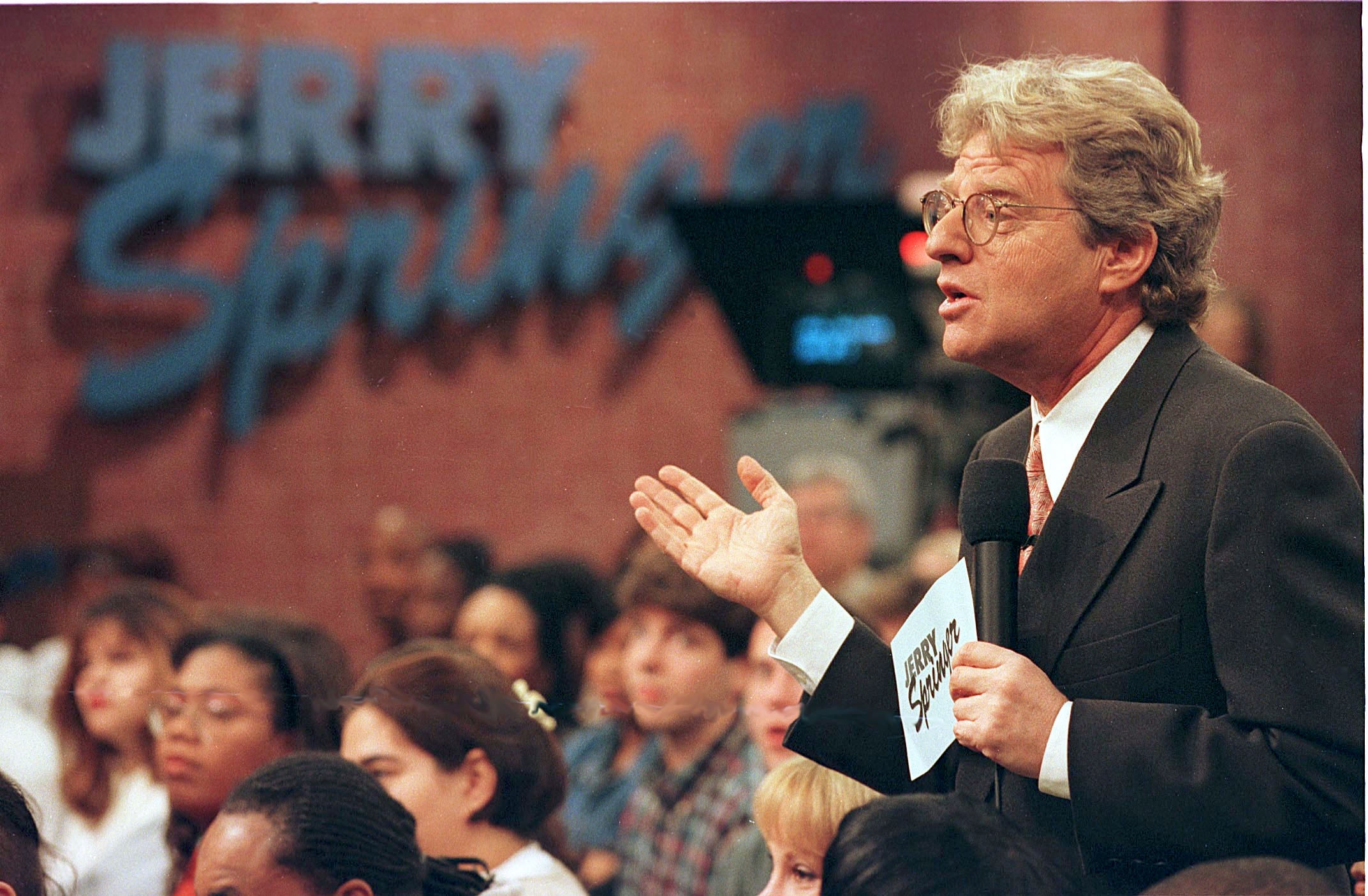
In the '90s, daytime talk shows, with the exception of Oprah, were often more about shock value than meaningful conversation. Shows such as The Jerry Springer Show and Maury thrived on sensational and often humiliating content. Guests were encouraged to air personal drama in public: paternity disputes, cheating scandals, family fights, and extreme lifestyle choices. Producers often amplified conflicts, coaching guests to lash out or reveal secrets for maximum drama.

This wasn't entirely new, as talk shows had for decades included personal stories and audience participation, but unlike earlier shows that focused on advice, self-improvement, or celebrity interviews, these programs made spectacle the main attraction.

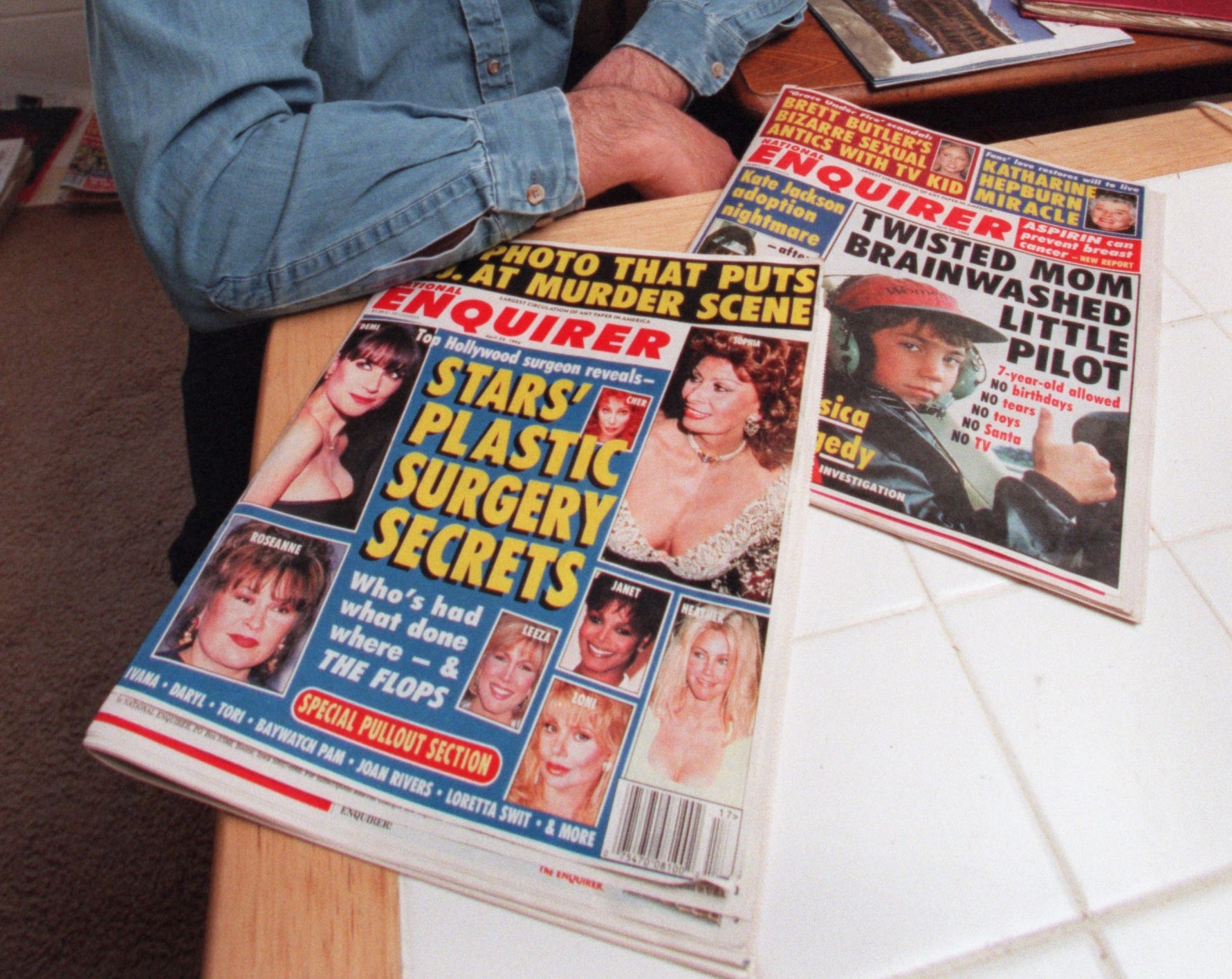
Much like sexism, things aren't perfect today either, but they are arguably a lot better than in the '90s. Back then, tabloids truly thrived on scandal, obsessively covering breakups, weight fluctuations, personal struggles, and sometimes fully making up stories. As I mentioned previously, headlines regularly commented on female celebs' bodies, while inside, they dissected their style choices, dating life, and aging in ways that would be considered invasive and offensive today.

Late-night talk shows and comedy monologues often joined in, turning jokes about mental health, eating habits, or personal crises into punchlines. Even SNL once made a joke about then-12-year-old Chelsea Clinton's looks. The reality was that public fascination with stars' private lives combined with minimal accountability for the press created an environment where cruelty was normalized and even celebrated as part of entertainment.

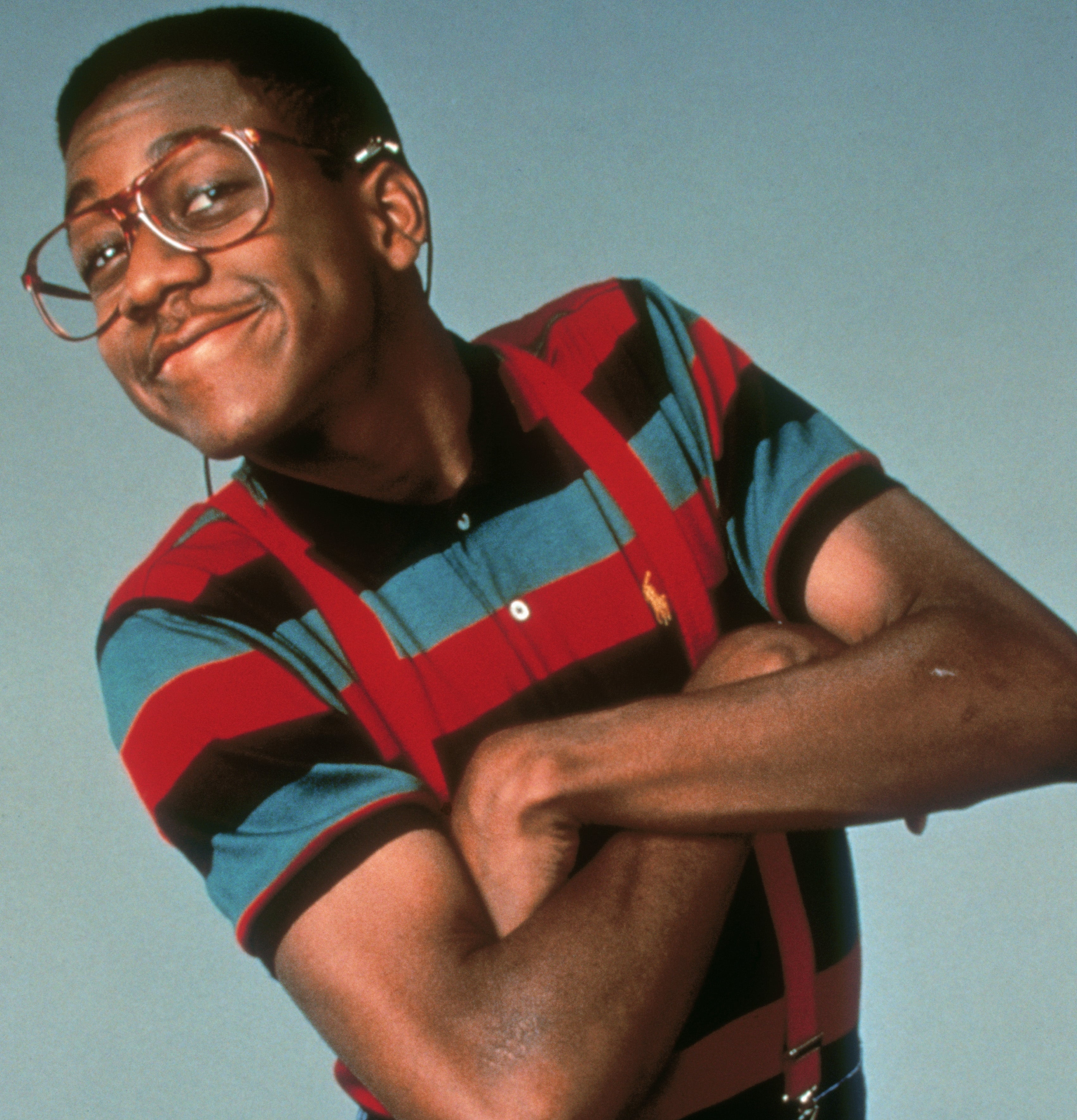
Being too into things like comic books, sci-fi, fantasy novels, computers, toy collecting, and tabletop games wasn't considered cool. Those interests existed and had loyal fans, but they lived on the margins of mainstream culture.

Yes, comic book shops, LAN parties, and conventions were real communities, but they weren't widely celebrated. The idea of going to San Diego Comic-Con would be too niche, and something only for "Trekies." Likewise, reading fantasy novels in public or obsessing over a sci-fi franchise could get you teased for being immature.

It wasn't until the 2000s and 2010s, when superhero movies dominated the box office and tech became central to daily life, that "geek culture" shifted from something mocked to something celebrated.

Obviously, clips didn't spread online. Instead, it was more limited as they spread person to person, often on VHS tapes or TV shows. Examples of the type of things that went viral were news and TV show bloopers, home videos of pets or kids doing ridiculous things, or local TV segments that caught people off guard. But it also did include things like movies, like the South Park short film, The Spirit of Christmas, which people shared VHS copies of.

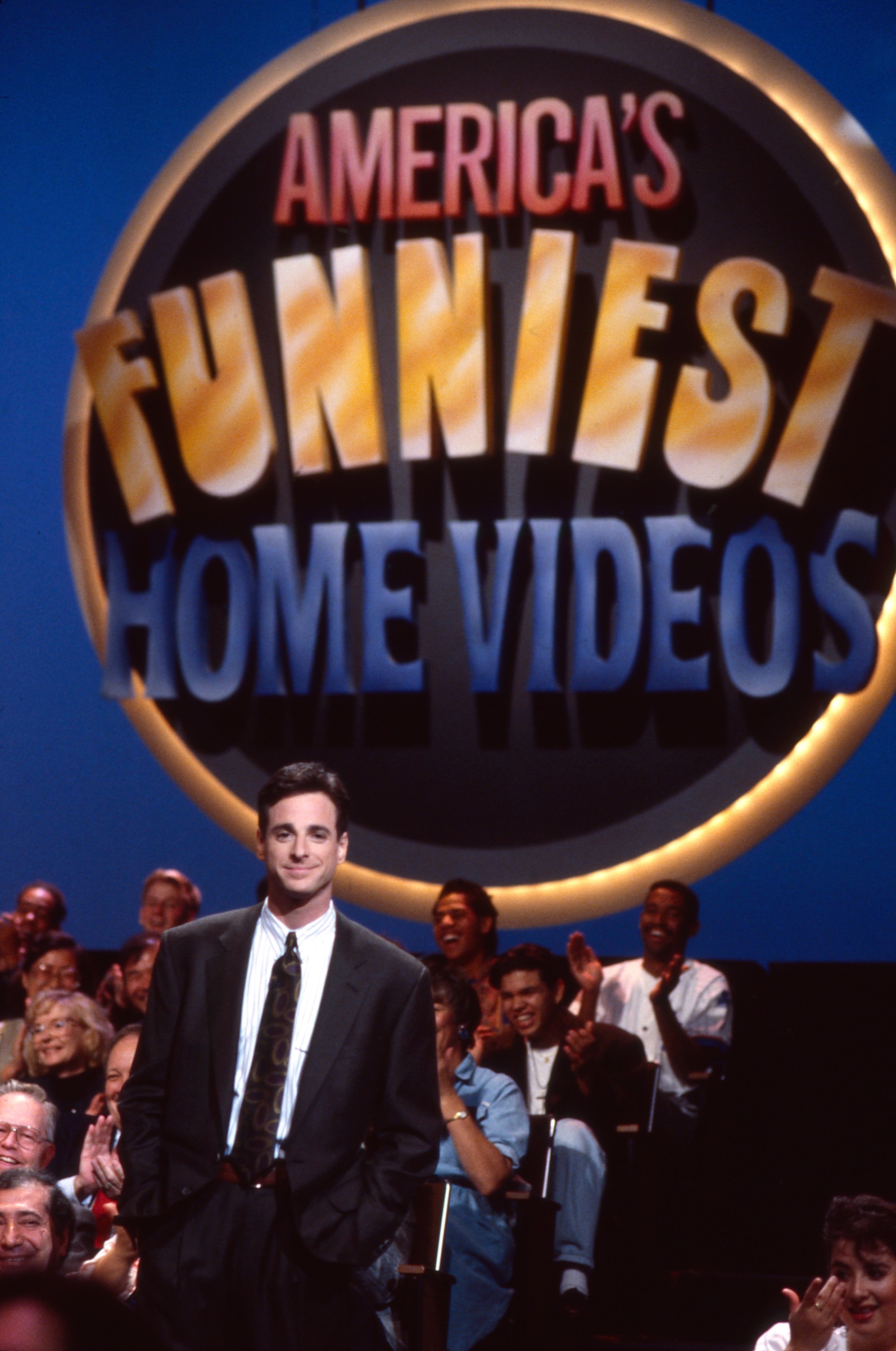
Shows like America's Funniest Home Videos turned this concept into a mainstream phenomenon, encouraging viewers to send in their own tapes to be featured on national television to potentially win a cash prize.

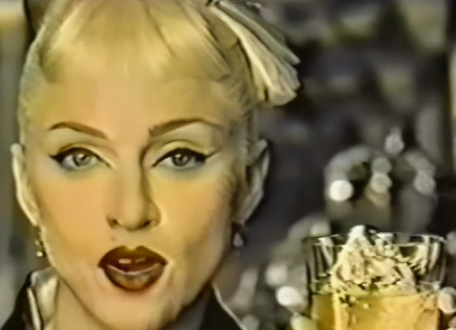
Back then, A-list celebrities carefully protected their image, and doing a TV ad was often seen as "selling out." Big Hollywood names were meant to appear on the big screen, not hawk toothpaste, soda, or fast food chains. Well, with one exception, they would do them in Japan, because there would be no way people could see them in the US.

The rules around celebrity endorsements were stricter, too. Studios and agents worried that commercials could cheapen a star's brand or distract from their films, and that it would cause a celeb to not be taken seriously. Endorsements existed, of course, but they were usually limited to luxury products, perfumes, or exclusive magazine spreads — not national TV campaigns for common products. It wasn't until the late '90s and early 2000s, with the rise of global advertising campaigns and brands seeking high exposure, that that line began to blur.

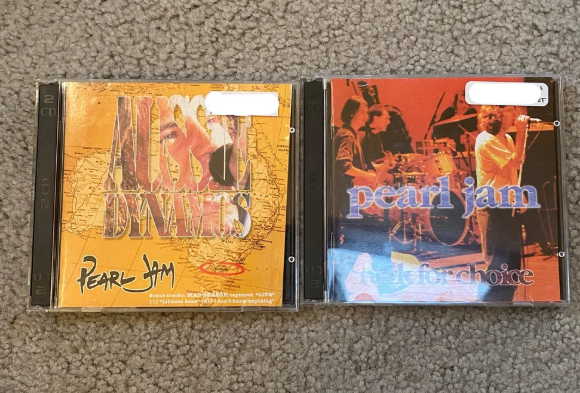
This was often the only way fans could get their hands on live recordings. Before digital streaming, music lovers relied on cassette tapes and CDs to share recordings of concerts, radio broadcasts, or rare studio sessions. Fans would trade tapes or sell (and they were usually very expensive) through mail-order networks, online forums, at shows, or even in record stores, creating an underground culture of collectible performances.

Hardcore fans cherished unique versions of songs, improvisations, or collaborations that would never appear on official albums. Bands like the Grateful Dead, Phish, and Pearl Jam actively encouraged live-tape trading, recognizing it as a way to engage with their fans. Though some bands disliked it entirely, and it wasn't uncommon for security to look for tape recorders before shows to make sure there was no tapping.

Also, without things like YouTube or official live releases on demand, bootlegs offered a way to relive concerts. Of course, today, almost every concert is entirely filmed by the audience, and it isn't seen as weird or contraband-y.

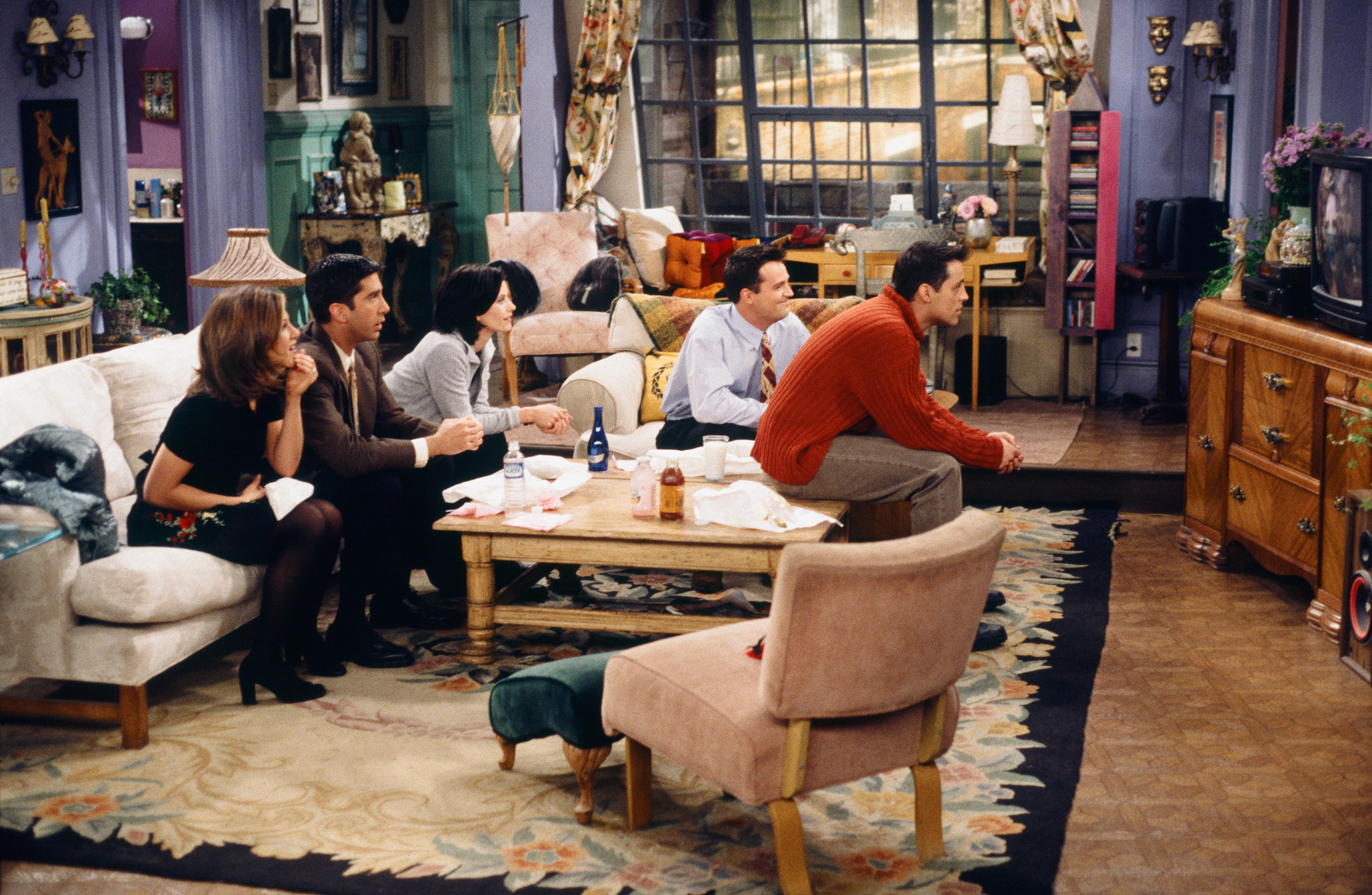
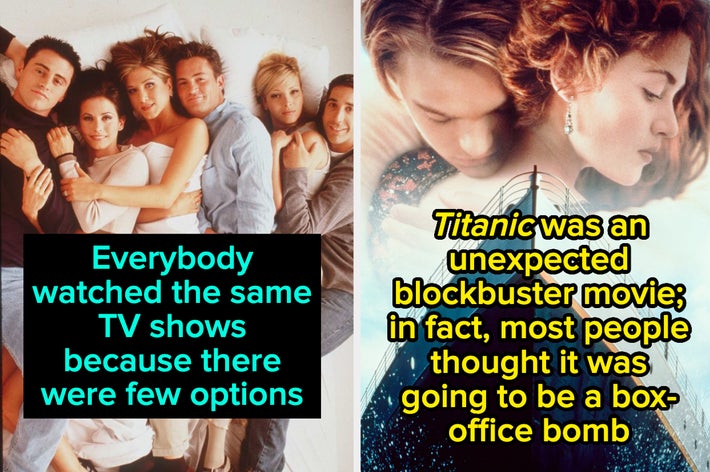
If you loved a TV show, you planned your week around it. There was no streaming, no DVRs (TiVo was introduced in 1999), and definitely no watching on your phone later. If a show aired at 8 p.m. on Thursday, you were on the couch at 7:59.

The upside was that it made television feel communal. You went to school or work the next day, knowing everyone had seen the same cliffhanger or big funny moment, and you could talk about it. The downside was simple: if you weren't home, you were out of luck and had to wait for a rerun months later or hope a friend taped it on VHS.

VCRs helped, but not everyone could figure out how to set the timer on them. Additionally, appointment TV was so common that it was a normal and valid excuse for people not to want to make plans because of a TV show.

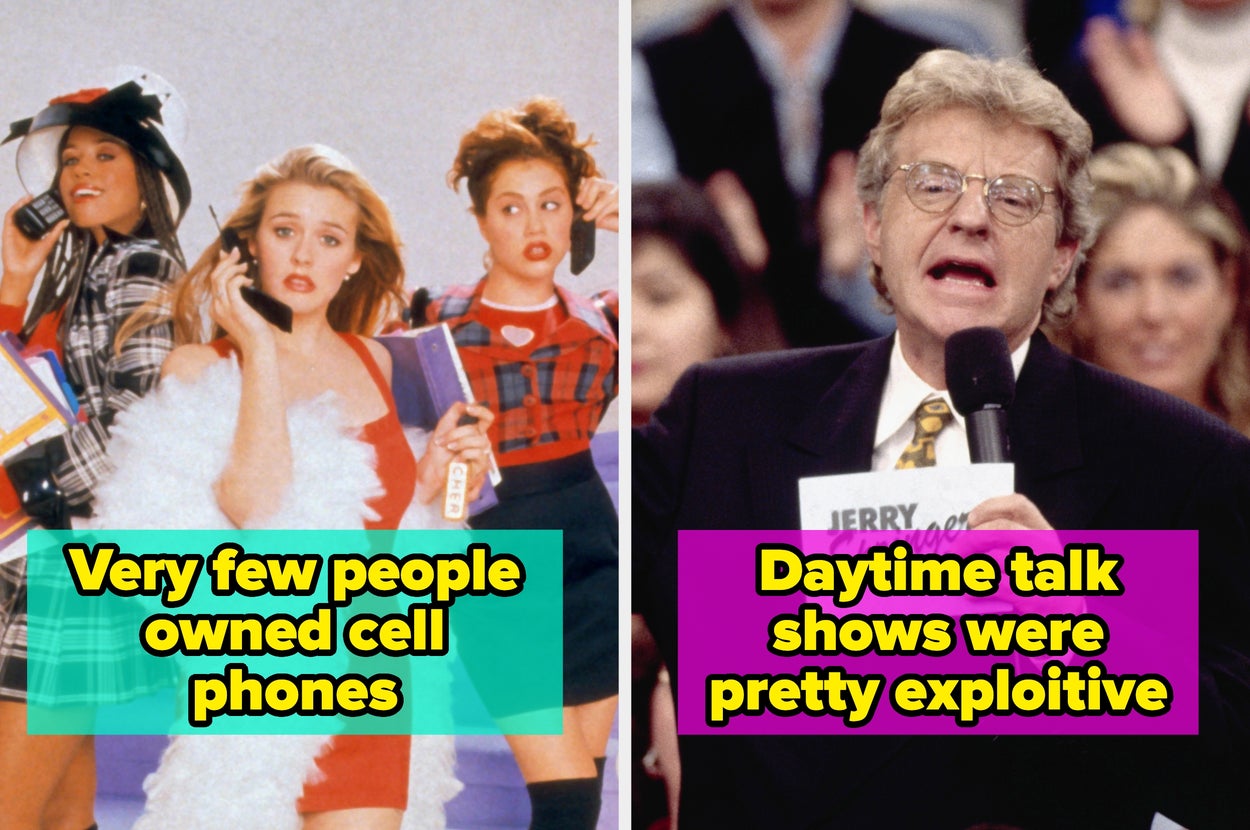
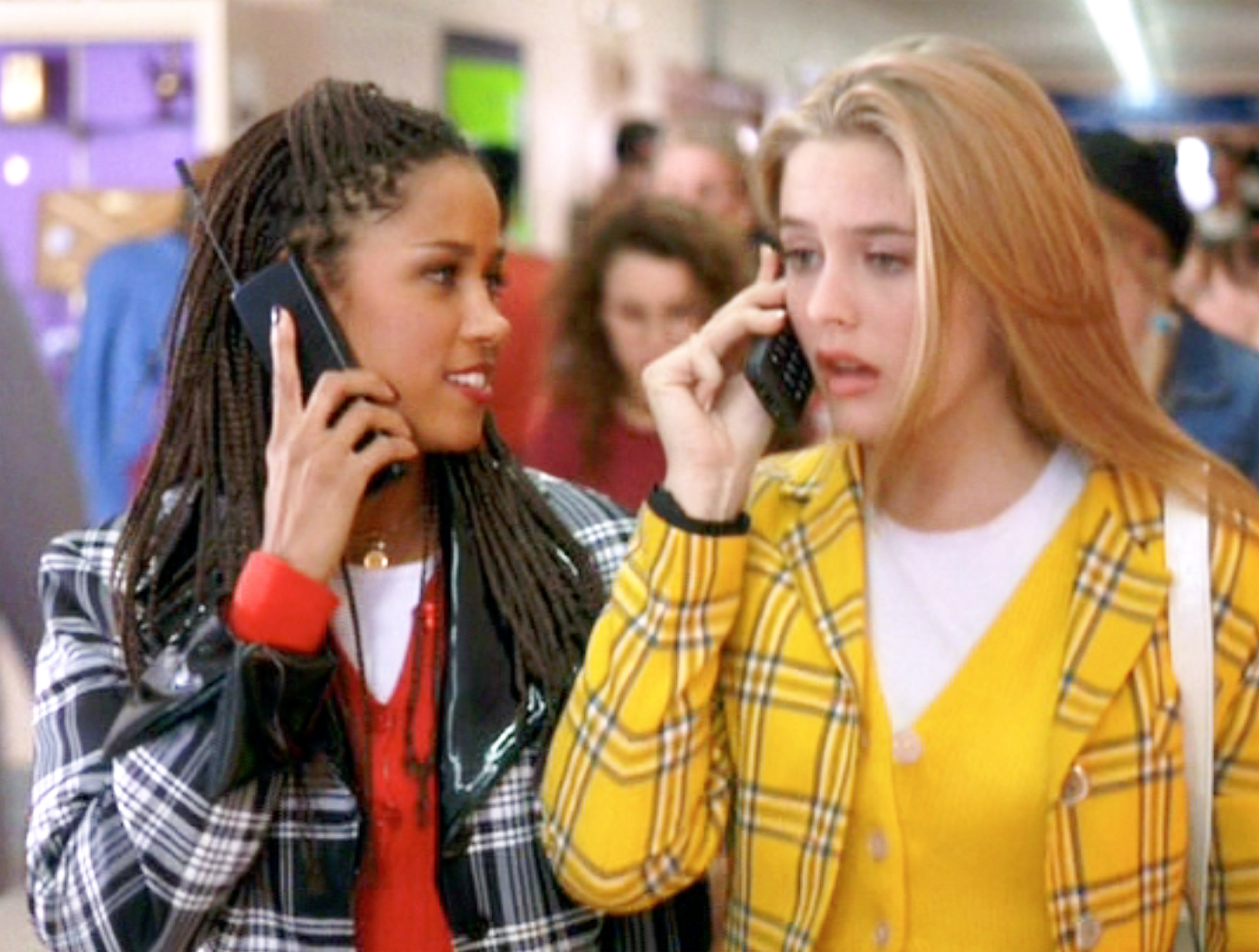
Contrary to what TV shows and movies portrayed, in the early and mid-'90s, very few people owned cell phones. They existed, but they weren't everyday items. Most were bulky, expensive, and used mainly by business professionals or by people well off enough to afford them as a luxury. Plans came with strict minute limits, service could be spotty, and calls could cost a lot.

Cell phones started becoming more affordable in the late '90s as smaller flip phones hit the market and carriers expanded coverage. But even then, plenty of households still didn't have one. Owning a cell phone wasn't the default. In fact, in 2000, only 53% of US adults owned one. There are various reasons it took a while for most people to get one. One was that, even though they had come down in price, plans were still expensive with strict minute limits. Another was that pagers were inexpensive, and many of them offered voicemail. And another reason, that I think likely might have been a bigger reason, was that people were used to not having a phone on them at all times, and the idea of being available at any moment was just not how people operated.